Khaberni - U.S. Treasury Secretary Scott Bisent said today that the government has "abundant funds" to fund the war with Iran, but it is requesting additional funding from Congress to ensure adequate military supplies in the future.
Bisent ruled out in an interview with (NBC News) any pressure to approve tax increases to fund the war.
The U.S. military's request for an additional $200 billion for the war with Iran faces strong opposition in Congress, with Democrats and even some Republicans questioning the necessity of this step after last year's large defense appropriations were approved.
Bisent defended the funding request without confirming the value of the amount.
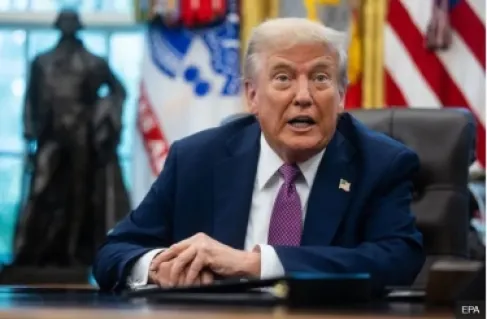
U.S. President Donald Trump has not yet sent a request to the Senate and the House of Representatives to approve this amount, while his administration clarified that the figure might change.
Bisent said: "We have abundant funds to fund this war... This is additional funding. President Trump has worked to strengthen the military, as he did in his first term, and as he is now doing in his second term, and he wants to ensure that the military is well supplied with supplies in the coming period".
Defense Secretary Pete Hegseth said last week that additional funds are necessary "to ensure sufficient funding for what has been accomplished, and for what we may need to do in the future".
The minister refrained from answering a question about the possibility of approving tax increases, describing it as a "ridiculous" question, confirming that this matter "is not up for discussion at all".
Early indications suggest that this war will be the most costly for the United States since the long conflicts in Iraq and Afghanistan. Officials told legislators that the first six days of the war with Iran cost more than $11 billion.
Congress has already approved record funding for the military since Trump began his second term in January 2025. Last month, Trump signed the defense appropriations bill for fiscal year 2026, which amounted to about $840 billion.
Last summer, despite strong opposition from Democrats, the Republican-led Congress passed a comprehensive bill to cut taxes and spending, which included $156 billion for defense.
Bisent also defended recent moves by the Trump administration to lift sanctions on Iranian and Russian oil. He explained that this would allow other countries besides China, such as Japan and South Korea, to purchase oil, preventing the price from rising to $150 per barrel and limiting the total revenues that Iran and Russia could obtain.