Khaberni - The Israeli Ministry of Finance is considering a new proposal to reduce the fuel tax by at least half a shekel per liter, in order to prevent the price of 95 octane gasoline from rising to more than 8 shekels per liter starting next week.
At the same time, the Tax Authority is considering an urgent request from industrialists and exporters to allow them to pay taxes in dollars instead of shekels.
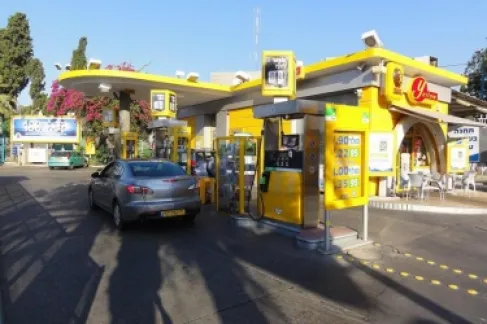
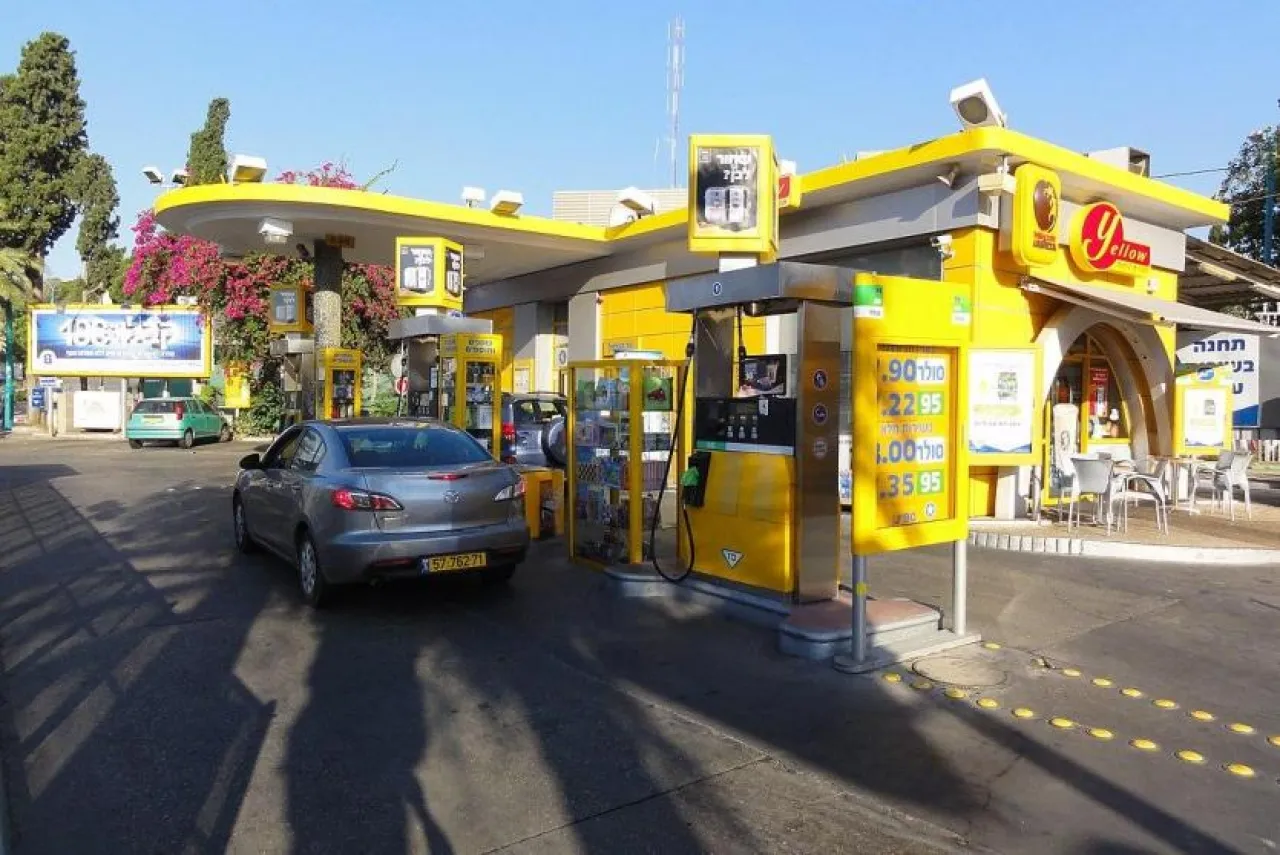
The huge rise in global oil prices, to more than 100 dollars per barrel compared to 68 dollars before the war with Iran, could lead to a significant increase in the price of self-service 95 octane gasoline, starting next week, pushing it over eight shekels for the first time in 14 years.
This situation, according to the newspaper Yedioth Ahronoth, would immediately raise inflation in Israel by at least a full percentage point, due to the impact of fuel prices on nearly all sectors of the economy – from manufacturing, transportation, and shipping to aviation, and extending to electricity and water prices, necessitating an increase in property taxes.
In recent days, discussions have begun in the Ministry of Finance regarding a proposal from senior officials to reduce the fuel tax by at least half a shekel starting April 1st, Passover night, to prevent an inflationary spiral that might prompt the Bank of Israel to raise interest rates again, possibly in the near future.
The price of 95 octane gasoline at self-service stations increased by 14 agorot on March 1st of this year, reaching 7.02 shekels.
Moreover, the exchange rate of the dollar has jumped by an average of between 2% and 3% since the outbreak of the war, and according to experts' calculations, the price of gasoline per liter in Israel will rise to 8.10 shekels starting from next Wednesday, marking a noticeable increase.
In the United States and other countries, gasoline prices have risen by between 10% and 30%. Some European and Middle Eastern countries also expect a significant increase in gasoline prices at refineries and fuel stations.
Israeli Prime Minister Benjamin Netanyahu still supports reducing fuel prices "for a limited period," and the Ministry of Finance will decide this week whether to reduce the tax by half a shekel or even a full shekel, as then Finance Minister Avigdor Lieberman did in 2022.
The current Finance Minister, Bezalel Smotrich, continued to reduce the fuel tax by up to half a shekel per liter throughout 2023, then abolished it entirely in January 2024.
In the meantime, industrialists and exporters are demanding a revolutionary innovation in tax payment for the first time, by paying it in dollars instead of shekels. The Tax Authority does not completely dismiss this proposal.
Abraham Novogrotsky, president of the Manufacturers Association, has called on Minister Smotrich for a radical change in the tax policy on export companies, warning that the gap between dollar revenues and shekel taxes harms the industry and weakens the competitiveness of the economy.
He warns that obligating export companies to convert their dollar revenues to shekels for tax payments creates artificial demand and volatility in the currency market, leading to fictitious profits and unfair taxes, which harms exporters and the local industry.