Khaberni - With the ongoing American-Israeli war on Iran and the disruption of oil supplies through the Strait of Hormuz, the repercussions of the crisis are beginning to be reflected in global energy markets, with rising fuel prices in several Asian countries that heavily depend on oil coming from the Middle East, especially Japan and China.
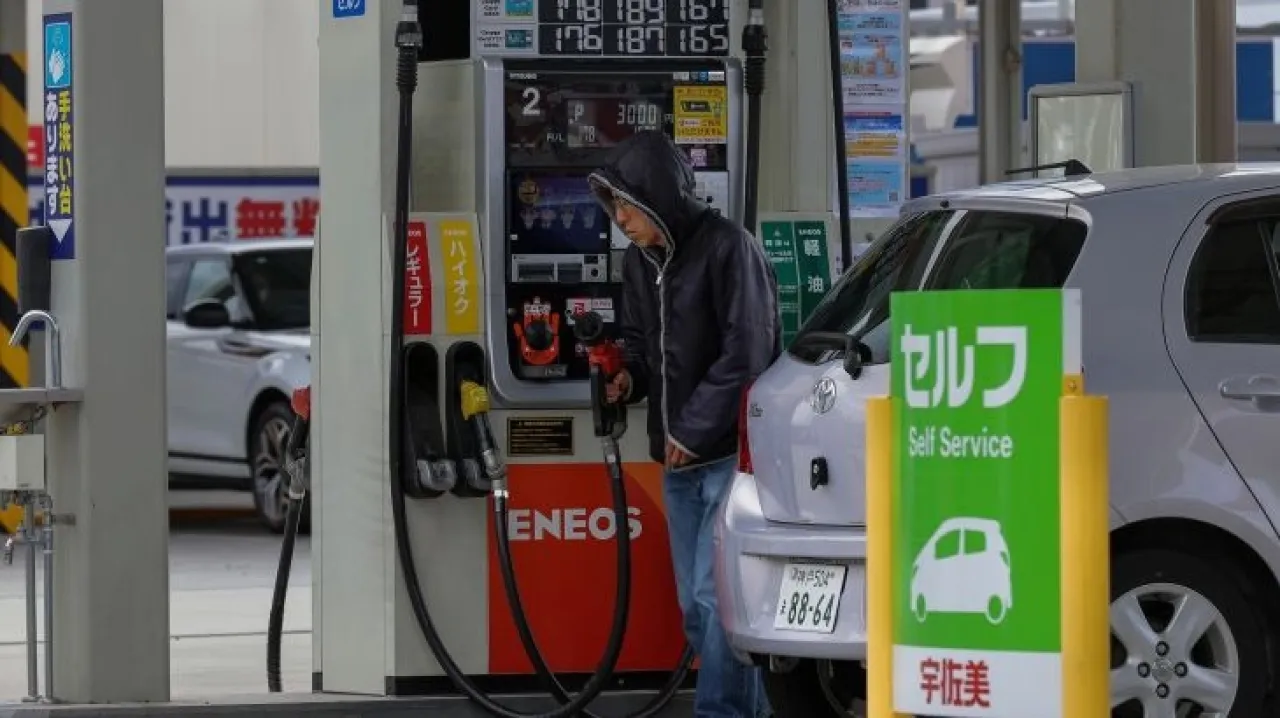
From Tokyo, Al Jazeera's correspondent Fadi Salameh described the situation in Japan as particularly sensitive due to its heavy reliance on energy imports through the Strait of Hormuz. He pointed out that Japan imports about 90% of its oil needs through the strait.
Japan also imports about 20% of its liquefied natural gas, making any disruption in this vital corridor a "nightmare" for the Japanese economy. This has already reflected in gasoline prices, which have risen by about 20%, a hike described as unprecedented.
From Beijing, Al Jazeera's correspondent Shaimaa Joo Ei Ei observed the direct impacts on consumers in China, saying that a field visit to gas stations showed citizens feeling the price increase, albeit limited.
She quoted one driver saying he paid an extra 27 yuan (about 4 dollars) when filling 50 liters of fuel, reflecting a tangible impact despite the authorities describing the increase as minor.
In Pakistan, Al Jazeera's correspondent Abdul Rahman Matar reported that the government decided to raise fuel prices by more than 20%, along with taking austerity measures to limit the repercussions of the crisis.
Matar links this to Pakistan's geographical location, which shares a long land border with Iran and is close by sea to Oman, making it one of the countries most affected by developments in the conflict.
A different picture
In Indonesia, Sohaib Jassim, Al Jazeera's correspondent from Jakarta, presents a relatively different picture, where there have yet to be signs of panic in the markets, despite millions returning to the villages for the holiday.
He notes that gas stations have not seen significant congestion, except for some financially capable individuals taking precautionary measures to fill their tanks fully.
He adds that Indonesia, like other countries, has already begun to diversify energy sources, by reducing dependence on Middle Eastern oil, and turning towards suppliers from Africa such as Angola, Nigeria, and Gabon, a trend likely to expand amidst ongoing uncertainty.
The rise in oil product prices in countries like China, Japan, and Pakistan reflects the potential impact that any escalation in the Strait of Hormuz could have on the global economy, particularly in Asia, where energy interests intersect with geopolitical security calculations.
Experts warned that the price of oil per barrel could rise to $130 if the crisis continues for several months, which could have significant negative repercussions on the global economy.