Khaberni - Christopher Waller, a member of the Federal Reserve Board of Governors, expressed his concern on Friday about the repercussions of the Middle East war on inflation rates, given the possibility of a long-term closure of the Strait of Hormuz.
Waller, who had supported a rate cut last year due to labor market concerns, has changed his stance over the past two weeks on the pace of this cut, driven by his increasing inflation concerns.
In an interview with American "CNN" on Friday, he said: "Since the closure of the Strait of Hormuz, it seems that the conflict will prolong, and oil prices will remain high for an extended period."
He added: "This indicates that inflation has become a greater concern than I had anticipated."
Earlier this week, Waller supported the Federal Reserve's decision to keep interest rates unchanged. Speaking to "CNN", he explained that while he considers inflation a growing concern, he does not currently support raising interest rates.
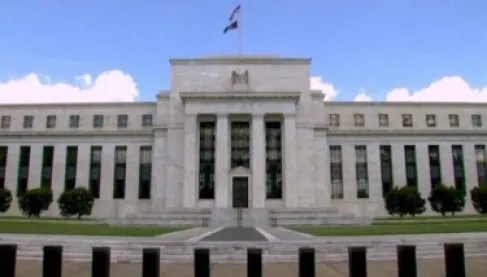
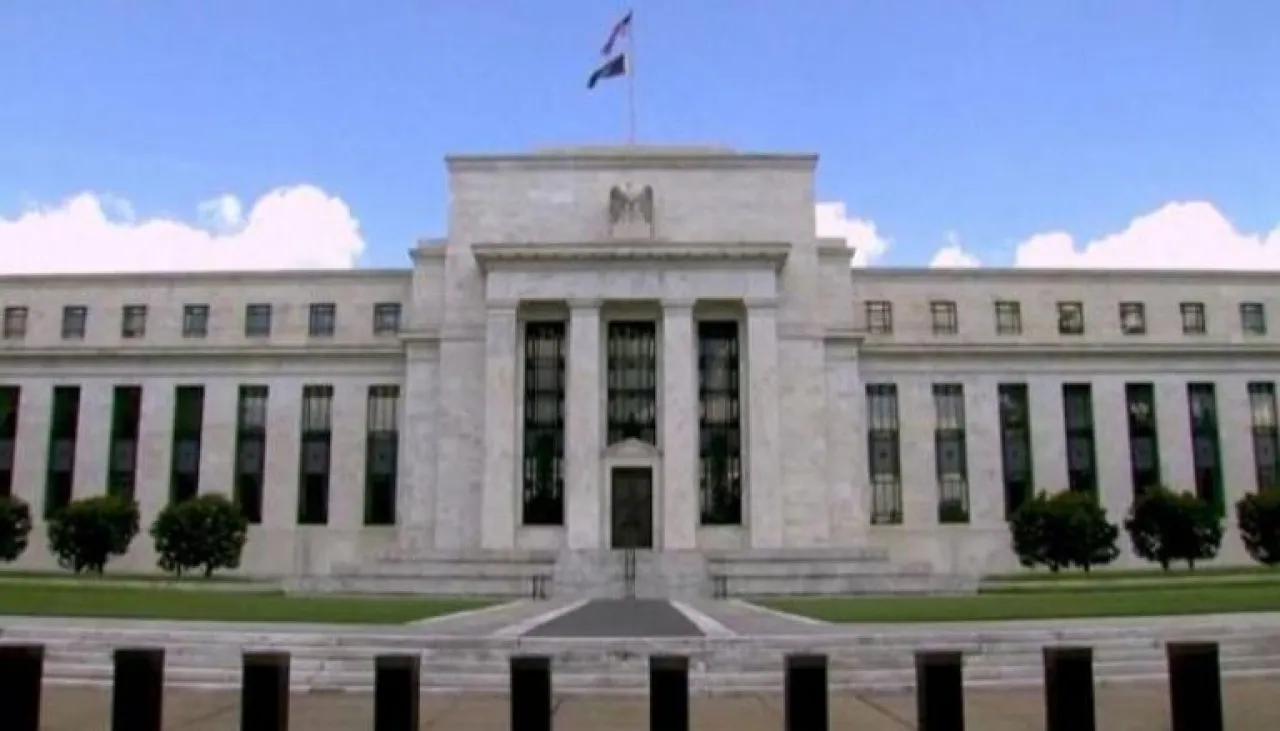
The Federal Reserve (the U.S. central bank) kept the main interest rate unchanged on Wednesday, marking the second consecutive decision to fix the rate during the year 2026.
The Federal Reserve maintained the federal funds rate - the rate at which banks charge each other for short-term loans - within the current range of 3.5% to 3.75%. The decision to keep interest rates steady was widely expected by investors.
The second largest U.S. bank reaches a preliminary settlement in the Jeffrey Epstein case.
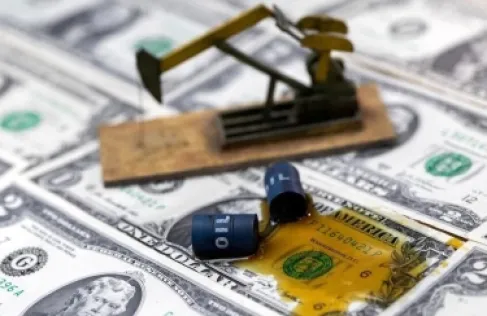
The central bank faces uncertain economic forecasts for the United States, as the war with Iran has led to sharp rises in energy prices, threatening to increase inflation rates.
Before the war began on February 28, economists had anticipated a rate cut at the meet in June, but that possibility has now diminished, according to the CME FedWatch Index, which tracks trader trends.
Michael Pearce, the chief U.S. economist at Oxford Economics, stated in a research note dated March 17: "The conflict with Iran has drastically changed the backdrop of the scheduled Federal Open Market Committee (FOMC) meeting this month and significantly heightened inflation and economic risks."