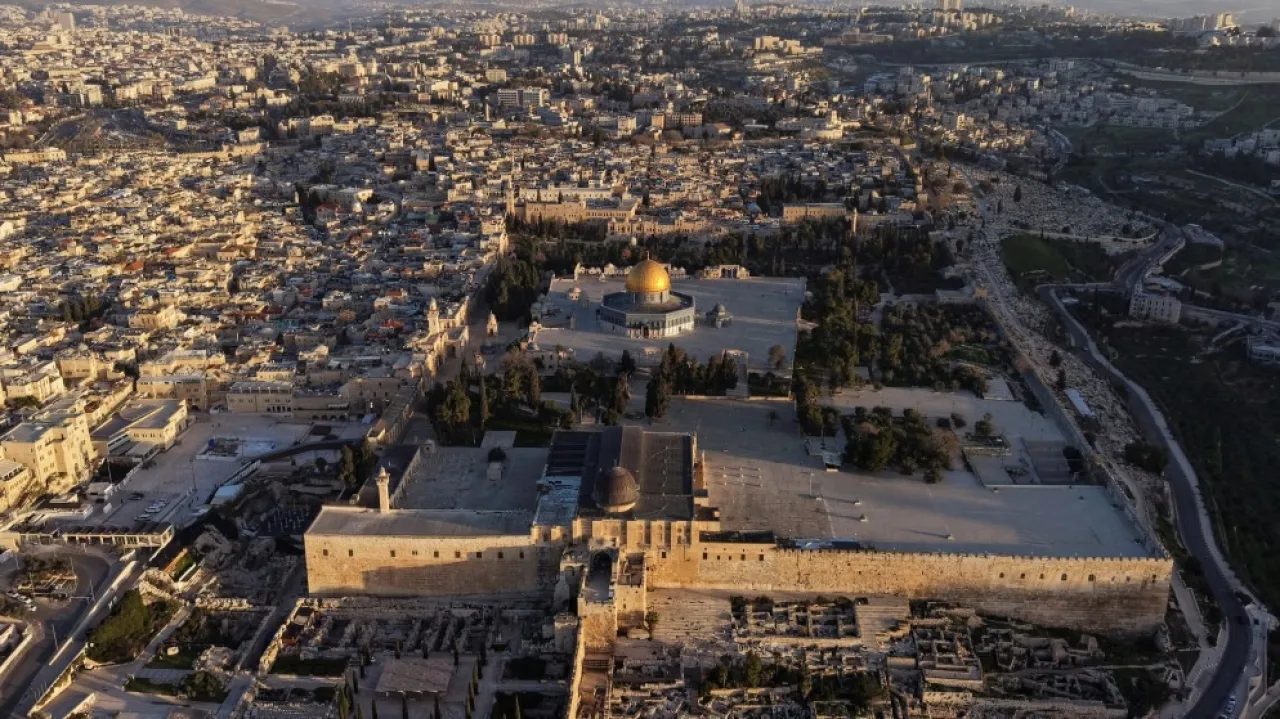
Khaberni - A Palestinian source stated that the Israeli occupation authorities will keep the Al-Aqsa Mosque closed during Eid al-Fitr, thereby depriving tens of thousands of Palestinians from performing the Eid prayer at the site.
The source added that the closure of the Al-Aqsa Mosque by the occupation will continue due to the Israeli Home Front’s announcement to extend the state of emergency from last Monday to the coming Wednesday.
On February 28th, last month, the occupation authorities closed the mosque and the old town of Jerusalem under the pretext of declaring a state of emergency in conjunction with the joint American-Israeli attack on Iran.
According to the status quo agreement, the Al-Aqsa Mosque is administratively controlled by the Islamic Waqf Department, which is affiliated with the Jordanian Ministry of Awqaf, and closing it undermines its authority.
On his part, the Media Advisor to the Governor of Jerusalem, Marouf Al-Rifai, stated that the continued closure of the old town and restricting entry to its residents, in addition to the continued closure of the Al-Aqsa Mosque for the seventeenth consecutive day, "has deprived worshipers from performing the Friday prayer in the last two Fridays of Ramadan, as well as from performing iʿtikāf in the last ten days and from celebrating Lailat al-Qadr in one of the holiest places on Earth."
Al-Rifai also noted that the restriction of freedom to worship is not limited just to Muslims, if the closure continues, but also affects Christians currently observing Lent, who are supposed to celebrate Easter Sunday in the Church of the Holy Sepulchre in the old town.
He added, "This season is important in Christianity, where Christians head to various churches to pray, and the Church of the Holy Sepulchre, being of utmost significance, has been closed since the onset of the war."
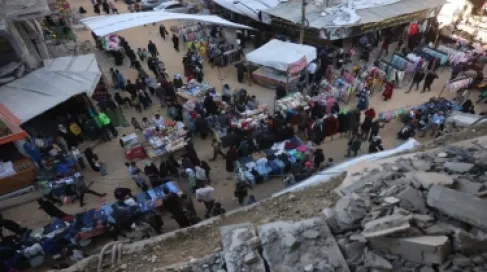
For more than a week now, worshippers from Jerusalem and inside Palestinian areas have been performing Maghrib, Isha, and Taraweeh prayers at the closest point they can reach around Al-Aqsa and the old town.
As soon as they gathered on Monday evening, next to Bab Al-Sahira, one of the northern gates of the old town, they were dispersed by the occupation forces who surrounded the area targeting them with beatings and stun grenades, while some of the worshipers attempted to continue their prayers in the Musrara area near Bab al-Amud.
Al-Rifai said that since Sunday the occupation forces "have deliberately intensified police checkpoints and set up iron barricades to limit the movement of the worshippers aiming to break the siege on Al-Aqsa Mosque, by performing prayers in the vicinity of the old town, especially near Bab Al-Sahira and Bab Al-Asbat, and in the Musrara area and in front of Al-Rashidiya school, opposite to Bab Al-Sahira."
He suggested that this pursuit of worshippers to prevent the Eid prayer or the celebration of any related rituals "is part of the Israeli exploitation of the war to control Al-Aqsa Mosque and manage its affairs after completely sidelining the role of the Waqf and the Hashemite custodianship."
He concluded saying that "Israel exploits the security situation to prevent assembly, claiming that it wants to preserve the lives of Jerusalemites, but in reality, it aims to control them, impose dominance over them, their holy sites, including Al-Aqsa Mosque and the Church of the Holy Sepulchre."
Meanwhile, Jerusalem affairs researcher Ziad Abu Hayyes stated on his social media profiles that, according to what various Temple organizations publish on their platforms, there is an agreement between these organizations and the occupation police to keep Al-Aqsa Mosque closed until Sunday, March 29th or around that date, then partially open it, allowing them to storm Al-Aqsa during the Hebrew Passover days between April 2nd and April 9th next month.
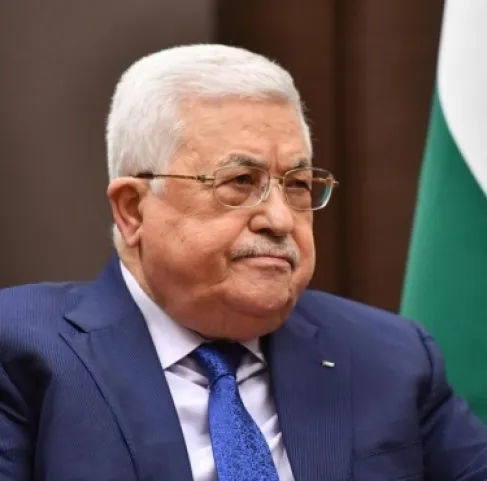
Jordan retains its historical role in overseeing religious affairs in Jerusalem since the notables of Jerusalem and the Supreme Islamic Council pledged in 1924 to Sharif Hussein bin Ali as a custodian of the holy sites for their protection, confirmed in the "Wadi Araba" peace treaty between Jordan and Israel in 1994, and in an agreement signed in 2013 by the Jordanian monarch King Abdullah and Palestinian President Mahmoud Abbas.