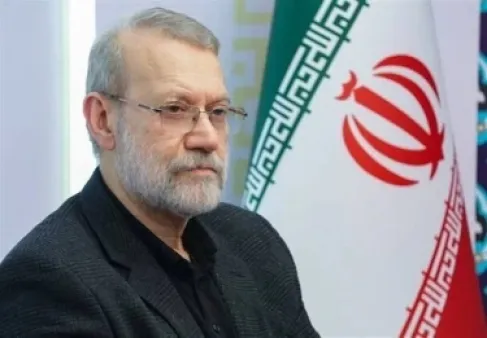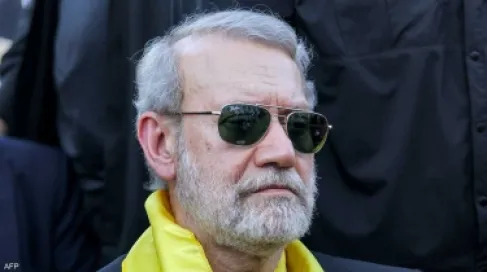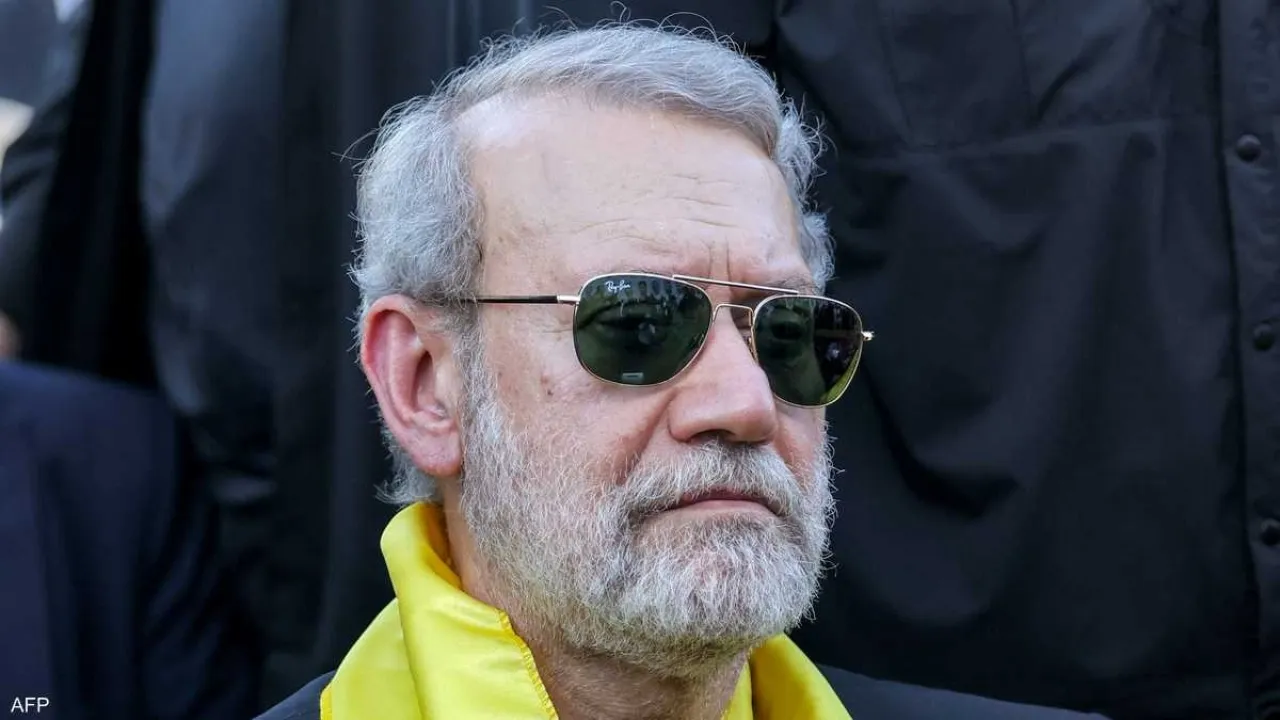
Khaberni - The Israeli "Jerusalem Post" newspaper revealed on Tuesday some details of the Israeli army's assassination operation of Ali Larijani, Secretary of the Supreme National Security Council of Iran.
The Israeli Defense Minister, Israel Katz, announced on Tuesday the killing of Larijani in a strike carried out by the Air Force last night, while Iranian official sources have not yet confirmed the news.
According to the "Jerusalem Post", Larijani was Israel's first target after the assassination of the former Supreme Leader Ali Khamenei on February 28.
The newspaper explained, quoting military sources, that Israel allocated huge intelligence and operational resources to track him and determine his movements.
According to the newspaper, Larijani was not an easy target to track and identify as he had experience in avoiding surveillance and took a number of precautions to delay and prevent tracking, and he was constantly moving between secret locations over the past two weeks.
Larijani's elimination
The sources indicated that "the extent of the precautions Larijani took to stay away from the Israeli gunfire following the assassination of the Iranian leader reflects the extent to which the Iranian leadership feels targeted."
The source referred to the "special capabilities in tracking him", in addition to a quick decision from the Chief of Staff of the Israeli Army, Eyal Zamir, and the political level to carry out the assassination operation.
The sources added that providing the high command with intelligence information and issuing their orders for the Air Force plane to take off at a distance of 1600 km, paved the way for Larijani's elimination.
On the same night, Israel assassinated the commander of the Basij forces after they located and killed him while he was hiding in temporary tents, and senior officials were also neutralized in the same agency at different locations.
Larijani was among the most prominent figures who bridged the security institution, the political circle, and decision-making centers associated with the leader in Iran, having served as Secretary of the Supreme National Security Council twice, the first between 2005 and 2007, and the second since August 2025, as well as heading the parliament between 2008 and 2020, and was previously pivotal in managing the Iranian nuclear file.
Larijani was among the officials for whom the United States, a few days ago, offered a reward for information leading to them.