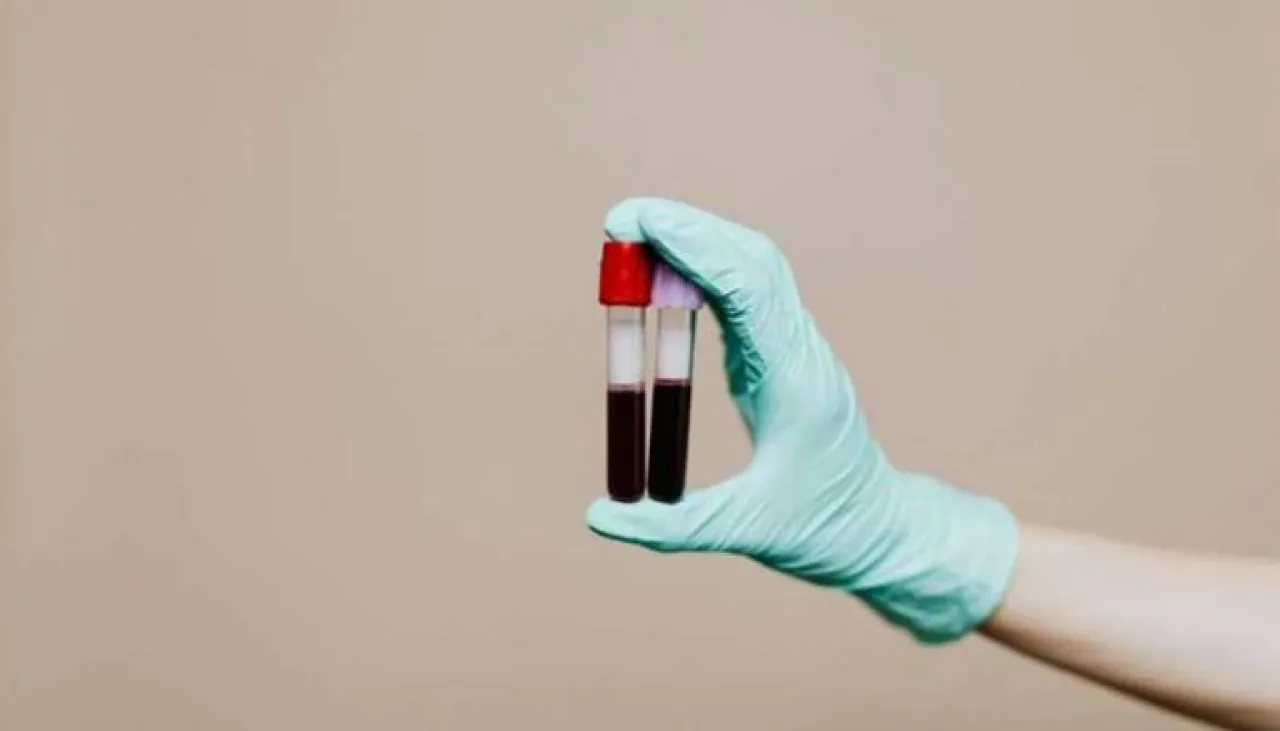
Khaberni - Researchers have developed an innovative platform, capable of detecting and tracking diseases using less than 50 microliters of blood plasma, which is approximately equivalent to a single drop of blood.
The platform, named "cf-EpiTracing," was designed by researchers at Beijing University in China, and its details were announced in the journal "Nature".
"cf-EpiTracing" represents a breakthrough in the field of liquid biopsies, overcoming the limitations of current tests in identifying the source of disease signals. The technique relies on reading detailed epigenetic fingerprints from small blood samples, enabling the identification of the disease-causing tissues, distinguishing types of lymphoma, and predicting patient outcomes with greater accuracy than traditional clinical tests, paving the way for more accurate, non-invasive, and early diagnosis.
The technique has shown remarkable performance in diagnosing colorectal and rectal cancer, with "cf-EpiTracing" achieving 97.6% accuracy in training samples, and 92.2% accuracy in an independent verification group, by integrating multiple epigenetic features of free cells and using machine learning algorithms.
The researchers also revealed that patients with large lymphomas show strong signals of "CD34" cells in the plasma, reflecting bone marrow involvement and disease severity, offering new insights for tumor classification and developing treatment strategies.
Future research is aimed at integrating "cf-EpiTracing" with other data such as DNA methylation, mutations, and chromatin topology, to provide a multidimensional diagnosis of complex diseases, and to monitor cell dynamics during disease progression and treatment in large patient groups, potentially revolutionizing the field of non-invasive diagnosis on a large scale.