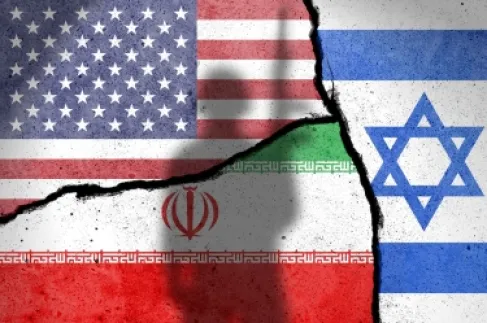
Khaberni - In light of the recent escalation of the ongoing war between Iran on one side and the United States and Israel on the other, the fate of the Strait of Hormuz emerges as one of the most important battlegrounds, which has heavily impacted the global economy in general.
With Iran threatening further escalation, many questions have arisen regarding the possibilities of any confrontation in the Strait and the options available, after the United States bombed the strategic Iranian island of Kharg, apparently preparing for its occupation.
Previously, senior Iranian leaders threatened to turn the waters of the Gulf into blood and burn the oil and gas of the region if their ports and islands were attacked.
The recent closure of Hormuz has paralyzed the navigation that carries 20% of the global energy supplies, where Iranians targeted more than one tanker and hit a number of them since the beginning of the war.
According to a report by Al Jazeera's correspondent Jafar Salamat, Iran has not officially announced the closure of the Strait but has made its crossing very costly and nearly impossible, considering the margin of risk and the rising costs of shipping and insurance amid the war.
The new Supreme Leader of Iran, Mojtaba Khamenei, ordered his forces to close the Strait, which can be executed in several ways, according to Salamat's report.
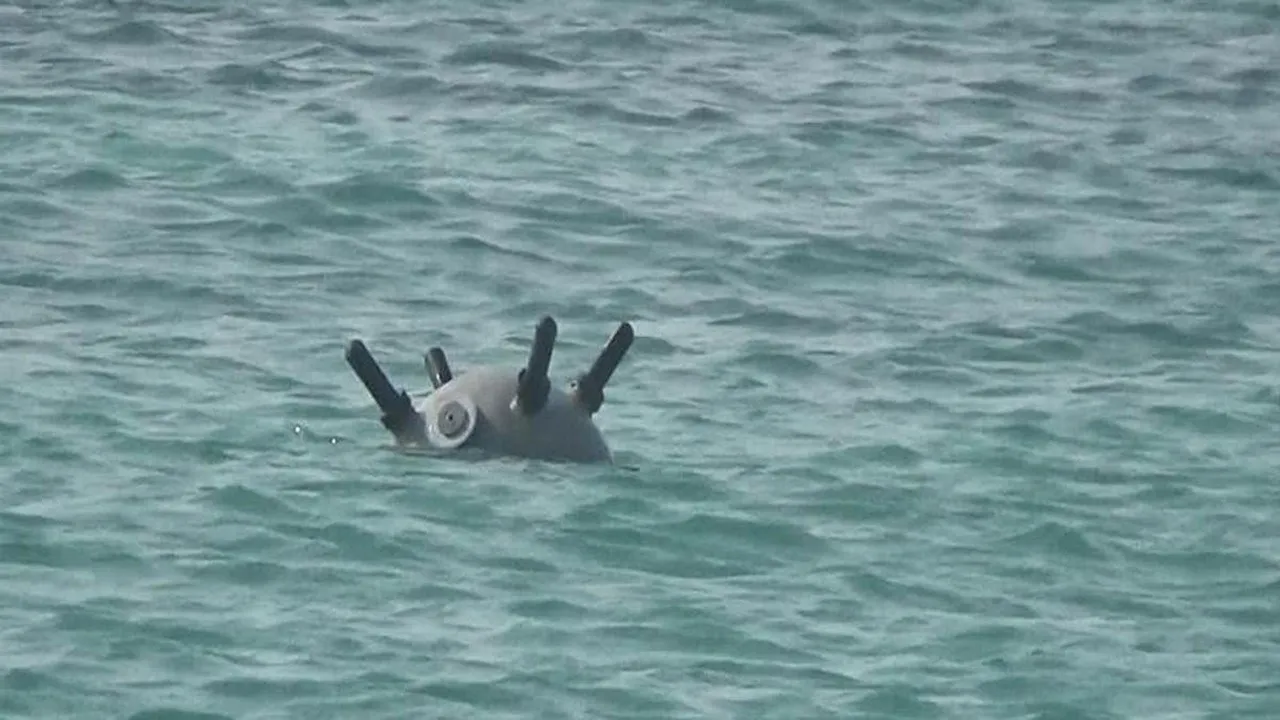
Iran is capable of planting a large number of sea mines in the bottom of the Strait, which, according to the Institute for the Study of War, it possesses between 2,000 and 6,000 mines, which would keep the Strait closed for weeks.
Iran has developed smart sea mines, which intelligence reports indicate only explode when detecting a specific acoustic or magnetic signature of targeted warships or large oil tankers.
Iran is also capable of launching attacks with anti-ship missiles from its coasts or from islands it controls near the Strait, and it has done so in the current war.
The Revolutionary Guard owns fleets of fast suicide boats, armed with short-range missiles or loaded with explosives, in addition to suicide drone attacks that are used to strike radar systems or ship command centers, disabling the vessel without needing to sink it.
This scenario has historical precedents, as the 1980s saw what was known as the Tanker War, which involved American ships and Gulf tankers being trapped by sea mines during the Iran-Iraq war.
American Options
In contrast, the United States is proposing multiple scenarios to secure navigation during the current war, where President Donald Trump's administration has confirmed that all options are on the table to ensure the flow of energy.
Trump has talked about the U.S. Navy escorting oil tankers in protected convoys, a choice that faces opposition within the Navy due to its high cost.
Washington has brandished preemptive strikes against Iranian ports, and Central Command said that civilian ports used by Iranian forces would be legitimate targets.
The United States has attempted to neutralize Iran's naval weapon and said it destroyed its naval assets including 50 warships and mine-laying boats.
The American response can escalate to controlling and neutralizing strategic Iranian islands, especially Kharg Island, which is crucial for Iranian oil exports since 90% of it passes through there.
Next to Larak Island close to the Strait, a strategic military and oil base that Iran would prevent the United States from controlling as it serves as a main platform for deploying missiles and mines.
Practically, Iran relies on asymmetric warfare to counter the American naval superiority, betting on geographical factors to make an impact in Hormuz.
A Bone-Breaking Battle
Iran faces a capable American force that can destroy some of these tools, but likely cannot neutralize all weapons Iran uses in the current bone-breaking battle.
As of Saturday, Trump said many countries would send warships to keep the Strait open, but he did not disclose which countries would take this step.
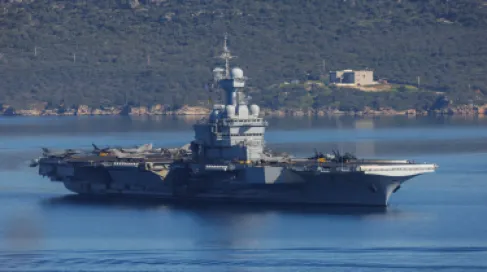
Trump expressed in a post on his platform "Truth Social" his hope that China, France, Japan, South Korea, Britain, and other countries would send ships to the region.
At the same time, the American President pledged to bombard heavily along the coast, continue targeting Iranian boats and ships, and sink them.
On March 2, Iran announced it would attack any ships trying to cross this strategic passage, and has already struck a number of tankers, leading to the largest halt of oil supplies in history, according to Reuters.