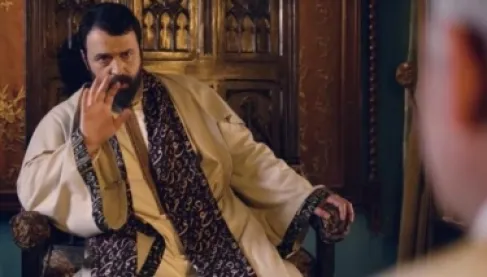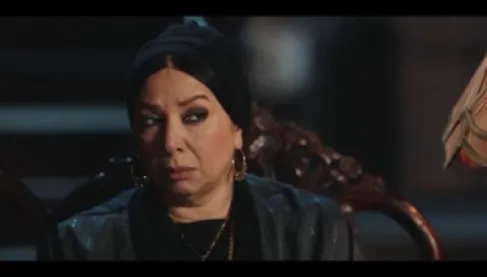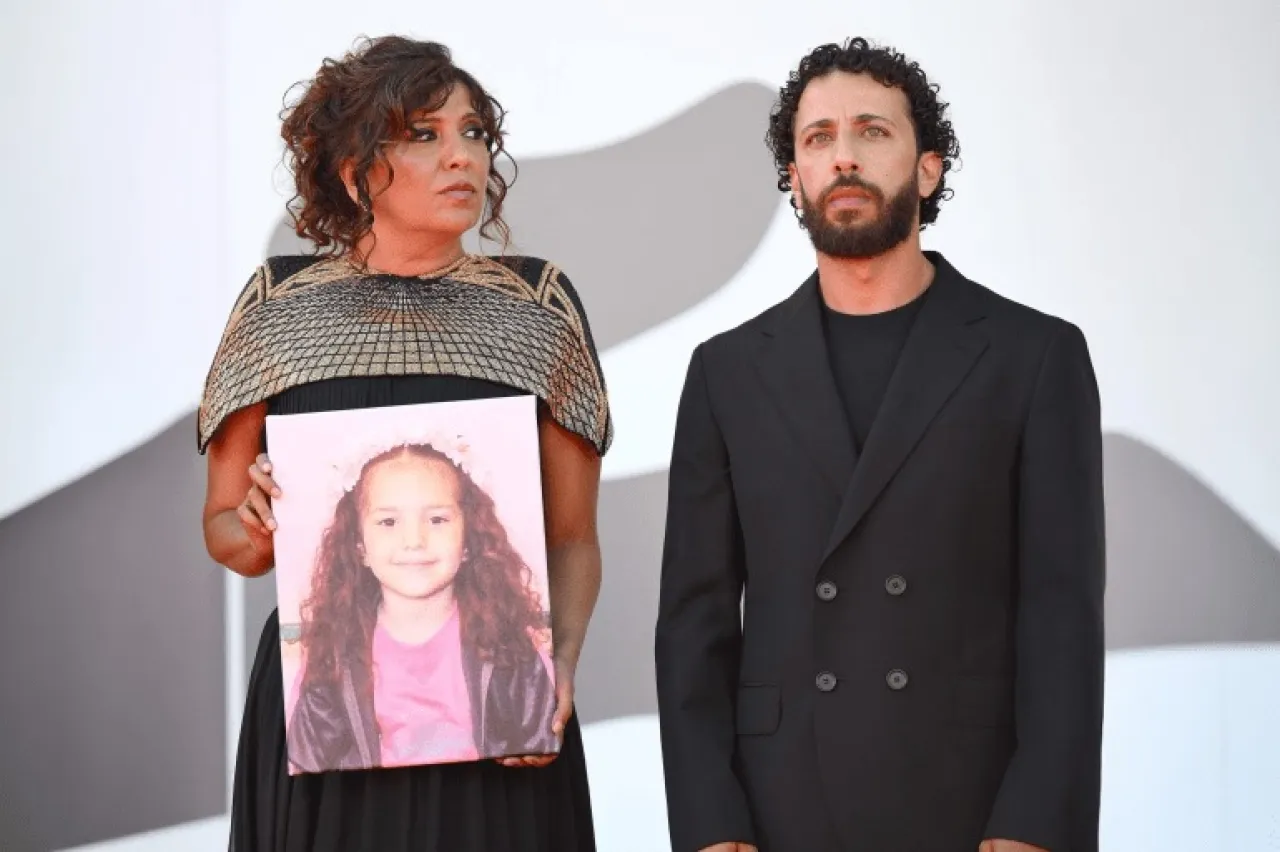
Khaberni - Palestinian actor Mu'ataz Malhees, the hero of "Voice of Hind Rajab", faces a harsh irony that has reignited political debate in one of the most eye-catching works of this award season. Malhees will not be able to attend the 2026 Oscar Awards ceremony in Los Angeles, despite the film's achievement in making it to the shortlist for "Best Documentary Film."
This enforced absence is due to a decision by US President Donald Trump to ban holders of Palestinian travel documents from entering the United States, as the actor documented in a post on his official account, writing: "Three days left until the Oscar ceremony. Our film (Voice of Hind Rajab) is nominated for an Oscar. I was honored to play one of the main roles in a story the world needed to hear. But I will not be present. I am not allowed to enter the United States because of my Palestinian nationality."
Malhees continued, emphasizing that while the situation is painful, it is an imposed reality, adding that the authorities might have the power to ban a passport, but they cannot stop the voice, and stressing that he stands tall with pride and dignity, and his story is greater than any barrier and will be heard.
This ban represents a tragic irony that reproduces Hind Rajab's siege in a political form, as the actor who portrayed an EMT trying to break barriers and carry his voice and coordination to save a child from "the death square", now finds himself today besieged by a decision targeting his travel document and preventing him from reaching the global platform, just as Hind was prevented from reaching the ambulance crews at that time.
Between the "denial of access" that led to the murder of Hind Rajab and the "denial of access" that deprives Malhees of attendance in Hollywood, the Palestinian actor’s role in the film gains dimensions that go beyond acting, turning his voice in the film's "emergency operations room" into a live outcry against isolationist policies that pursue Palestinians, his absence becoming a symbolic continuation of the barriers that obstructed ambulance access in Gaza and embodying the film's idea that "denial of access" is the most lethal tool in attempting to obscure the truth.
Murder Crime
The film - directed by Tunisian Kaouther Ben Hania in a Tunisian-French co-production - is based on the events of the murder of the child Hind Rajab in the Gaza Strip in January 2024, after she was caught inside a car directly shot at while her family was fleeing. The emergency phone call Hind made with the Palestinian Red Crescent became one of the most impactful humanitarian recordings in recent history.
The film recreates those moments through an artistic blend of drama and documentary in 89 minutes, using the actual recordings of the call alongside staged scenes inside the emergency operations room, featuring a cast that includes Saja Al-Kilani, Amer Hlehel, Clara Khoury, along with Mu'ataz Malhees, and with production support from global names like Brad Pitt, Joaquin Phoenix, Rooney Mara, and Alfonso Cuaron.
The film achieved exceptional success since its premiere at the Venice International Film Festival 2025, where it won the Grand Jury Prize "Silver Lion" and received extraordinary applause lasting over 20 minutes, before continuing its journey at "Toronto" and "San Sebastián" festivals, leading to being shortlisted for the Oscars and representing Tunisia in the Best International Film race.
Repeated Denial
Malhees' ban from attending stems from a US political decision signed by President Donald Trump in December 2025, which stipulates not to grant entry visas to the United States to individuals using travel documents issued by the Palestinian Authority. This decision came into effect at the beginning of 2026.
The decision imposes almost complete restrictions on visa issuance for holders of these documents, justified as "national security" considerations. Under this measure, US consulates stopped issuing visas to Palestinians except in very limited cases, stirring rights-based criticisms considering the decision a move targeting Palestinian identity itself.
Malhees is not the first creator deprived of attending one of the most important global cinema platforms, as several film creators have been barred from entering the United States under different legal and political pretexts. In 2017, the US authorities canceled the visa of Syrian photographer Khaled Al-Khateeb, a participant in the film "The White Helmets" (The White Helmets), right before his travel, a decision attributed by American media reports to "negative security information" that emerged during the scrutiny, without further details.
Mexican actor Jorge Antonio Guerrero, one of Roma's stars (Roma) by director Alfonso Cuaron, repeatedly faced rejection of his tourist visa request in 2019, on the grounds that he did not fulfill the temporary visa conditions and prove intent to return to his country, before eventually succeeding in traveling later thanks to the intervention of the film's producers.
Syrian director Feras Fayyad also missed the Oscar ceremony in 2018 after being denied a visa, in the context of the travel ban policies that targeted citizens of several countries at that time, despite his documentary film "Last Men in Aleppo" (Last Men in Aleppo) being nominated for the award.
These successive cases reveal that the stated reasons for barring creators ranged from security considerations to political constraints related to fluctuations in US travel policy, but the case of Mu'ataz Malhees adds a special chapter to Gaza's record, which has been prominently present in Hollywood discussions since October 7, 2023.