Khaberni - Traders and analysts say that rising diesel prices threaten to slow global economic activity, with the war in the Middle East affecting fuel supplies used in industry and the most suitable type of crude oil for its production.
Diesel has been facing supply shortages for years due to disruptions caused by Ukrainian attacks on Russian refineries and Western sanctions on Moscow's exports.
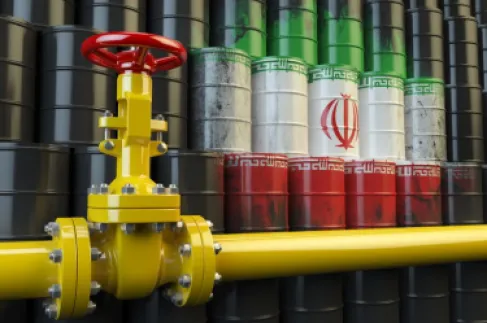
The war between Israel, the United States, and Iran fuels concerns about supplies, as Tehran disrupts navigation in the Strait of Hormuz, through which between 10 and 20 percent of global diesel supplies transported by sea pass.
Shohro Zokhritdinov, founder of Nitrol Trading based in Dubai said, "Diesel is structurally the most vulnerable product to this conflict. Diesel supports transport, agriculture, mining, and industrial activities, making it the most sensitive on a macro level in the system."
Energy economist Philip Verleger estimated that a loss of diesel supplies linked to disruptions in the Strait of Hormuz could range from three to four million barrels per day, or roughly five to 12 percent of total global consumption. He added that 500,000 barrels per day of diesel would be lost due to an export ban from refineries in the Middle East.
"By closing the Strait (Hormuz), Iran has cut off crude oil exports rich in derivatives in the Middle East as well as jet fuel and diesel. There is a term in chess that describes this situation: checkmate," he said.
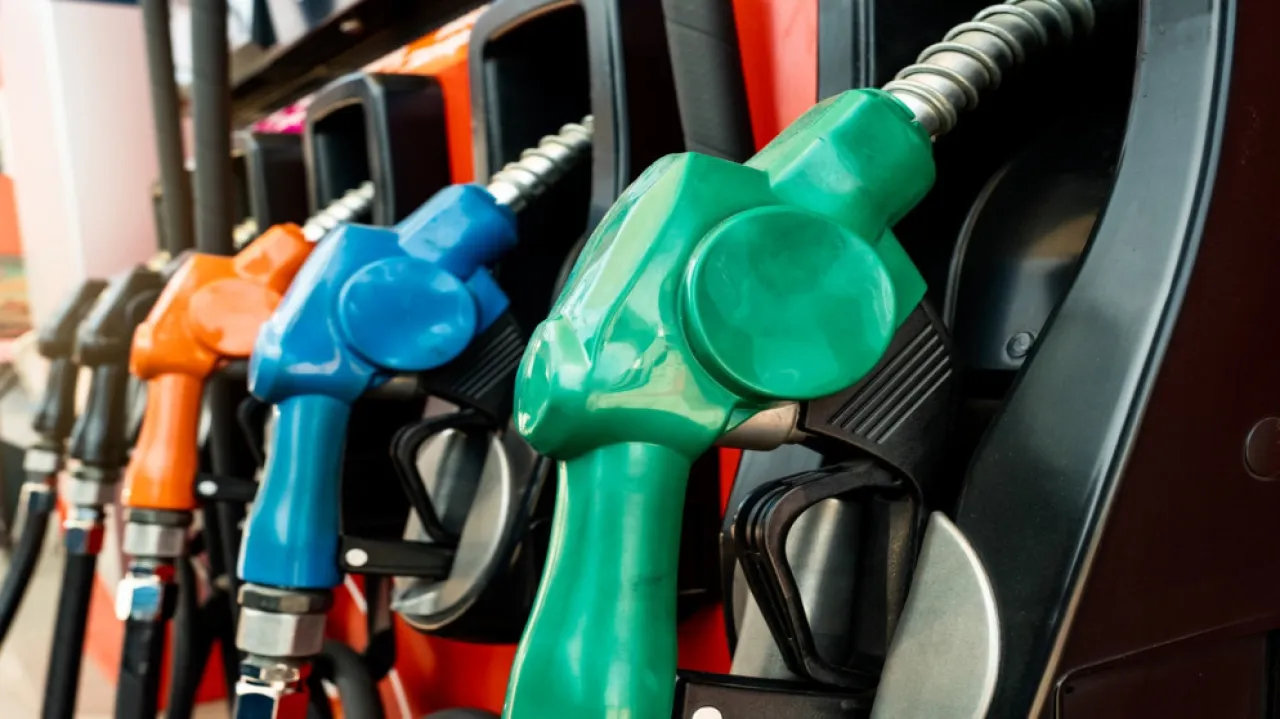
As a result, diesel prices have risen much faster since the start of the war in the Middle East compared to oil and gasoline, and Verleger believes they could nearly double at the retail level if Hormuz Strait is closed for an extended period.
U.S. diesel futures rose more than $28 per barrel from February 27 to March 10, compared to a rise of over $16 per barrel in U.S. crude oil futures.
Similar movements were recorded at the Asian trading hub in Singapore and the European trading center Amsterdam-Rotterdam-Antwerp, leading to increased diesel margins worldwide.
Economic activity will be affected
The shock of rising diesel prices is likely to resonate through the global economy. James Noel-Biswick, an analyst at Sparta Commodities, said that the continued rise in diesel and jet fuel prices for any length of time would lead to demand destruction and slowing economic activity.
Dean Lewolkin, CEO of Cardiff American, a company specializing in lending to small businesses, said, "Transport costs for nearly all goods have risen, which will inevitably show up in food and consumption prices soon. If diesel prices remain high, the greater risk is a second wave of inflation stemming from rising costs."
The rise in diesel prices might have an immediate impact on food prices, as farmers in the United States will need to slow down crop planting as the season begins.
Shaya Hussein Zadah, founder of Onyx Point Global Management, said "The ongoing shock in fuel prices due to diesel could have a recessionary inflationary nature because it raises the cost of transporting goods and producing food and essential commodities while placing pressure on consumers."
Diesel prices jump
In Asia, a major importer of fuel from the Middle East, diesel margins containing 10 parts per million of sulfur reached about $33 per barrel, almost $12 higher than before the war broke out, after recording the highest level in three and a half years at $48 per barrel on March 4th.
In Europe, also a major importer of refined products from the Middle East, data from Quantum Commodities Intelligence indicated that very low sulfur diesel prices at the Amsterdam-Rotterdam-Antwerp trade hub jumped nearly 55 percent from February 27 to about $1165 per ton.
Alex Hodz, market strategy director at StoneX, said Europe, as one of the largest drivers of diesel prices as a major importer, is closely tied to imports from the Middle East due to its efforts to move away from relying on Russian supplies.
Tom Kloza, chief advisor at Gulf Oil fuel supply company said, "Historically, diesel has sold at a price perhaps $20 to $25 per barrel above crude oil prices, but these days we are seeing profit margins ranging between $30 and $65 per barrel, and even more."
"These huge margins for this fuel can cover all the bills of American and foreign refineries," he added.