Khaberni - In recent years, the use of pink salt has expanded significantly, marketed as a healthier alternative to traditional white salt. But is it actually better? And are there real differences that impact health? In this article, we will discuss the difference between pink and regular salt.
What is pink salt?
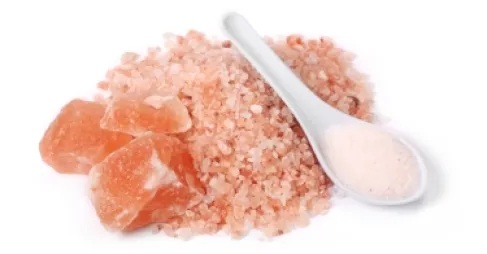
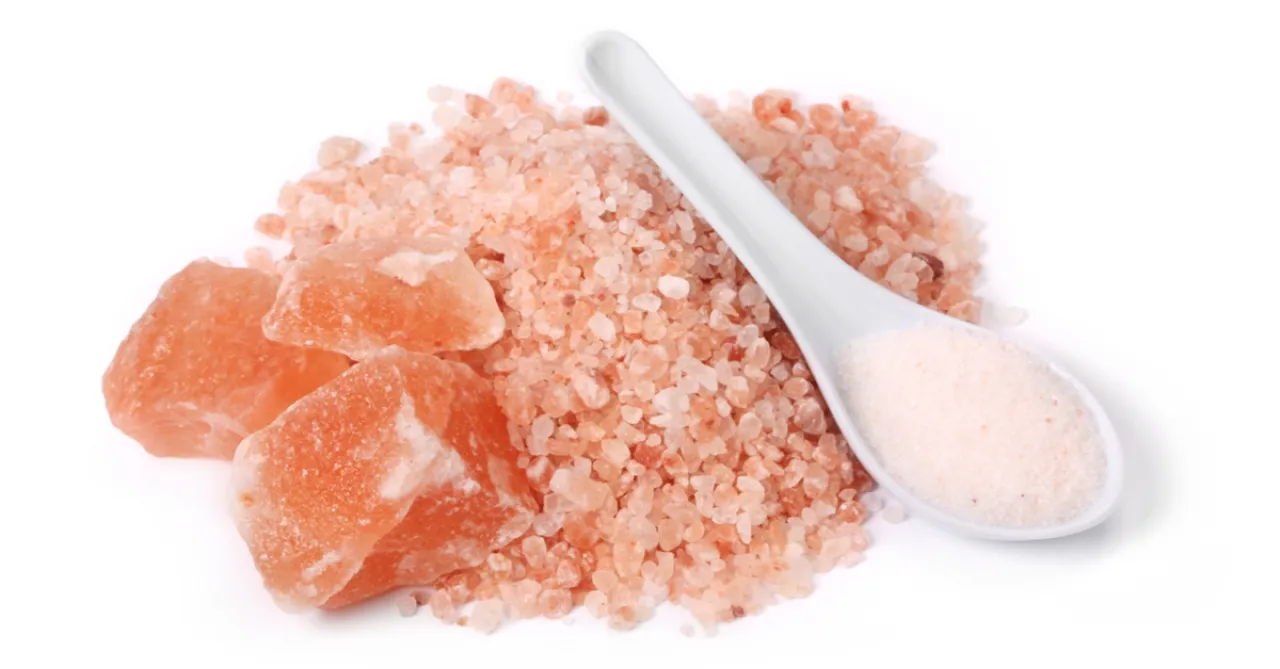
Pink salt, commonly known as Himalayan salt, is mined from ancient deposits in mountainous regions of Asia. It is characterized by its pink color, which comes from trace amounts of minerals such as iron. Unlike refined white salt, it is often less processed and sold in its natural form or in coarse grains.
What is regular salt?
White salt or traditional table salt is the most common type among salts. It is purified and processed to remove impurities, and iodine is often added, an essential element for thyroid health.
The difference between pink salt and regular salt
When discussing the differences between pink salt and regular salt, it can be summarized in several points:
Processing
White salt undergoes refining processes to remove impurities, while pink salt is usually less processed.
Mineral content
Pink salt contains very small amounts of additional minerals that give it its pink color. Scientifically, these minerals are present in such small proportions that they do not make a significant nutritional difference when consuming normal amounts of salt.
Iodine
White salt is often fortified with iodine, an essential element for producing thyroid hormones. Pink salt does not usually contain added iodine, which may make it less beneficial in areas where populations suffer from iodine deficiency.
Taste and texture
Some people prefer pink salt because of its mild flavor and distinct texture, especially in cosmetic uses or in high-end food presentation.
Benefits of pink salt: reality or exaggeration?
Many claims about the benefits of pink salt circulate, such as:
Improving body fluid balance.
Enhancing digestion.
Detoxification.
Supporting respiratory health.
However, upon reviewing scientific studies, there is no strong evidence that pink salt provides additional health benefits compared to regular salt when consumed in moderate quantities. Ultimately, both are mostly composed of sodium chloride.
The benefits attributed to it are often related to the trace minerals it contains, but as mentioned, these are present in very small quantities that do not significantly impact health.
Is pink salt healthier?
The concise answer to whether pink salt is healthier than white salt is: not necessarily.
From a health perspective, the most important factor is not the type of salt but the amount of sodium consumed daily. Excessive salt intake—whether pink or white—can lead to:
High blood pressure.
Increased risk of heart diseases.
Fluid retention.
Kidney issues.
Therefore, global health authorities recommend reducing sodium intake in general, regardless of the source.
Different types of salt available in the market
In addition to pink salt and white salt, several other types of salt are available, such as:
Sea salt.
Rock salt.
Kosher salt.
Smoked salt.
The differences between them mostly relate to the method of extraction, texture, and flavor, not significant health differences. All contain sodium primarily.
When to choose one over the other?
You might choose pink salt for reasons related to taste, appearance, or personal preference. Some chefs prefer it for presentation or in dishes that require coarse grains.
If you rely on salt as a source of iodine, it is best to ensure that you obtain iodine from other sources, whether through fortified salt or from foods such as fish and dairy products.