Khaberni - Many believe that sleeping is merely a rest period where the body ceases to function, but the truth is that your body and mind become incredibly active during the night.
If you’re wondering what happens during sleep, the answer might surprise you; there are complex vital processes that occur in the background to maintain your physical and mental balance.
Your brain cleans itself of toxins
One of the most amazing occurrences during sleep is that the brain starts an intricate cleaning process. At night, the glymphatic system, which helps eliminate accumulated waste and harmful substances throughout the day, becomes active.
This process is essential for maintaining brain health and reducing the risk of long-term neurological problems. Therefore, chronic sleep deprivation can negatively affect brain function, concentration, and memory.
Consolidating information and strengthening memory
If you are studying or learning a new skill, sleep is your best friend. One of the significant benefits of sleep is that it helps consolidate information in long-term memory. During sleep, the brain rearranges the information it has acquired throughout the day and strengthens essential neural connections.
This is why experts recommend good sleep before exams or after learning something new, as lack of sleep can hinder the ability to remember and retrieve information.
Regulating hormones
During the night, the body works to rebalance many hormones, such as:
Growth hormone responsible for tissue repair.
Hunger and satiety hormones.
Stress hormones like cortisol.
Any disruption in sleep stages or lack of sufficient sleep hours can lead to disturbances in these hormones, affecting weight, mood, and energy levels.
Strengthening the immune system
An important aspect of the relationship between sleep and health is that adequate sleep enhances the efficiency of the immune system. During sleep, the body secretes proteins that help fight infections and inflammation.
Individuals who do not get enough sleep are more prone to catching colds and various diseases, as their immune system is not functioning at full capacity.
Reducing heart rate and blood pressure
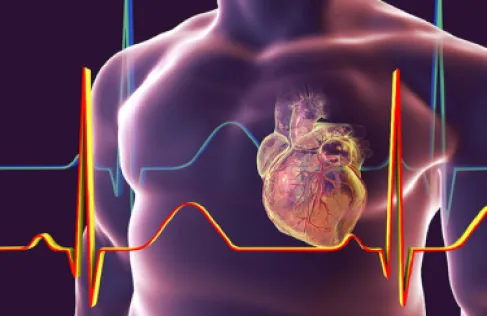
During certain sleep stages, especially deep sleep, heart rate and blood pressure decrease, giving the heart and blood vessels a chance to rest and recover.
This natural decline contributes to reducing the risk of long-term heart disease and clearly demonstrates the importance of sleep for cardiovascular health.
Repairing muscles and tissues
If you engage in sports or physical exertion, sleep is the time when your body starts repairing damaged muscles and building new tissue. Growth hormone is secreted in greater amounts during deep sleep, supporting the recovery process.
For this reason, sleep is considered an essential part of any fitness program or performance improvement regimen.
Passing through different sleep stages
To more precisely understand what happens during sleep, it’s important to know that sleep is not a single continuous state, but consists of several sleep stages:
Light stage: The body starts to relax, and breathing slows down.
Medium sleep: Body temperature drops and brain activity gradually decreases.
Deep sleep: An important stage for body repair and energy restoration.
Rapid Eye Movement (REM) stage: Dreaming occurs, and the brain is highly active.
Each stage plays a vital role, and any disruption in them can affect the overall quality of sleep.
Processing emotions and regulating mood
Sleep not only affects the physical body but also plays a significant role in emotional balance. During the dreaming stage, the brain processes emotions and daily experiences, which helps reduce stress and improve mood.
Lack of sleep can lead to irritability, quick temper, and difficulty handling daily stress, underscoring the strong connection between sleep and mental health.
Supporting skin health
What you may not expect is that sleep even affects your skin's appearance. During sleep, the cell renewal process increases, and blood flow to the skin improves, giving the skin a more radiant look.
Lack of sleep can lead to pale skin, dark circles, and signs of fatigue.
Fully recharging energy
Although the body appears still during sleep, it is actually performing complex processes to recharge energy. Awakening after sufficient sleep, you feel energized and capable of concentrating, clearly showing the importance of sleep in supporting daily performance.
How many hours do we need?
Sleep needs vary by age, but most adults need between 7 to 9 hours daily. What matters is not just the number of hours but the quality and regularity of sleep.