Khaberni - Spanish cardiologist José Abellán confirms that some natural alternatives can effectively contribute to lowering cholesterol, indicating that the impact of healthy eating and exercise can sometimes approach that of strong medications used for this purpose.
In a segment published on his YouTube channel, Abellán explained that statin medications are among the most commonly used means to lower harmful cholesterol (LDL) and reduce the risk of heart disease, but they are not always the only option.
He added, "For those who do not have a direct medical indication for their use, or who prefer to avoid them, there are natural alternatives supported by scientific evidence."
The specialist believes that a healthy lifestyle plays a pivotal role in controlling cholesterol, and may sometimes surpass some medications. He says, "A plant-based diet along with regular aerobic exercise not only improves cholesterol levels but also enhances its quality without side effects."
Among the options Abellán refers to are foods rich in soluble fiber, which can reduce harmful cholesterol by up to 25% according to scientific studies. He also mentions the natural compound berberine, which works in a mechanism similar to some modern medications used to lower fat.
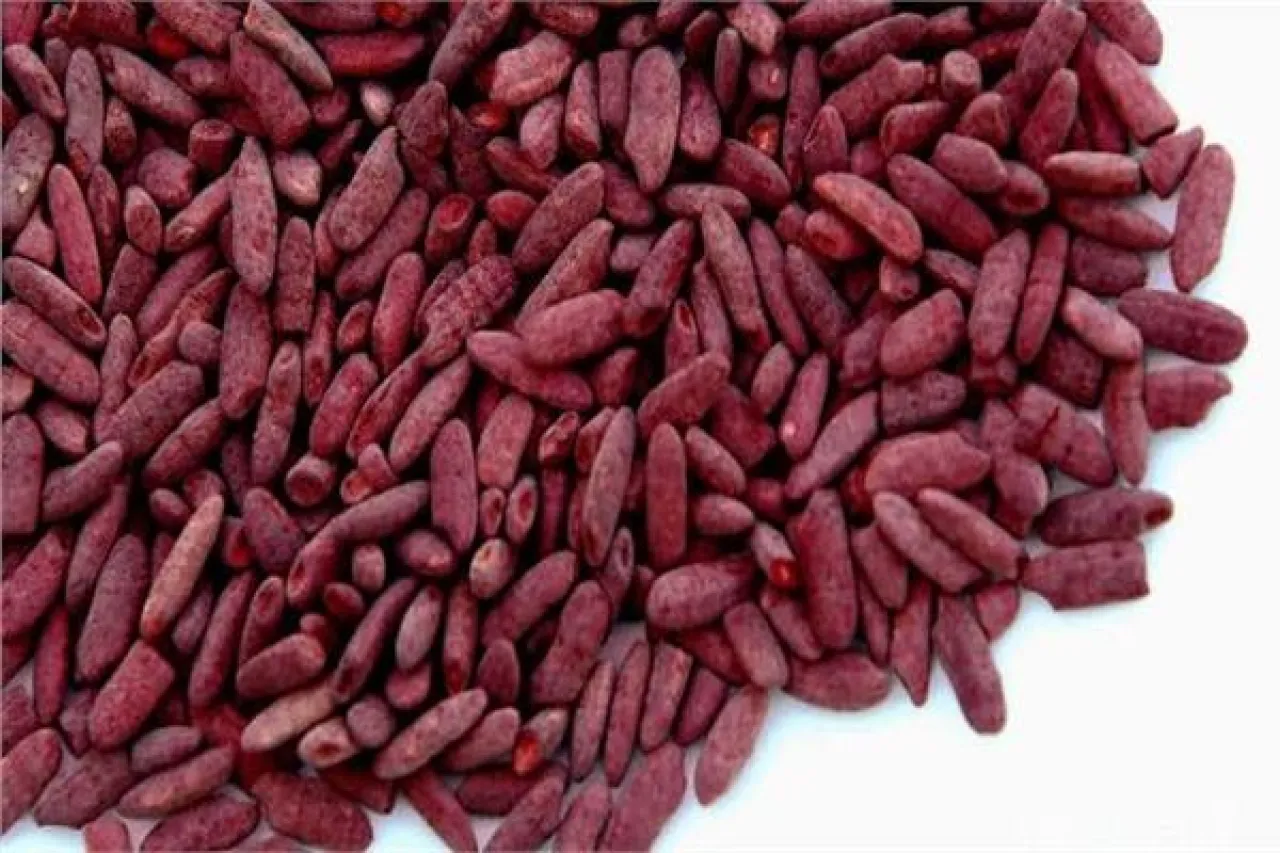
He also talks about plant sterols that reduce cholesterol absorption in the intestines, in addition to "red yeast rice" which contains a compound called "monacolin K," a substance that works similarly to statin medications, and may help reduce cholesterol by between 15% and 20%.
This yeast is extracted by fermenting white rice with the fungus Monascus purpureus, and has been traditionally used in China, becoming today a popular dietary supplement to help reduce harmful cholesterol and triglycerides.
However, Abellán emphasizes the importance of consulting a physician before taking it, especially at high doses of "monacolin K", as it may cause side effects similar to some statin medications such as stomach disturbances, heartburn, gas, headaches, and dizziness.
He concludes by saying: "The message is not to reject necessary medical treatments, but to realize that our daily lifestyle gives us powerful tools to improve heart health."