Khaberni - The United Nations Conference on Trade and Development (UNCTAD) expressed its concern on Tuesday about the repercussions of the disruption of navigation in the Strait of Hormuz on sectors like energy and fertilizers that might severely affect developing countries.
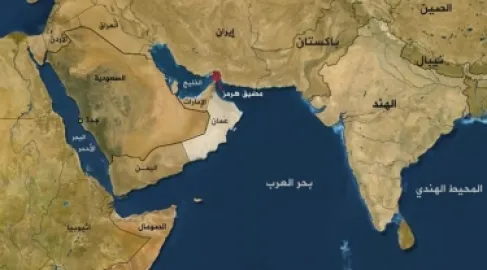
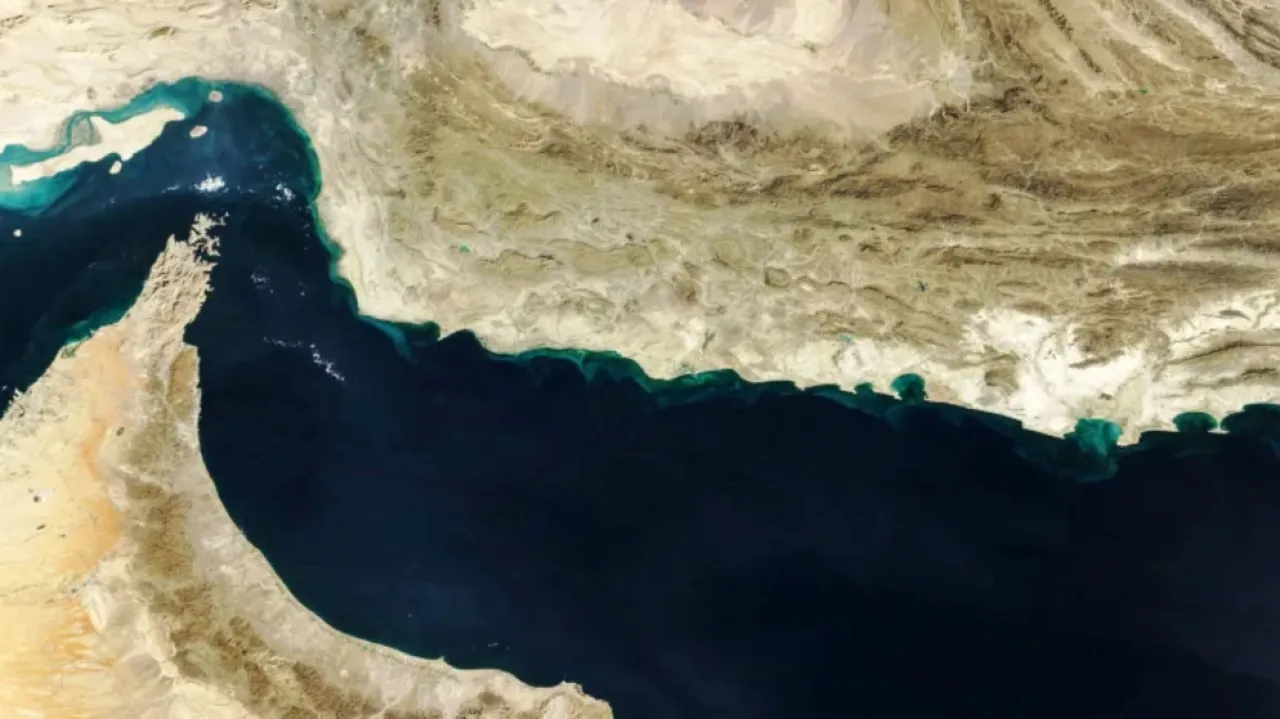
Since the United States and Israel launched an attack on Iran on February 28, the Revolutionary Guard has been hindering the movement of ships in the Strait of Hormuz, which is a vital corridor for global trade, with a quarter of oil supplies and a fifth of liquefied natural gas supplies passing through it.
The situation raises "concerns about its implications on energy markets, maritime transport, and global supply chains," according to a report issued on Tuesday by UNCTAD.
In addition to the rise in oil prices in global markets, "the cost of shipping in oil tankers and the premiums for war risk insurance are sharply increasing, as is the cost of marine fuel, which raises transportation costs," according to the UN agency.
About a third of the global supply of fertilizers transported by sea (about 16 million tons) passes through the Strait of Hormuz, "raising concerns about some of the poorest countries lacking fertilizers."
The conference added that "developing economies are particularly vulnerable, given their limited capacity to absorb new shocks arising from prices due to high debt levels and rising borrowing interest rates."
During a media briefing in Geneva, an official from the World Food Programme warned of "a new turning point in the history of global supply chains, with implications on the economy, food security, and humanitarian aid," likening the situation to what was prevalent at the start of the COVID-19 pandemic or the Russian-Ukrainian war in 2022.