Khaberni - Medical studies indicate that dietary fiber is among the most important components of a healthy diet, playing a role in supporting digestive health, regulating blood sugar levels, and reducing the risk of heart disease and certain types of cancer.
Fiber is a type of carbohydrate that the body cannot digest. While most carbohydrates are digested into sugar molecules called glucose, fiber is not digested into sugar molecules; rather, it passes through the body undigested. Fiber helps regulate the body's use of sugars, helping to control hunger and blood sugar levels.
Children and adults need at least 25 to 35 grams of fiber daily to maintain good health, but for example, most Americans only get about 15 grams a day. Some of the best sources of fiber are whole grains, whole fruits and vegetables, legumes, and nuts.
The German website Apotheken.de, the official portal for pharmacists in Germany, states that regular consumption of fiber achieves a range of important health benefits, especially when included as part of a balanced diet.
Multiple Health Benefits
Enhancing Gut Health
Dietary fiber nourishes the beneficial bacteria in the intestines, helping to maintain a balance of the gut microbiome. It also absorbs water and increases stool bulk, which facilitates bowel movement and prevents constipation. Research suggests that gut health affects not only digestion but is also linked to immune function and overall health.
Aiding in Weight Control
Eating foods high in fiber can keep you feeling full for longer because they slow down the stomach emptying process. This leads to reduced desire to eat between meals, which can support weight control without the need for strict diets.
Regulating Blood Sugar Levels
Fiber slows the absorption of sugar into the bloodstream, reducing rapid spikes in glucose levels. According to studies published by the World Health Organization, a diet rich in fiber may reduce the risk of developing type 2 diabetes, especially among people with insulin resistance.
Supporting Heart Health
Soluble fiber binds with bile acids in the intestines and helps eliminate them, contributing to lower levels of harmful cholesterol in the blood.
The American Heart Association notes that diets rich in fiber are linked to a lower risk of heart and vascular diseases.
Preventing Certain Types of Cancer
Epidemiological studies show that adequate intake of fiber may reduce the risk of colon and rectal cancer, and some research suggests a potential protective effect against breast cancer.
Recommended Daily Amount
The German Nutrition Society recommends that adults consume at least 30 grams of dietary fiber daily. However, many fail to reach this amount due to reliance on processed foods low in fiber.
Main Sources of Fiber
Fiber can be obtained from a wide range of natural foods, including:
- Fruits: such as apples, bananas, berries, and avocados.
- Vegetables: such as broccoli, carrots, spinach, and sweet potatoes.
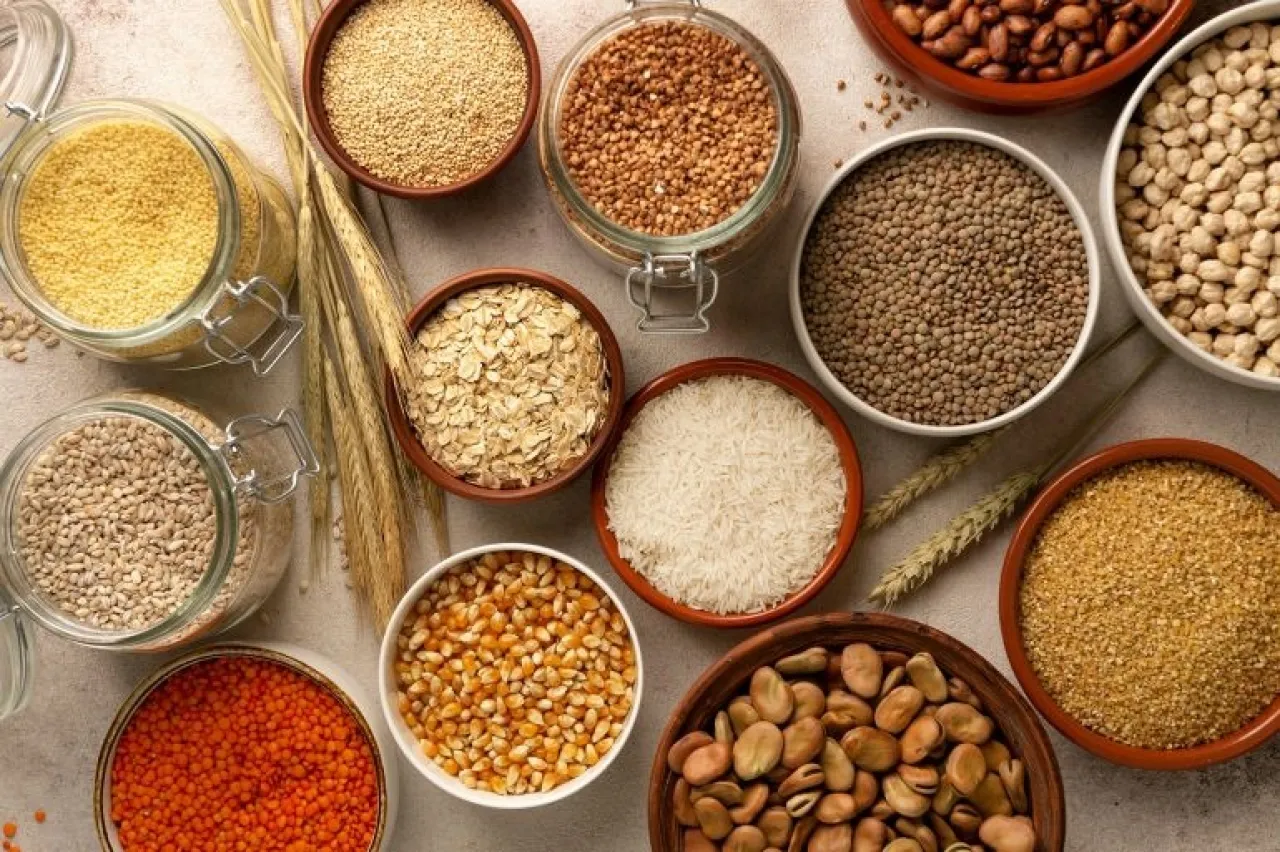
- Whole grains: such as oats, whole wheat bread, and brown rice.
- Legumes: such as lentils, chickpeas, beans, and peas.
- Nuts and seeds: such as almonds, chia seeds, and flax seeds.
Nutrition experts recommend gradually increasing fiber intake along with drinking sufficient amounts of water, to avoid digestive disorders and maximize the health benefits.