Khaberni - A leaked intelligence document issued by the Analysis and Evaluation Administration of the Sudanese General Intelligence Service reveals increasing concerns within security institutions regarding the impact of the political rhetoric of some Islamic groups on the country's regional relations, especially with Gulf states.
According to the document, published by uknip, authorities are closely monitoring recent political statements and positions made by members of the Islamic Movement, some of which clearly support Iran amidst ongoing regional escalation.
Intelligence assessments warn that the continuation of this rhetoric could put Sudan in a delicate diplomatic position, creating an impression among some countries that Khartoum sides with one of the regional conflict parties.
The report indicates that this political rhetoric has been widely circulated through media and social networking platforms, amplifying its international impact and facilitating external actors’ portrayal of Sudan as politically and diplomatically leaning towards the Iranian axis.
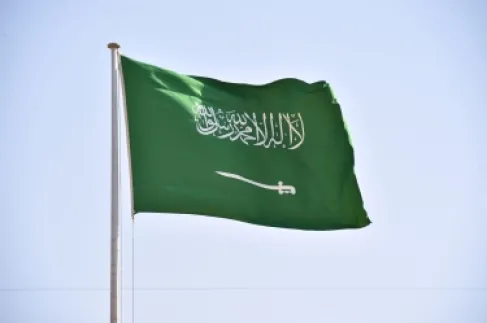
Saudi Arabia and Qatar
The document also notes that many countries in the region, particularly Saudi Arabia and Qatar, are closely following political developments within Sudan, especially statements issued by political groups believed to be linked to the Iranian axis. Intelligence estimates suggest that these developments might prompt some Gulf capitals to reconsider their level of economic and financial support currently provided to Sudan.
In light of these concerns, the report recommends urgent diplomatic engagement through official channels with Riyadh and Doha to clarify Sudan's official stance and reaffirm that the statements from some political factions do not represent the government's foreign policy.
The report emphasizes that maintaining stable relations with Gulf countries is essential for supporting Sudan's economic and political stability during the upcoming period.
The leaked intelligence document also reveals internal discussions within state institutions about securing urgent alternatives for military funding and arms purchases following the disruption of Iranian military supplies due to escalating regional conflict.
According to the document, the continuation of field operations requires diversifying sources of military and logistical support to avoid reliance on any single regional or international partner. The intelligence report recommends swift actions to secure alternative sources for weapons and military funding to ensure the continuity of operations and prevent disruptions caused by supply line stoppages.
Intelligence assessments mentioned in the document warn that relying on a single external source for military support poses a significant strategic risk amid rapidly changing regional dynamics.
The report also calls for monitoring communication networks between some members of the Islamic Movement and Iranian entities, and recommends dismantling any direct channels that could undermine Sudan's independence in national decision-making or expose the country to further diplomatic and political pressures internationally.
Impact of the U.S. Escalation
These recommendations are part of a broader strategic assessment prepared by Sudanese intelligence agencies concerning the repercussions of the escalating military confrontation between the United States and Iran and its direct effects on the political and military landscape in Sudan.
The document indicates that Sudan is currently facing a complex strategic situation due to noticeable contradictions between the state's official diplomatic approach and political statements that can internationally be interpreted as siding with the Iranian axis.
According to intelligence assessments, the confrontation between Washington and Tehran has disrupted military supply routes previously relied upon by some Sudanese institutions, affecting logistical capabilities within the Sudanese Armed Forces.
At the same time, security agencies have noticed a decline in some forms of external financial support, as regional actors become more cautious about Sudan’s involvement in broader geopolitical competitions.
The report also points to increased international media interest in Sudan following the spread of videos showing members of the Islamic Movement expressing their support for Iran.
The report notes that these materials have been used by foreign media and research institutions to depict Sudan as a potential platform for Iranian influence in Africa, an image that might subject the country to increased political and diplomatic pressures in the near future.