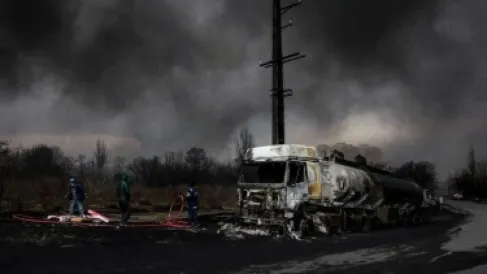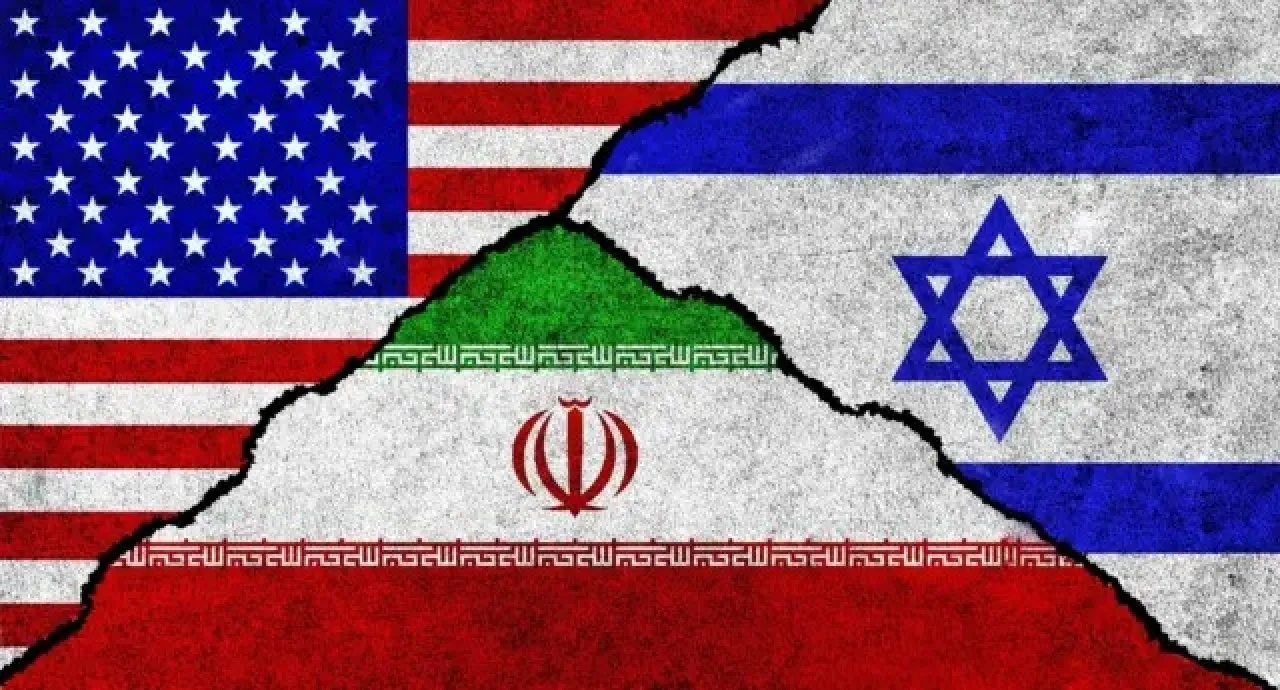
In the midst of the recent military escalation between Washington and Tehran, America's allies in the Arabian Gulf find themselves in a very difficult position. While the United States decided to launch a broad attack on Iran from its bases spread throughout the region, it appears that the host countries for these bases were not consulted but were instead surprised to find themselves in the line of fire. With Iranian missiles falling on oil facilities and residential centers in Saudi Arabia, UAE, Kuwait, and Bahrain, a pressing question emerges: Will Washington pay compensation to these countries for the damages incurred from a war they did not request?
Gulf anger over lack of coordination
Consistent media reports revealed a state of frustration and anger about how successive American administrations have dealt with their allies in the Gulf. Following American attacks on Iranian sites over the past years, diplomatic sources told the Associated Press that the Gulf countries were "not informed beforehand" about the American military operations, despite some of these attacks being launched from bases on their territory.
This continual disregard for partners in the Gulf raises fundamental questions about the nature of the decades-long alliance. While the Gulf states provide logistical, intelligence support, and military bases for the American forces, they find themselves excluded from the decision-making circle when it comes to launching wars from their territories.
Notably, former Gulf officials have expressed their displeasure with this pattern of interaction. In previous press statements to Asharq Al-Awsat newspaper, Gulf diplomats noted that their countries have repeatedly warned of the dangers of military escalation with Iran without full coordination, cautioning that any confrontation would directly reflect on the security and stability of the region.
Who benefits and who pays the price?
While Washington tries to market its military operations as necessary "to deter Iran and protect American national security," the realities on the ground paint a different picture. In every round of escalation, the Gulf states are among the first to suffer, whether directly through missiles and drones falling on their land, or indirectly through decreased investments, disruptions in the oil markets, and damage to the tourism and aviation sectors.
American reports from the Associated Press and New York Times pointed out that Iran has developed its arsenal of missiles and drones to have increased precision in targeting deep into the Gulf states. This means that any future confrontation will place the region's critical infrastructure on the target list, especially oil and gas facilities and civilian airports.
What is more striking are Western reports that Washington "seemed to underestimate the risks faced by its Gulf allies, believing that American forces and Israel would be the primary targets for an Iranian response." This "underestimation" was practically translated by the Gulf states, which found themselves forced to deplete their defense stockpile to repel attacks they were not a part of.
Here, the most urgent question arises: Does the United States bear responsibility for the damages inflicted on Gulf states due to military operations launched from their territories without coordination?
Legally, this raises a complex debate on the principle of "liability for collateral damage" in international law. Even if Washington considers its military operations legitimate, the principle of "risk liability" imposes on it the burden of damages that occur to third countries as a result of wartime activities from their territories.
Interestingly, the United States has not yet given any clear indication of its readiness to compensate. On the contrary, it only provides additional military support to its allies, as if the problem is a lack of armament and not the nature of the American unilateral decisions that are dragging the region into war.
In contrast, questions are escal...