Khaberni - In the rapid digital landscape, algorithms of social media platforms are no longer just tools for content arrangement, but have evolved to become "contextual artificial intelligence" systems exceedingly sensitive to cultural and temporal changes. Ramadan represents the biggest challenge for these systems, causing a sharp shift in the "digital biological clock" of the users, which imposes a radical recalibration of display and targeting mechanisms on the algorithms.
Time Structuring
In Ramadan, algorithms abandon the traditional "single evening peak" model and shift to a "multiple probabilistic distribution" system. Based on "Data.ai" and "Think with Google" data for 2026, platforms program their systems to accommodate technical peak periods:
- "Practical afternoon period": two hours before Iftar, algorithms redirect search engines and discovery to focus on "service content", where cooking videos and recipes increase by up to 40%, relying on the "save for later" technology as a primary criterion for content success instead of likes.
Semantic Analysis and Understanding the "Ramadan Intent"
Social media platforms rely on neural linguistic models capable of understanding the "emotional context", as the algorithms do not only track keywords like "Ramadan" or "Iftar" but also conduct "seasonal sentiment analysis".
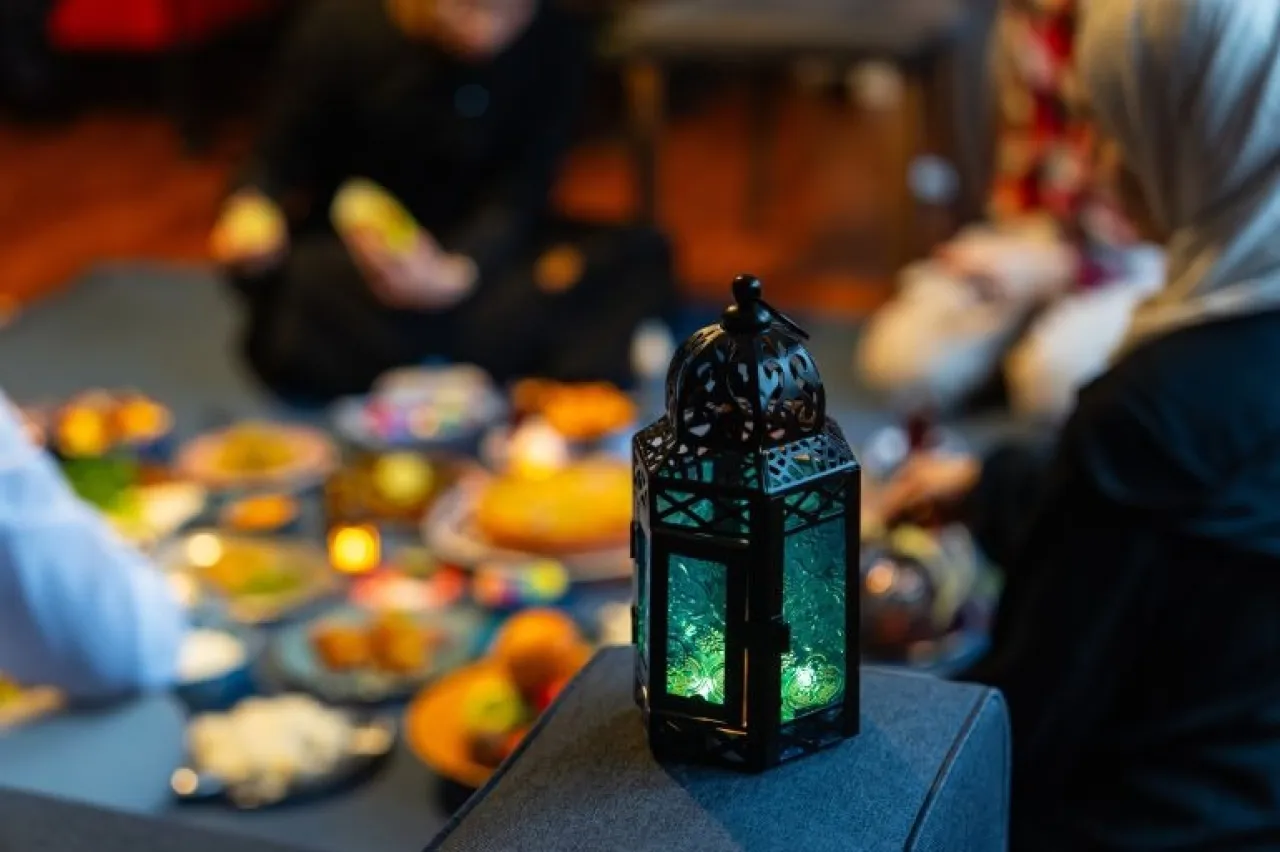
Once visual patterns related to the holy month such as decorations, family gatherings, or spiritual atmospheres are detected, the algorithm moves the account into a "temporary seasonal classification", which provides wider access to the content within similar interest groups and reduces the appearance of ads or content that may be considered "out-of-context" or disruptive during fasting times, thus enhancing user experience.
Predictive Social Commerce
Ramadan is the largest season for e-commerce, where algorithms work on a "proactive shopping" principle, using advanced collaborative filtering algorithms to predict Eid needs before they occur.
According to "Meta for Business" reports, algorithms start "warming up" user interests in the first ten days through "inspirational" content such as home decorations, then shift in the last ten days to "direct conversion algorithms" focusing on clothing and gifts. At this stage, "digital friction" is minimized so that products appear with immediate purchase options supported by artificial intelligence within the app.
This year, there has been a significant change in how the algorithm evaluates content quality in Ramadan, through:
- Completion rate: During fasting hours, the algorithm prefers short videos; because user attention is fragmented.
- Private engagement: For example, the X and Threads algorithm places great importance on content shared through private messages, considering it an indicator of "trust and reliability" in the context of congratulations and family communication.
Observers confirm that the algorithms of 2026 are not just mathematical equations, but have become digital entities that mimic human behavior and are influenced by it. They aim to succeed in reaching the audience during Ramadan, which does not require "repeated posting," but requires "content engineering" to match the pulse of the algorithm that now fasts and breaks fast with the user.