Planet Earth is currently witnessing a biodiversity crisis. Among the living organisms experiencing a decline in numbers are insects and spiders, which form a majority of the world's animal species and are of significant environmental and economic importance to human society, helping in pollination and biological pest control, and contributing to monitoring air and water quality.
Therefore, a recent study published in the Proceedings of the National Academy of Sciences highlights the need to assess, protect, and appreciate the value of insects and spiders, considering them a fundamental pillar for the health of the planet. The study also calls for understanding the factors affecting policies on the protection of insects and spiders.
Lead researchers in the study, Dr. Laura Figueroa and her graduate student Wes Walsh, reviewed the legal protection assessments for 99,312 known species of insects and spiders in North America and northern Mexico.
A Disrupted World
Among the known insects and spiders in the United States that are considered endangered, 94.7% are unprotected by any law, and there is no information about their status, while only 2.5% are nationally protected under the Federal Endangered Species Act. This contrasts with American birds, butterflies, and damselflies, which enjoy a greater percentage of legal protection.
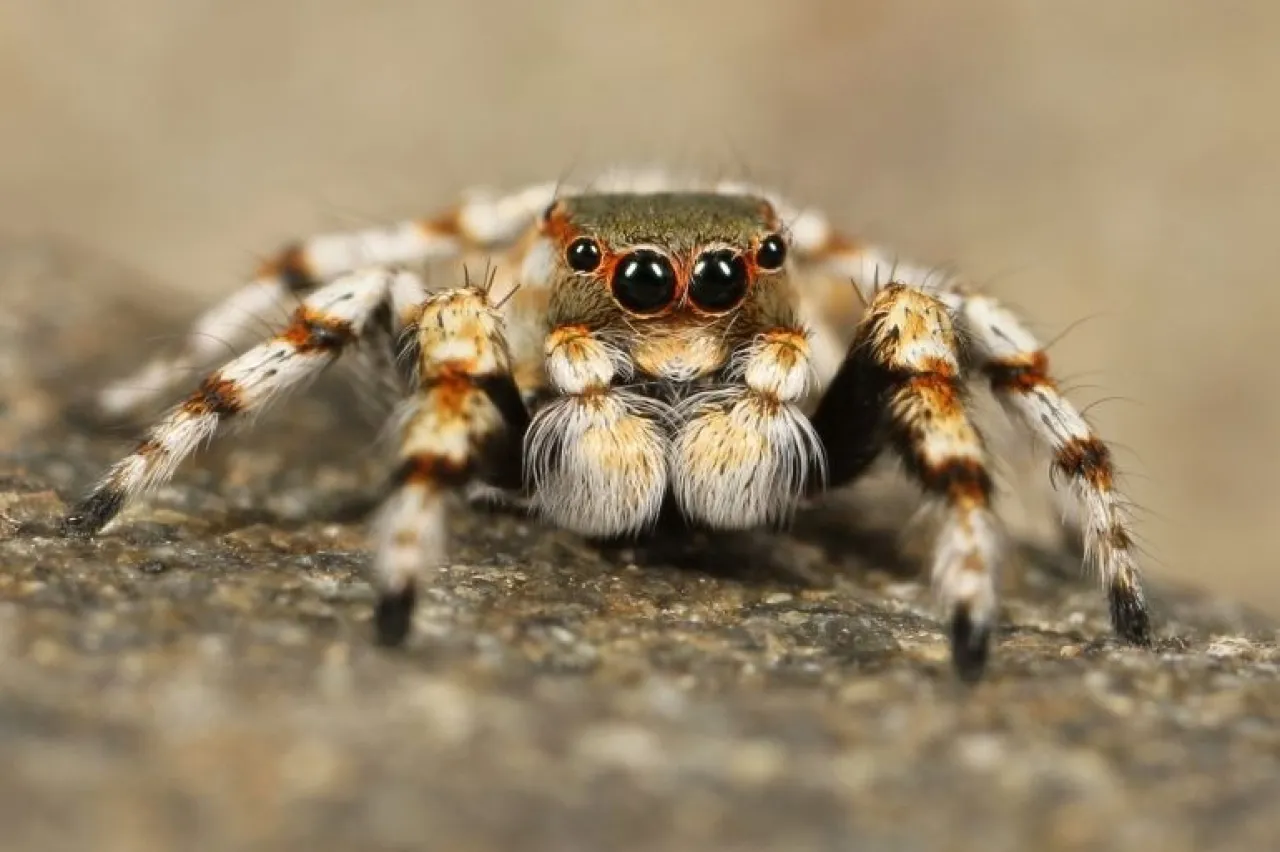
Wes Walsh from the Department of Environmental Conservation at the University of Massachusetts Amherst tells Al Jazeera that a world without spiders would be extremely disrupted. Globally, spiders consume between 400 and 800 million tons of prey annually; if they disappeared, we would likely see huge numbers of insects, including many agricultural pests and disease vectors, which would negatively impact human health.
Other animals also feed on spiders, so it is likely that birds, reptiles, amphibians, and mammals would also suffer. There could be unexpected consequences in the event of their disappearance; since spiders have not been much focused on in many conservation studies, we might not understand all the ways their disappearance would affect our world.
A Vital Role
Insects and spiders play crucial roles in our ecosystem. Insects pollinate plants, including food crop plants, and help in decomposing waste for the benefit of plants and other animals. Spiders are essential for pest control (both agricultural and disease-vector pests like mosquitoes).
Insects and spiders also serve as important food sources for other animals. Scientists use insects and spiders in environmental monitoring; for example, spider webs collect pollutants, allowing us to monitor pollution.
Insects and spiders have a significant impact on arts, culture, and human design. I have even seen computer algorithms designed to simulate how spiders that live in groups together accomplish complex tasks.
Not Just Scary Things
Walsh adds that evidence points to a decline in insect numbers over the past few decades, although these pieces of evidence have so far mainly been concentrated in North America and Europe, focusing on specific types of insects.
There have been local reports of declining spider numbers, and there are some types of spiders we know are endangered, but we lack long-term data on overall spider numbers, so it's impossible to know if spiders generally are declining. I think this is the most important finding of this study; we know very little about the conservation status of most of these species.
Walsh, in his research field, is interested in how spiders and other arthropods respond to environmental changes and how our understanding of invertebrate behavior can improve conservation outcomes for these animals.
In particular, as Walsh mentions, spiders are completely absent from conservation efforts; most American states do not protect even one species, unlike bird conservation efforts, which have been much more successful.
Dr. Laura Figueroa in a press release published by the University of Massachusetts Amherst said: "Research shows that the best conservation efforts are achieved when there's a concerted effort by broad and diverse alliances. In the case of birds, efforts were combined from hunters, bird watchers, non-profits, and many other stakeholders to achieve a common goal."
The research team also discovered that states that heavily rely on extractive industries, such as mining, quarries, and the extraction of oil and gas, were less likely to protect insects or spiders, while states with a general focus more on the environment provided more protection for these species.
Walsh says that insects and spiders are not just scary things; they are much more important than that. We need to recognize their ecological importance, and that starts with gathering more data and considering them worth protecting.