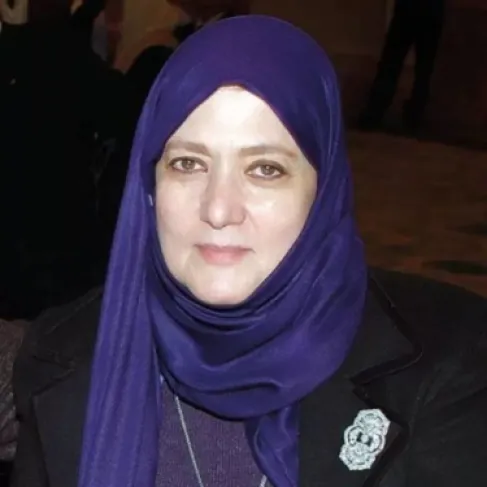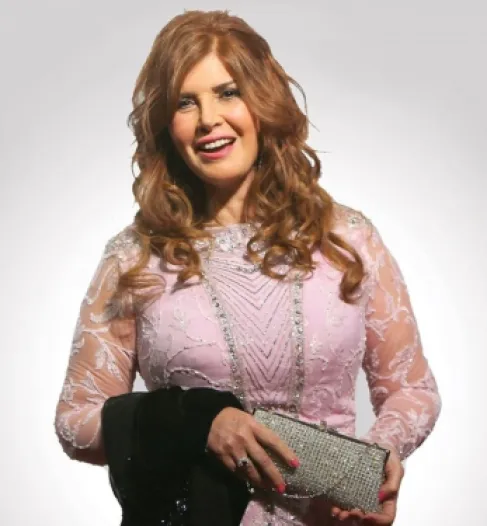
Khaberni - The Toronto Film Critics Association has experienced an unprecedented crisis after more than a third of its members resigned in protest against the deletion of a paragraph expressing solidarity with the Palestinian people from an acceptance speech made by Canadian Indigenous director and actress Elie Mayga Tailfeathers, during the association's 2025 award ceremony.
The story began with an apparently technical decision to cut part of a recorded video, but within days it escalated into a crisis of confidence within one of the most prominent film criticism organizations in Canada, culminating in the resignation of the association's president and sparking a broad debate about freedom of expression and censorship within cultural institutions.
Cutting the Palestine Paragraph
On March 2, 2026, during the awards ceremony, Tailfeathers won the award for Best Supporting Performance in a Canadian film for her role in "Sweet Angel Baby". She had sent a recorded acceptance speech to be played during the ceremony.
However, the version the audience saw was incomplete, as Tailfeathers later discovered that the part where she expressed her solidarity with the Palestinians had been deleted. In the full text published by "Exclaim", she said: "My heart is still with the Palestinian people who are going through this tragedy".
The artist accused the association of directly censoring her words, emphasizing that the deletion was done without her knowledge or consent. In a message to the association, details of which were reported by Canadian media and according to the "Vulture" website, she emphasized that neutrality in such moments "is a form of violence", and that refraining from taking a political stance is a stance in itself.
Tailfeivers announced she was returning the award, affirming the right of artists to express their positions, especially on humanitarian issues. This turned the matter from a modification in video duration to a test of the institution's commitment to freedom of expression.
Mass Resignations and the Departure of the Head of the Association
The association responded with an official statement saying the shortening of speeches was for organizational reasons related to timing the ceremony, and clarified that the decision to cut Tailfeiver's speech was a personal decision to keep the program on schedule.
However, this explanation did not convince a broad segment of the members. Many saw the "lack of time" excuse as unconvincing, especially as this practice was not common before. Soon, no less than 16 out of 46 members announced their resignations, including well-known critics in the Canadian cinematic community.
And with the widening wave of protests, the president of the association resigned in an attempt to contain the crisis, but the move neither stopped the bleeding of resignations nor quickly restored confidence in the organization.
Acrisis of Trust or a Pivotal Moment?
The crisis went beyond the limits of the association to transform into a broader debate in the Canadian cultural scene about how artistic institutions handle the political stances of artists, especially when it involves Palestine and sensitive international issues.
Critic Barry Hertz from "The Globe and Mail" believes that the decision to delete "undermined trust in the organization and the level of transparency it is supposed to offer", pointing out that modifying a winner's speech without her knowledge raises questions about decision-making processes.
Whereas critic Adam Nayman considered that the essence of the problem lies more in the absence of transparency than in the act of deletion itself, former film programmer Norm Wilner contradicted the values that cultural institutions claim to defend, saying that "defending artistic freedom of expression is incompatible with the censoring of an artist's speech at the moment of receiving an award".
Today, the Toronto Film Critics Association, founded in 1997 and whose awards are among the most prestigious in Canada, faces a real crisis of trust. Observers believe what started with the modification of a short paragraph in an artist's speech revealed a deeper division within the cultural scene concerning the relationship between art and politics and the ethical responsibilities of critical institutions towards freedom of expression.