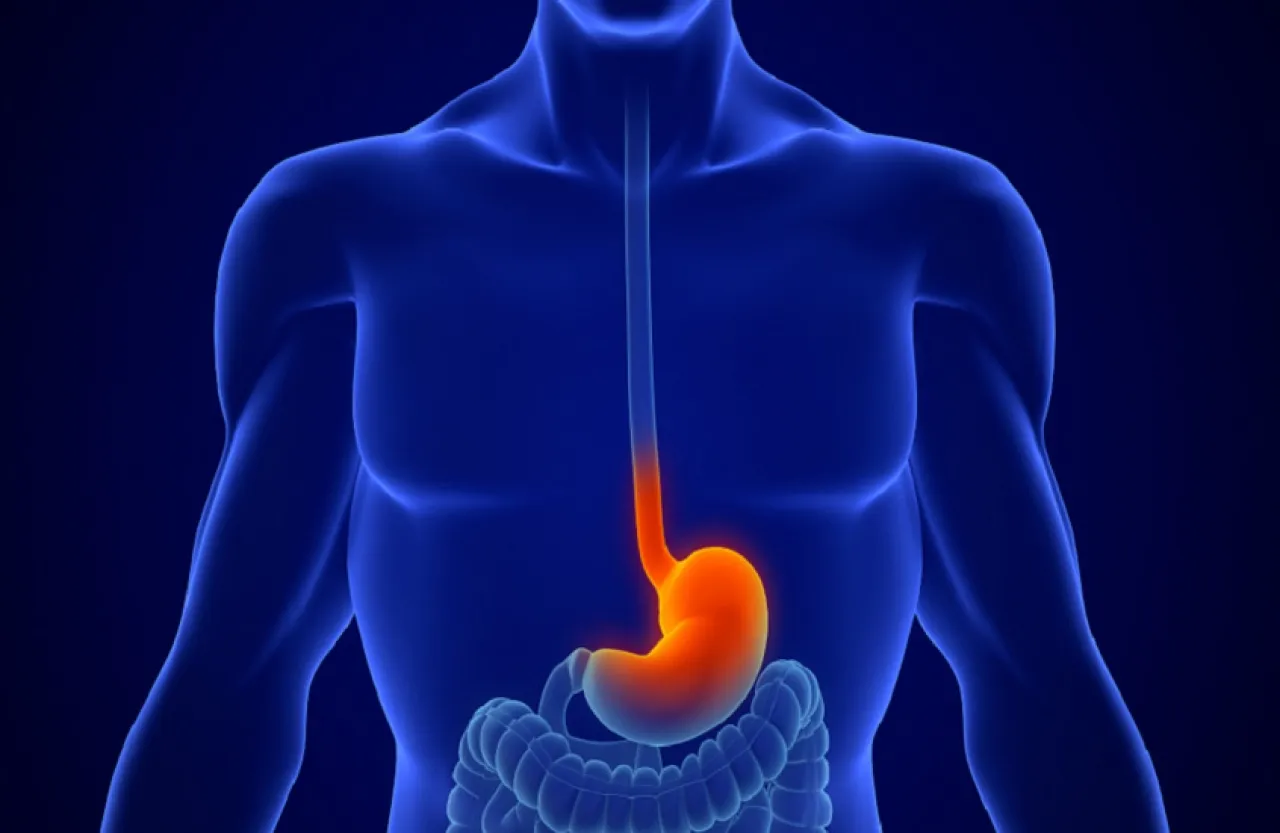
Khaberni - Today, the Family Health Care Institute discusses gastroesophageal reflux, providing readers with important advice on handling this digestive disorder, which may have worsened symptoms during Ramadan.
The institute's newsletter explains in scientific detail the nature of gastroesophageal reflux, the reasons for the increase in symptoms during Ramadan, and outlines some cases that require medical consultation before fasting.
Among the common diseases that may be affected by changing eating patterns during Ramadan is gastroesophageal reflux disease (GERD), a digestive disorder that occurs when stomach acid frequently flows back into the esophagus, causing irritation and discomfort. Changes in meal times and types during Ramadan can exacerbate symptoms if certain health precautions are not followed.
** What is gastroesophageal reflux disease?
Gastroesophageal reflux occurs when the lower esophageal sphincter does not function properly. This muscle acts as a valve between the stomach and the esophagus, and when it weakens or does not close completely, it allows stomach acid to flow back into the esophagus. Common symptoms of the disease include:
- Burning sensation in the chest (heartburn).
- Return of food or acid to the throat.
- Difficulty swallowing.
- Chronic cough.
- Acidic taste in the mouth.
- Bloating or discomfort after eating.
There are several factors that may increase reflux symptoms, such as eating large meals, fatty foods, caffeine, spicy foods, and lying down immediately after eating. During Ramadan, these factors may increase due to consuming large meals after long hours of fasting.
** Why might reflux symptoms increase during Ramadan?
Several lifestyle changes during Ramadan may increase gastroesophageal reflux symptoms, including:
1 - Eating large meals at iftar:
After long hours of fasting, many people tend to consume a large amount of food quickly, which stretches the stomach and increases pressure on the esophageal sphincter, thereby increasing the likelihood of acid reflux.
2 - Fatty and fried foods:
Traditional iftar meals often contain fried foods such as samosas and pastries. These fatty foods slow down the stomach emptying process and can cause the valve between the stomach and esophagus to relax, increasing the risk of reflux.
3 - Caffeinated beverages:
Coffee, tea, and carbonated drinks consumed after iftar can stimulate stomach acid secretion and increase heartburn symptoms.
4 - Eating late at night:
Eating large meals late at night and then sleeping immediately can lead to increased reflux, as lying down facilitates the rise of stomach acid to the esophagus.
5 - Insufficient water intake during the day:
Fasting for long hours can lead to reduced saliva secretion, which normally helps neutralize stomach acid.
** Medical tips for managing gastroesophageal reflux during Ramadan
Many people with reflux can fast comfortably if they follow certain dietary and health tips.
1 - Gradually breaking the fast:
It is better not to consume a large meal immediately at iftar. Start with drinking water and eating dates or light soup, then wait 10–15 minutes before eating the main meal. This helps the digestive system gradually adapt to the food.
2 - Avoid foods that cause heartburn:
It is advisable to reduce or avoid foods that can increase reflux symptoms such as:
- Fried foods.
- Spicy foods.
- High-fat meals.
- Chocolate.
- Carbonated drinks.
- Acidic juices.
- Tomato-based sauces.
- Excessive coffee and tea.
Instead, choose healthy foods like grilled chicken, fish, vegetables, whole grains, and low-fat dairy products.
3 - Eating small amounts of food
It is preferable to divide food between iftar and suhoor, perhaps having a healthy light snack between them. Small meals reduce the pressure on the stomach and decrease the likelihood of reflux.
4 - Drinking enough water:
It is important to drink enough water between iftar and suhoor. Gradually drinking water throughout the evening can improve digestion and reduce esophageal irritation.
5 - Avoid lying down after eating:
It is advised not to sleep immediately after iftar. It is better to wait two to three hours before sleeping to allow the digestive system to better process the food.
6 - Choosing an appropriate suhoor for reflux patients:
The suhoor meal should be light and balanced to avoid heartburn during the fasting hours. Suitable foods include:
- Oatmeal or whole bread.
- Yogurt or low-fat cheese.
- Bananas.
- Eggs.
- Low-fat cheese.
- Vegetables such as cucumber and lettuce.
It is best to avoid heavy, spicy, or fatty foods at suhoor.
7 - Maintaining an upright body posture after iftar:
Staying in a sitting position or taking a light walk after iftar helps improve digestion and reduces acid reflux. Light walking after iftar can also help the stomach empty its contents more quickly.
8 - Raising the head during sleep:
If a person suffers from reflux symptoms at night, raising the head by about 15–20 cm during sleep can help prevent acid from rising into the esophagus.
9 - Maintaining a healthy weight:
Weight gain can lead to increased abdominal pressure, exacerbating reflux symptoms. Ramadan can be an opportunity to improve eating habits and avoid excessive sweets and fried foods.
10 - Adherence to prescribed medications:
Some reflux patients need medications such as proton pump inhibitors or antacids. These medications should be taken according to the doctor's instructions. During Ramadan, the timing of medication may be adjusted to before suhoor or iftar.
** When should fasting be avoided?
Although most people with mild reflux can safely fast, some cases may need medical consultation before fasting, especially if symptoms such as:
- Severe chest pain.
- Severe difficulty swallowing.
- Frequent vomiting.
- Presence of blood in vomit or stool.
These symptoms may indicate complications that require medical evaluation.