Khaberni - Arab Bank continued its Ramadan community activities this year aimed at emphasizing the values of mutual support and community solidarity and providing support to the less fortunate during the holy month.
Employees of Arab Bank participated in Ramadan volunteer events in cooperation with Thareed Endowment with the aim of preparing and distributing food meals to the guests of the endowment. During the volunteer activities, the bank's employees prepared more than 2,600 hot meals over two days and distributed them to the guests of the endowment, in an atmosphere that reflects the spirit of volunteerism that the bank is keen to reinforce, especially during the holy month, which epitomizes the meanings of giving.
It should be noted that Arab Bank is one of the main supporters of Thareed Endowment, established in 2022 to achieve the noble goal of feeding people within the Hashemite Kingdom of Jordan by providing daily balanced and healthy meals. In the context of ongoing cooperation between Arab Bank and Thareed Endowment, the bank contributes approximately 52,000 meals this year to the needy, through carefully selected distribution centers, including a central site adjacent to the Hussein Mosque in central Amman that includes a distribution center, a kitchen, and a central warehouse to meet administrative and logistical needs.
Arab Bank adopts a comprehensive and integrated strategy in sustainability and social responsibility, reflecting its commitment to enhancing its economic, social, and environmental impact by working closely with various stakeholders to achieve sustainable development. The bank’s social responsibility program "Together" is one of the fruits of this approach, a multifaceted program based on contributing to the development and improvement of different areas of the community through various initiatives and activities that serve several sectors including health, poverty alleviation, environmental protection, education, support for orphans, and women empowerment.
Experts in Jerusalem and Hebron affairs warn that the continuation of these measures represents a clear violation of the freedom of worship and reflects an ongoing Zionist policy aimed at imposing increased restrictions on access to Islamic holy sites, especially during religious seasons that witness a wide attendance of worshippers.
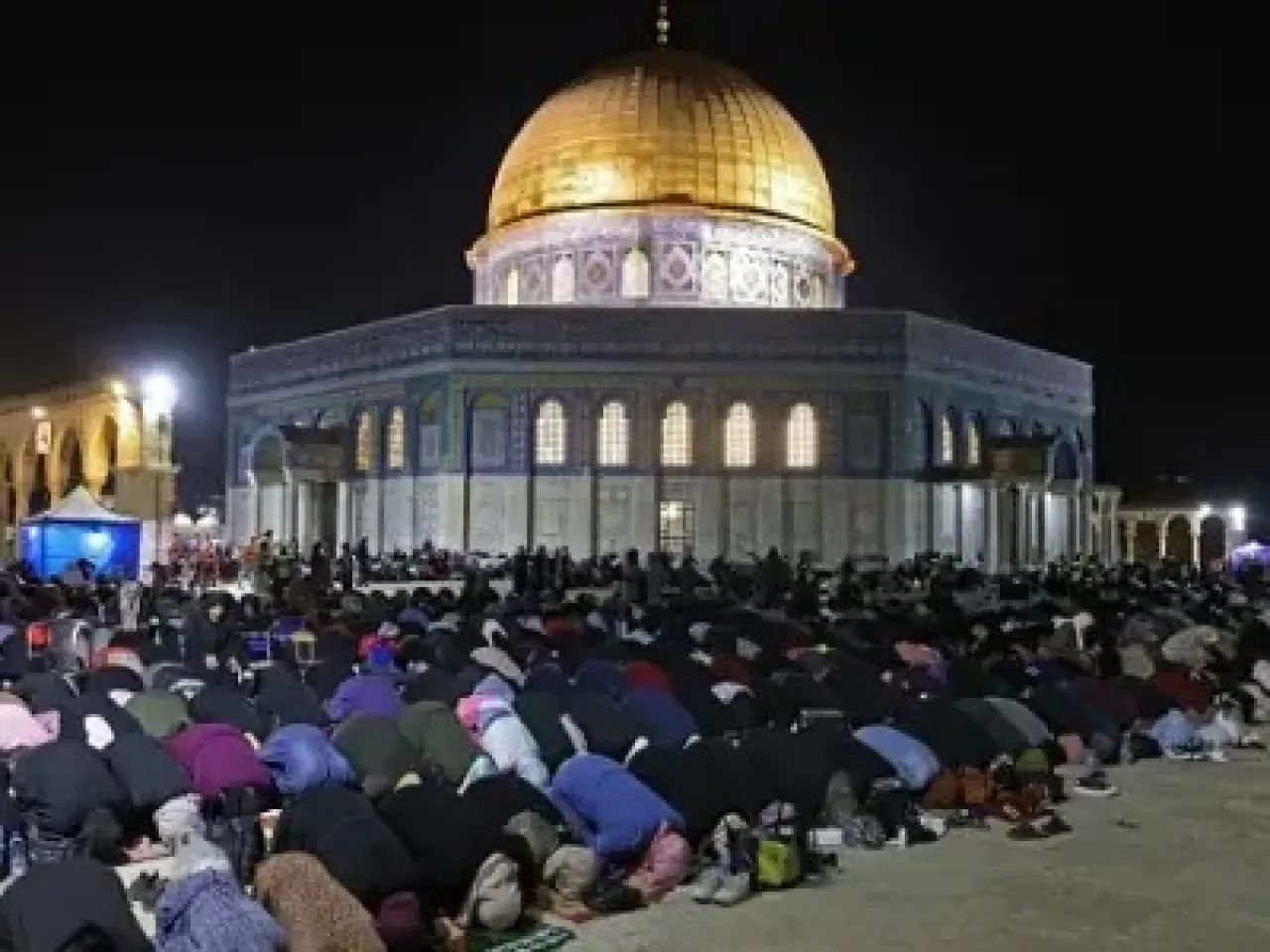
Al-Aqsa is sealed
Jerusalem affairs researcher Hassan Khater said that the stringent Israeli measures and the closure imposed on the city of Jerusalem will deprive thousands of worshippers from performing the last ten days of Ramadan prayers.
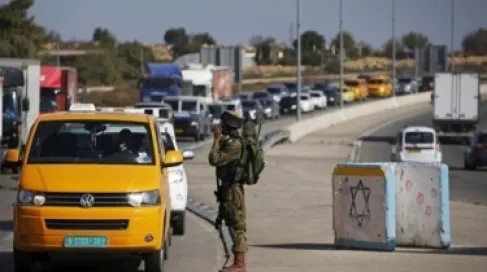
Khater explained that the occupying authorities imposed strict military and security restrictions at the entrances to Jerusalem and the old town, and closed Al-Aqsa Mosque, which effectively deprives thousands of worshippers from performing the Tahajjud and I'tikaf prayers in the last ten days of Ramadan, which are among the most important rituals that Muslims are keen to observe in Al-Aqsa Mosque.
Khater affirmed that Al-Aqsa Mosque usually witnesses a wide attendance during the last ten days of Ramadan, where tens of thousands of worshippers from various regions flock to revive the Tahajjud nights and seek Laylat al-Qadr.
He stated that what happens this year is within the context of an ongoing Israeli policy aimed at imposing a new reality in Al-Aqsa Mosque and limiting the Islamic presence in it.
Khater called upon international institutions and human rights bodies to intervene to stop these measures that violate freedom of worship and prevent Palestinians from accessing their sanctuaries.
He stressed that Al-Aqsa Mosque will remain an exclusive right to Muslims, and that attempts to restrict and close it will not succeed in breaking the connection of the Palestinian people with their sanctuaries.
Al-Ibrahimi Mosque closure after siege
The director of Al-Ibrahimi Mosque, Hafzi Abu Sneineh, said that the Israeli procedures and the closure of the mosque during the last days of Ramadan will deprive thousands of worshippers from performing the last ten days of prayers in the mosque, a step he sees as an infringement on the freedom of worship in one of the most prominent Islamic sanctuaries in Palestine.
Abu Sneineh explained that the occupying forces proceeded to close the doors of Al-Ibrahimi Mosque and prevented worshippers from reaching it, intensified their military measures around the mosque and the old town, which effectively disrupted the holding of Ramadan prayers and rituals inside it.
He indicated that these measures prevent worshippers from performing Tahajjud and I'tikaf prayers during the last ten days of Ramadan, which are among the most important nights that Muslims are keen to be present in mosques and revive the religious rituals.
Abu Sneineh noted that Al-Ibrahimi Mosque usually witnesses an influx of thousands of worshippers from the city of Hebron and various West Bank regions during these blessed days, but the Israeli restrictions and the imposed closure prevent their access to the mosque.
He pointed out that the Islamic Waqf staff face significant difficulties in accessing the mosque and managing its religious and administrative affairs due to the military restrictions imposed in the area.
He confirmed that the continued closure of Al-Ibrahimi Mosque during the last ten days of Ramadan constitutes an assault on the right of Muslims to practice their religious rites with freedom, and represents a clear violation of the historical and legal status of the mosque.
Abu Sneineh urged international institutions and human rights bodies to urgently intervene to stop these measures, and to pressure the occupying authorities to open Al-Ibrahimi Mosque to worshippers and enable them to perform their religious rituals.