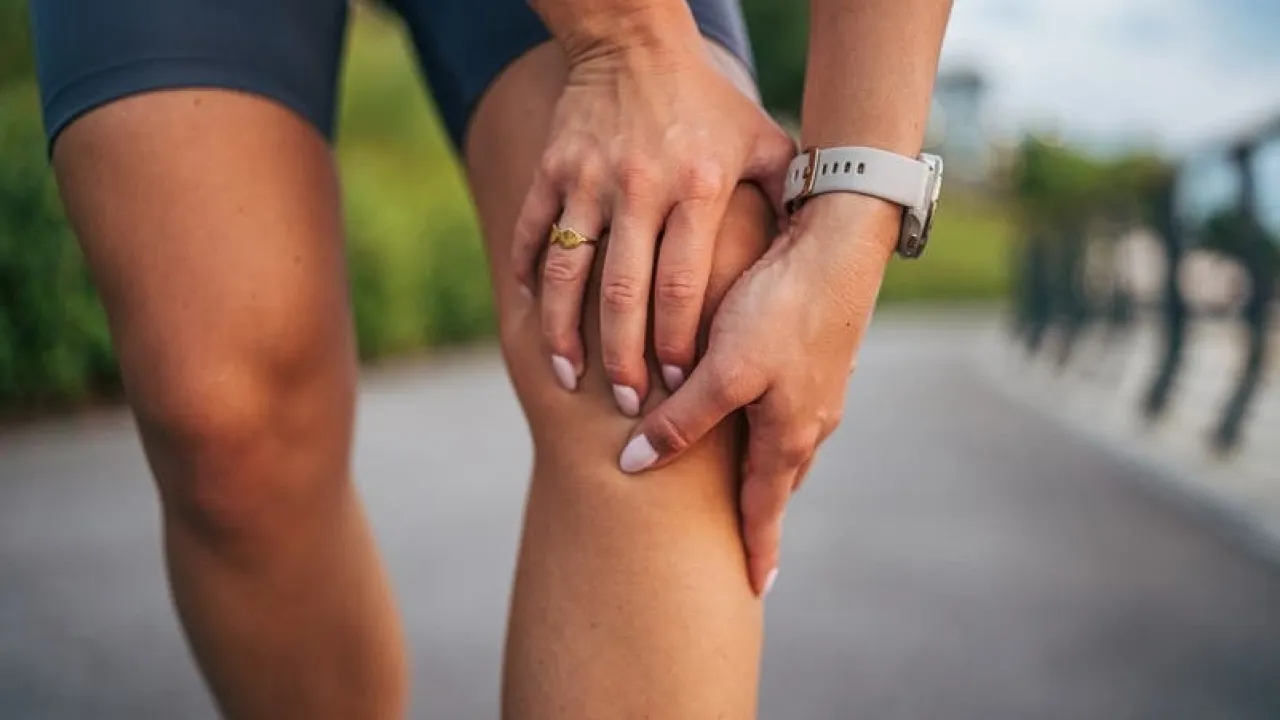
Khaberni - Knee pain and hip stiffness are treated by many as an "age tax," but experts confirm that dealing with osteoarthritis is still far from what research indicates. Instead of starting with simple and effective options, some patients are quickly pushed towards the path of recurring medications or even surgery, while absent from the treatment plan is what specialists describe as the most impactful and least costly; regular movement.
According to a report on the scientific site "ScienceDaily," osteoarthritis is the most common joint disease globally, currently affecting about 600 million people. With the increase in average lifespans, a decrease in physical activity, and rising obesity rates, researchers expect the number of affected individuals to approach one billion by 2050. Despite this huge burden, reports from several countries reveal that a large percentage of patients are not referred to exercise programs or physiotherapy, while others receive interventions not recommended by guidelines, and some may be presented to surgeons before exhausting non-surgical options.
The common notion is that osteoarthritis is just "mechanical wear and tear" over time, but this is a simplistic description. The joint operates as a living system with continuous breakdown and repair, and movement is an integral part of this balance.
The cartilage, which covers the ends of bones and reduces friction, does not have a direct blood supply, relying on movement to get nourishment.
When we walk or load the joint, the cartilage is gently compressed, pushing fluids outward, and then it reabsorbs them when the pressure subsides, carrying nutrients and lubricating substances.. In short, every step helps nourish the joint.
The disease does not only affect the cartilage but also extends to the joint fluid, the bone underneath the cartilage, ligaments, surrounding muscles, and even the nerves that regulate movement. Here lies the power of exercise as it treats multiple components at the same time; it strengthens supporting muscles, improves joint stability, enhances balance and movement quality, reduces pain, and improves daily activity performance.
Programs for neuromuscular exercises targeted at knee and hip osteoarthritis (often supervised by specialists and conducted in groups) have shown significant improvements in pain, function, and quality of life, and benefits may continue for months after the program ends.
Obesity and inflammation
Obesity is a significant risk factor, not only because it increases the load on joints, but because it is associated with elevated inflammatory molecules that may accelerate cartilage deterioration. Regular physical activity helps reduce inflammation markers and improve metabolism, which reflects on the health of the joints and the body as a whole.
There are no medications capable of radically altering the course of osteoarthritis, while replacement surgery may be useful for some cases but it is a major procedure and is not suitable for everyone. Therefore, experts emphasize that exercise should be the first line of treatment, and it should remain a consistent part of the care plan at all stages.
In conclusion, osteoarthritis is not a final verdict of deterioration. In many cases, improvement begins with a simple step; a regular movement and exercise program, designed safely and appropriately for the condition.