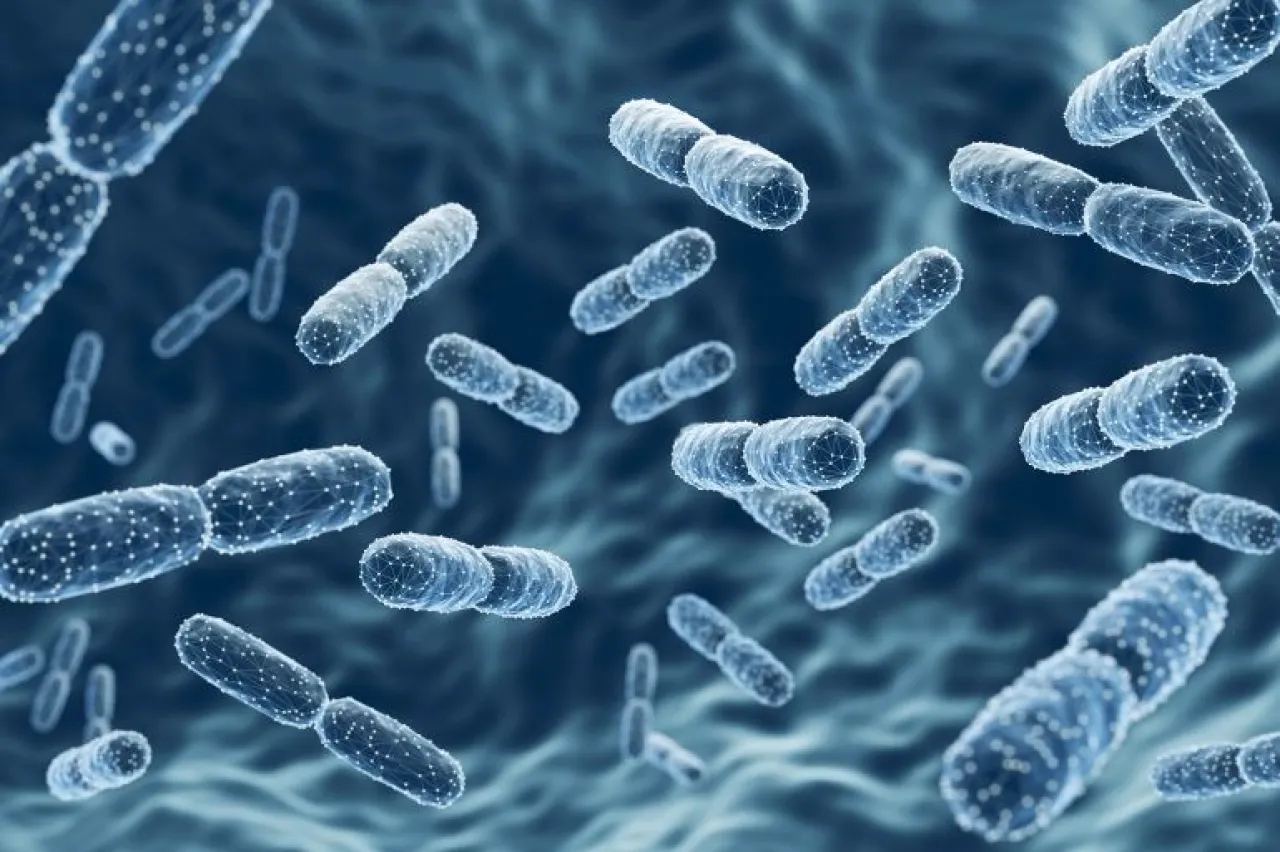
Khaberni - Results vary between confirmation and skepticism about the actual impact of Ramadan fasting on the distribution of microorganisms that colonize our digestive system, with some acknowledging the improvement the body has gained after fasting due to the rejuvenation of specifically beneficial bacteria. Others lean towards the belief that other factors such as the type of food, timing of meals, and their size play a role in the count of naturally occurring microorganisms in our guts (known as microbiota).
What is the relationship of the microbiota to our overall health?
The benefits of fasting on body health continue to unfold day by day. While some studies have acknowledged that Ramadan fasting has a positive impact on heart health, enhances metabolic processes, increases cell vitality, and detoxifies the body from pathogens and accumulated damaged cells by stimulating autophagy, other studies have suggested that fasting may also regulate the microbiota in our intestines, thus improving our health.
The bacteria in our intestines represent a vital source linked to various functions that enhance body health and play a key role in strengthening our immune barrier against various diseases, as well as being associated with immune, metabolic, neurological functions, and connected to the endocrine glands responsible for hormone production. Therefore, many who suffer from various health problems seek natural ways to restore the diverse and enriching composition of beneficial bacteria living within us.
Our intestines contain millions to trillions of microorganisms that grow and multiply within them to perform a set of pivotal and important functions for body health. They act as an immune shield against the proliferation of harmful bacteria, ensuring the required biological harmony. They also contribute to the development and maturation of the immune system, in addition to their roles in digesting food particles to supply the body with the energy it needs, among others.
Bacteria constitute about 90% of the total microorganisms living in the intestines, specifically within two main divisions: Bacteroidetes and Firmicutes. These bacteria often manage to maintain their natural proportion in the intestines due to their flexibility and ability to reproduce and restore balance anew, despite various factors they may be constantly exposed to, such as drinking chlorinated water, food enhancers, antibiotics, and various pollutants that we may ingest with food particles such as pesticides previously used on crops, heavy metals, and others, calling for the adoption of measures that maintain or even restore the biological communities of bacteria that live within us and that we may lose unintentionally.
Is fasting alone sufficient to enhance the microbiota in the intestines?
A scientific review published in the journal Current Research in Biotechnology in 2025, prepared by a group of researchers, pointed to the remarkable ability of fasting to increase the diversity of microbiota (specifically beneficial bacteria) in the intestines, and to enhance the growth of existing bacteria, resulting in a notable improvement in body health through their effect on metabolic indicators including lowering high blood pressure, regulating glucose and lipid levels, controlling body weight, and reducing inflammation rates.
In another study conducted by a group of researchers from the University of Chile, and published in the journal Nutrients in 2020, which included 12 healthy individuals who fasted during Ramadan, the researchers attempted to understand the impact of fasting on the bacteria that naturally live in the intestines, and how this reflects on body health compared to before and after Ramadan, especially the ratio of bacteria from Bacteroidetes to Firmicutes, which constitute the largest part of microorganisms in the intestines.
The results indicated a decrease in certain types of beneficial bacteria by the end of Ramadan, and after analysis, it turned out that the type of food consumed was one of the main causes of these changes, thus, according to this study, fasting alone is not sufficient to regulate the bacterial presence in the intestines, and selecting specific types of food is essential to gain the maximum benefit from fasting.
And numerous studies confirm that the type of food, its quantity, and meal times during Ramadan quickly affect metabolic processes and the balance of gut bacteria.
For example, the number of Faecalicatena bacteria decreased with a reduced intake of fiber, while the count of Coprococcus bacteria (which produce butyrate) increased with the consumption of plant proteins and foods rich in complex carbohydrates such as mushrooms, grains, and seaweeds, altering the distribution of bacteria in the intestines.
In a systematic review published in 2024 under the supervision of a group of researchers from the University of Eastern Finland and others, targeting the assessment of the impact of fasting on human intestinal microbiota, results were mixed and showed that fasting changes the bacterial diversity in the intestines by the end of the fasting period (after 29 or 30 days), possibly leading to an increase in the growth rate of certain types and a decrease in others.
However, such difference quickly reverts to its previous state after the end of Ramadan, indicating that it is a temporary change. Also, this review confirmed what the previous study suggested, that the diversity of microbiota in the intestines depends on various factors, most notably the diet followed after breaking the daily fast.
Also, a group of researchers from prestigious research centers in Germany found a positive result indicating that periodic fasting followed by a specific diet (they relied on a special diet for patients with high blood pressure) enhances the balance of intestinal bacteria, reflecting on the immune response, making patients feel significantly better with a reduction in blood pressure and maintaining it at nearly normal levels for longer periods. These positive results came exclusively after fasting followed by the diet, not the diet alone.
Between food and fasting, what is required?
Studies recommend more research to verify the actual and confirmed relationship between fasting and the microbiota, but until then, the golden recommendation to reap the maximum benefits from fasting and gain the greatest health benefits is to consider the components of the dishes that line up on our tables. Fruits and vegetables, along with legumes, whole grains, nuts, and seeds are recommended by studies due to their ability to support the growth of beneficial bacteria in the intestines and maintain their balance.