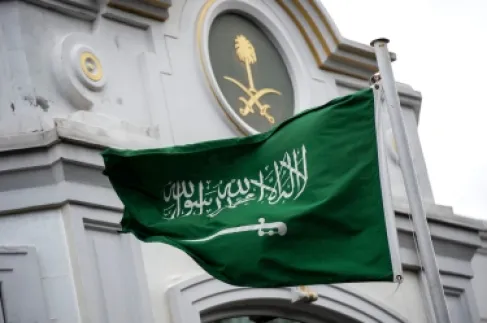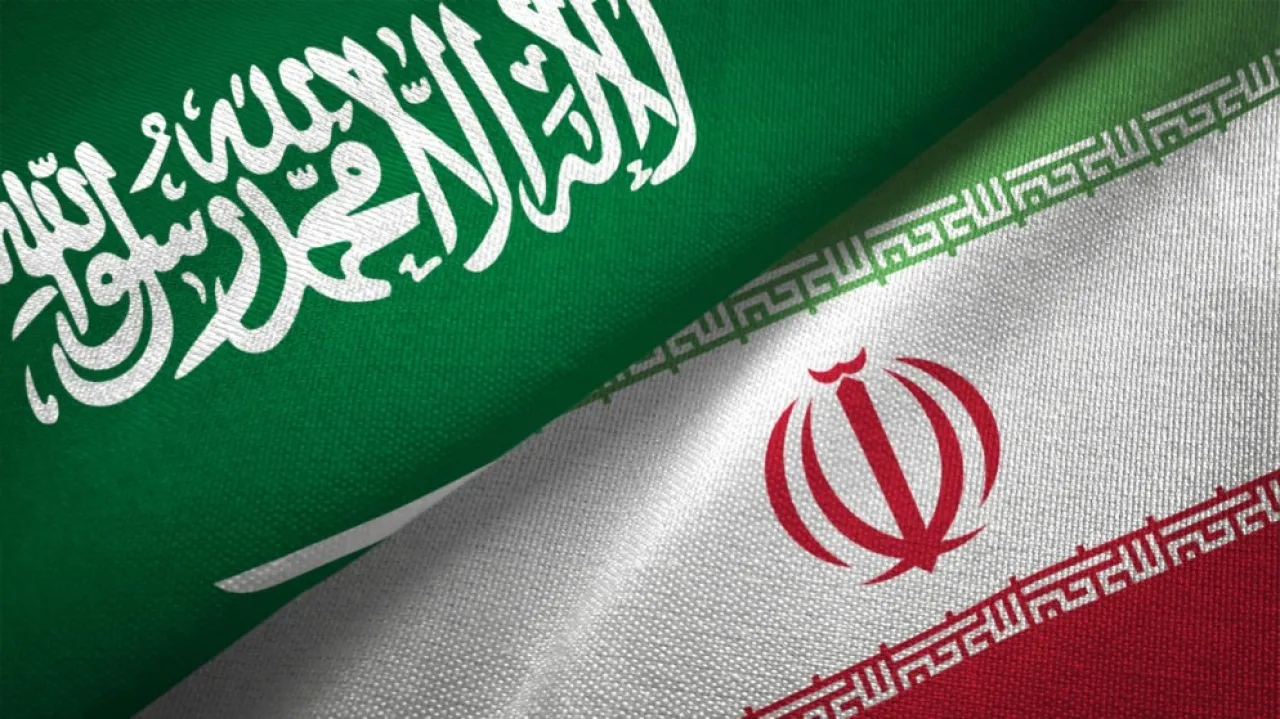
Khaberni - Reuters reported, quoting four informed sources, that Saudi Arabia has informed Tehran, despite its preference for a diplomatic resolution to the Iranian-American conflict, that the continuation of attacks on the kingdom and its energy sector may force Riyadh to retaliate in kind.
This warning came before a speech by Iranian President Masoud Bizshkian on Saturday, in which he apologized to neighboring Gulf states for Tehran's actions, in a clear attempt to ease regional anger over Iranian strikes targeting civilian sites.
The sources stated that Saudi Foreign Minister Prince Faisal bin Farhan spoke with his Iranian counterpart Abbas Araghchi two days before Bizshkian's speech, clarifying Riyadh's position clearly.
The sources quoted Prince Faisal as stating that Saudi Arabia is open to any form of mediation aimed at de-escalation and achieving settlement through negotiation, emphasizing that Riyadh and other Gulf states have not allowed the United States to use their airspace or territories to launch airstrikes on Iran.
The sources also quoted the minister as saying that if these Iranian attacks on Saudi territory or its energy infrastructure continue, Riyadh would be forced to allow American forces to use its bases there to carry out military operations.
He added that Riyadh will respond if attacks on vital energy facilities in the kingdom continue.
The sources mentioned that Saudi Arabia has maintained regular contact with Tehran through its ambassador since the start of the American and Israeli military campaign against Iran on February 28 following the collapse of negotiations regarding Iran's nuclear program.
Attacks on Gulf States
Last week, the UAE, Kuwait, Qatar, Bahrain, and Saudi Arabia were subjected to intense Iranian bombardment with drones and missiles.
Iranian Supreme Leader Ali Khamenei was killed on the first day of the war. Tehran responded by launching attacks on Israel and Gulf states, and Israel also launched an attack on Hezbollah in Lebanon.
Iranian Foreign Minister Abbas Araghchi said in an interview today, Saturday, that he is in constant communication with his Saudi counterpart and other Saudi officials, adding that Riyadh has reaffirmed its full commitment not to allow its territory, territorial waters, or airspace to be used to launch attacks on Iran.
Bizshkian indicated that the Interim Leadership Council in Iran agreed to suspend attacks on neighboring countries, unless Iran is attacked from those countries.
He added: "I personally apologize to the neighboring countries affected by Iran's actions."
It remains unclear to what extent Bizshkian's comments reflect a change in stance. News on Saturday also reported other attacks on Gulf states.
Indicating possible divisions within the Iranian leadership, the Supreme Headquarters of Khatam al-Anbiya, the unified combat command of the Iranian Armed Forces, stated later that US and Israeli military bases and assets throughout the region will remain targets.
The command added that the Iranian Armed Forces respect the sovereignty and interests of neighboring countries, and that it has not taken any action against them so far. However, the command affirmed that the land, sea, and air military bases and assets of the US and Israel throughout the region would be treated as primary targets and would be subject to "strong and intensive" attacks from the Iranian forces.
US President Donald Trump wrote in a social media post that Iran "apologized and submitted to its neighbors in the Middle East, and promised not to shoot at them anymore. This pledge was only made because of the ongoing American and Israeli attack."
Two Iranian sources confirmed a phone call in which Riyadh warned Tehran against launching attacks on the kingdom and neighboring Gulf states.
They added that Iran reiterated its stance that the strikes do not target Gulf states themselves, but rather target US interests and military bases located there.
An Iranian source said that Tehran has requested in response the closure of US bases in the region and some Gulf states to stop sharing intelligence information with Washington, which Iran believes is used to launch attacks against it.
An additional Iranian source stated that several military leaders are pushing for the continuation of the strikes, accusing the United States of using bases in Gulf states, as well as their airspace, to carry out operations on Iran.