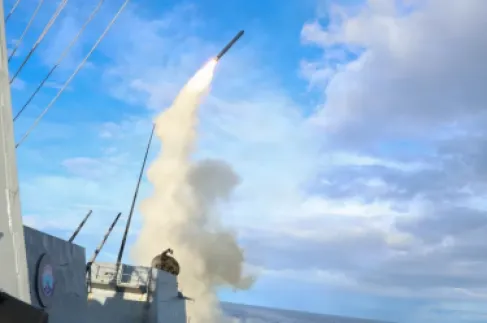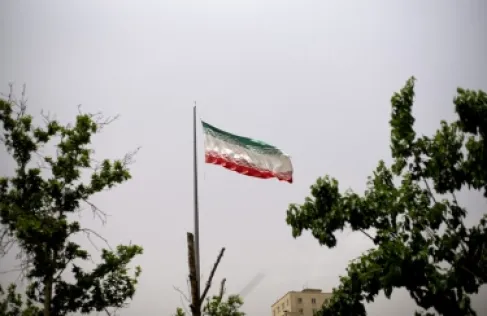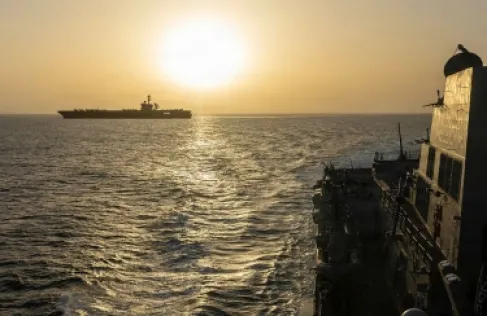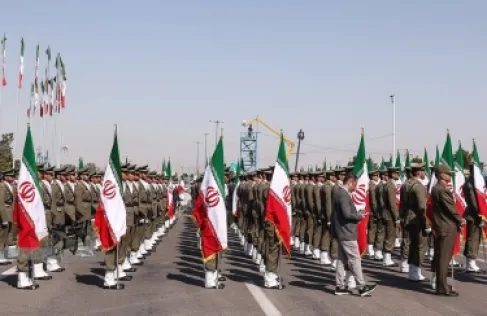
Khaberni - In a move described as a "shock" to allies, the United States launched a broad attack on Iran from its bases scattered across the Arabian Gulf region, without prior coordination with the host countries of these bases, and although the Gulf Cooperation Council countries are the most at risk in any military confrontation between Washington and Tehran, the American decision was made unilaterally, burdening them with consequences they were not part of planning for, and indeed, as expected, these countries turned into legitimate targets for Iranian responses, where Iranian missiles and drones targeted vital facilities in Saudi Arabia, the UAE, Kuwait, and Bahrain, and after weeks of escalation, the question arises strongly: Will Washington pay compensation to the Gulf states for the damages they incurred? And how does the US administration justify the lack of coordination with its partners before the attack that put them in the line of fire?
Gulf Shock and Washington's Justifications
The "Washington Post" revealed in a detailed report that President Donald Trump decided to attack Iran and assassinate its leader Ali Khamenei after weeks of pressure from America's allies in the Middle East, including Saudi Arabia and Israel. However, the irony is that these very countries were surprised by the timing and scale of the attack, and that their territories would be launching pads for the attacks without prior notification. The newspaper quoted four informed officials that Crown Prince Mohammed bin Salman of Saudi Arabia had made several phone calls with Trump over the past month, warning that Iran would emerge stronger and more dangerous if the United States did not launch an attack. However, Riyadh issued a statement before the attack confirming that it would not allow using its airspace or territory to strike Iran.
This contradiction between the public stance and the background pressures reflects a state of confusion in the US-Gulf relations, where sources informed to "Politico" website that the White House provides few assurances regarding compliance with de-escalation advice, and that at least three Gulf countries tried to dissuade Washington from the attack but the public harsh rhetoric of Trump, let alone his continuous redirecting of troops and military pieces towards the Gulf, corners him to the extent that some kind of strikes against Iran seems inevitable.
Regarding Washington's justifications for the lack of coordination, political and security affairs analyst Rashid Al-Muhannadi sees in his talk to Al Jazeera that what happened represents a shock to the Gulf states that sought to prevent the outbreak of the confrontation, pointing out that the Trump administration might have seen that notifying allies in advance could expose the operation to leaks or put them in a politically embarrassing situation with their people, according to Al Jazeera as well, the head of Al-Madar Center for Political Studies, Dr. Saleh Al-Mutairi described the Iranian discourse as representing the peak of contradiction when Iran claims it targets only American interests, emphasizing that the Gulf states were not supportive of targeting Iran, as they supported the negotiation process and advised the US administration not to expand the confrontation.
Unprecedented Depletion of Air Defense Inventories
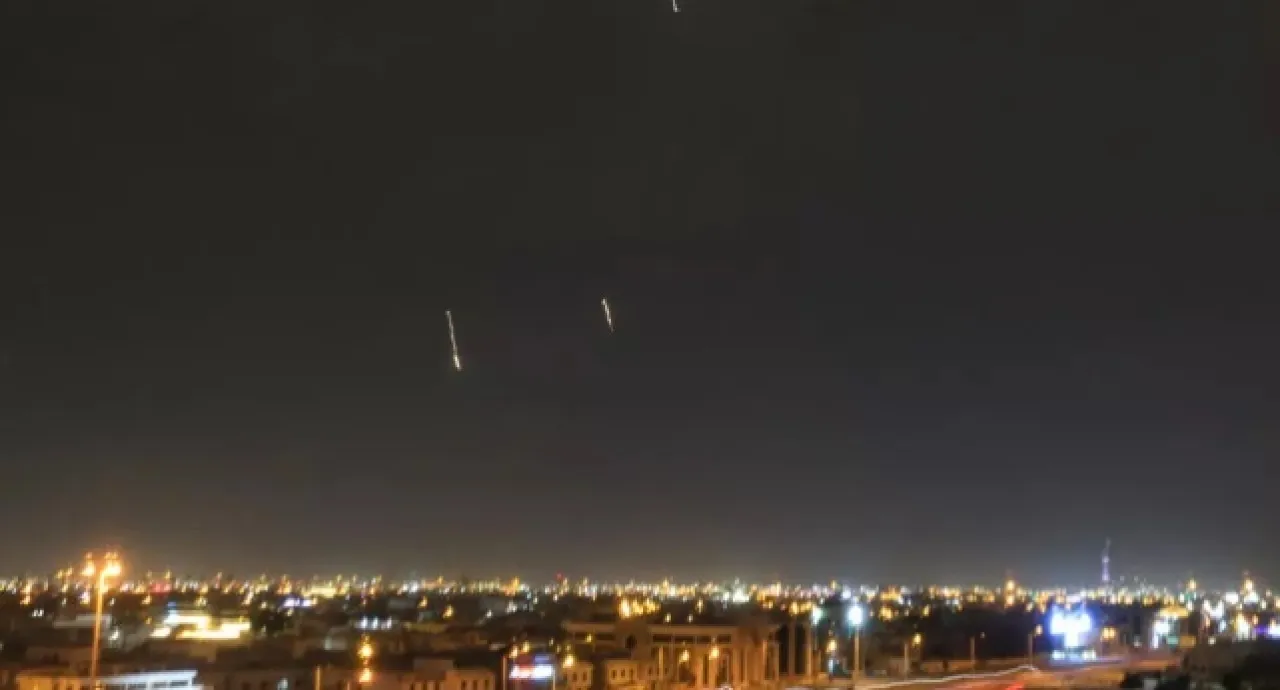
As Iranian attacks continued with ballistic missiles and drones, Gulf countries found themselves facing a fire they were not a part of igniting, leading to a serious depletion of their interceptor missile inventories. The "Economist" magazine reported in a report relayed by "BBC Arabic" that Iran fired more than 300 ballistic missiles at Israel and the UAE, and about 200 missiles at other Arab countries within the first three days of the war, explaining that intercepting these missiles requires launching at least two interceptor missiles for each attacking missile, meaning that Gulf countries launched about 800 missiles of the "PAC-3" or "THAAD" type within just two days.
According to a report by Bloomberg relayed by "Deutsche Welle" (DW), the situation is critical, with Qatar having only enough Patriot missiles for four more days, and the situation in Bahrain appearing similar given the small size of its air defense capabilities. DW quoted Kelly Grieco, a defense expert at the Stimson Center, estimating that the United States has about 200 THAAD missiles in the Middle East if it sent half its stock there, and with a launch rate of 8 to 12 missiles per day, this would only suffice for 24 days.
In this context, a report by "Foreign Policy" mentioned that Israel and Iran are waging a war that is the farthest distance between opponents in history without direct ground engagement, making ammunition a decisive and restricting factor for operations.
The economist Adam Tooze describes the challenge as attempting to hit a bullet with another bullet, pointing out that "Lockheed Martin produces about 600 interceptor missiles annually, while a single Iranian onslaught might require launching 1500 missiles to ensure protection.
As for compensations, no official statements from the American side suggest an intention to compensate the Gulf states for the material losses or depletion of their defensive stocks, on the contrary, CNN quoted a Gulf official that some of Trump's rich oil allies in the Gulf are reviewing their foreign investments, at a time when the war imposes pressures on their economies, and the official explained that a number of countries in the region began an internal review to determine the extent to which they could activate force majeure clauses in the foreign contracts to alleviate some of the expected economic pressures.
It seems that Washington considers that the air and missile protection it provides is some form of indirect compensation where the chairman of the Joint Chiefs of Staff General Dan Cain emphasized that their air defense systems intercepted hundreds of ballistic missiles targeting American forces, our partners, and regional stability, stressing that these systems operate exactly as planned, but this argument ignores the fact that these countries paid a heavy price for this protection, whether by depleting their strategic stock or by direct targeting of their infrastructure, raising fundamental questions about the effectiveness of defense alliances when their cost to the ally is higher than the return.