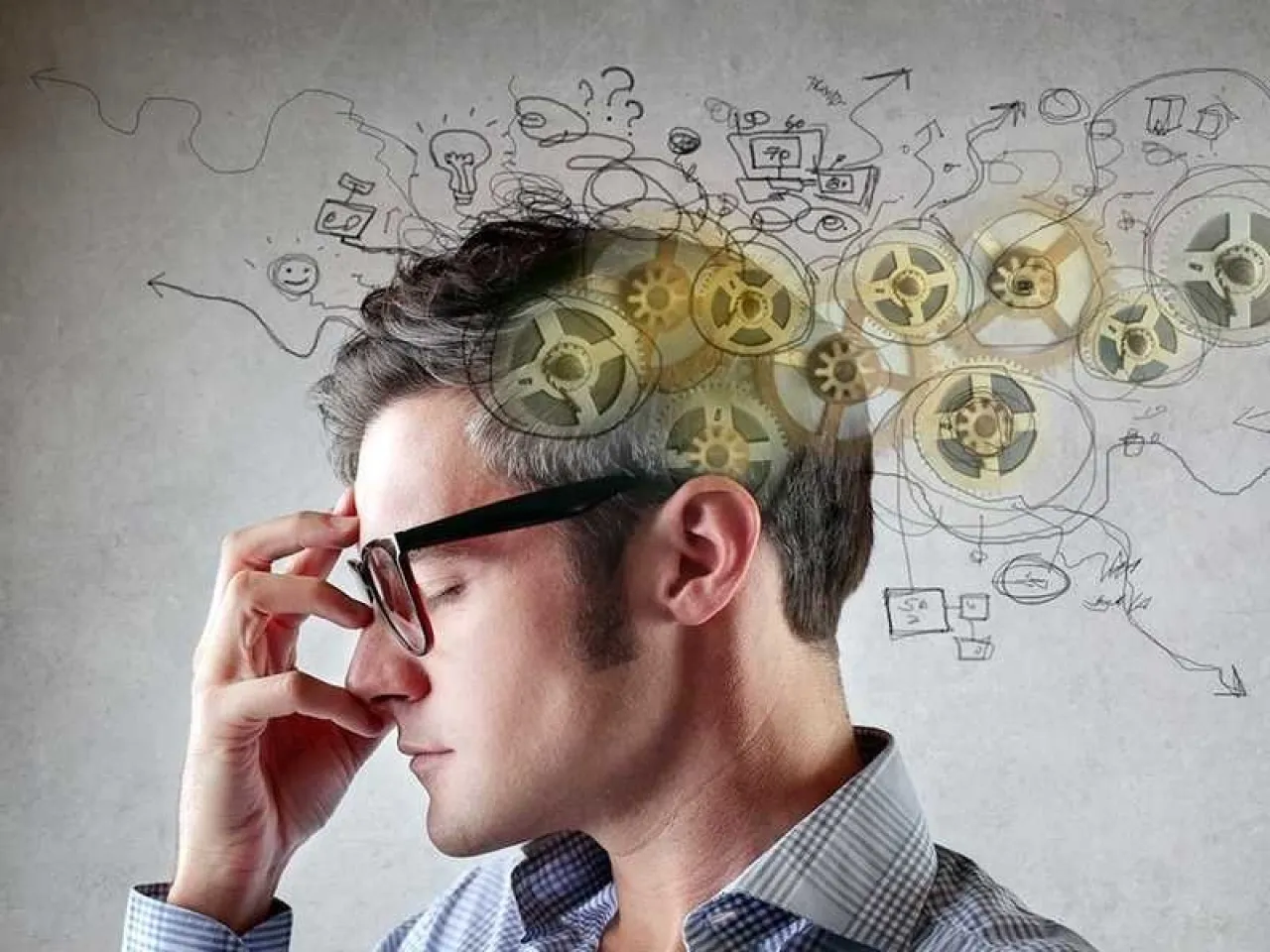
Khaberni - In the era of speed and the abundance of daily tasks, mental exhaustion has become a common problem suffered by many, whether students, employees, or even housewives. It may seem just a fleeting feeling of fatigue, but it is in fact deeper than that. It affects the ability to think, make decisions, be creative, and even the mood.
We will clarify the meaning of mental exhaustion, highlight its most prominent causes, and discuss the best practical ways to treat mental exhaustion and improve focus.
What is mental exhaustion?
Mental exhaustion is a state of severe mental fatigue resulting from long periods of continuous thought, psychological stress, or mental preoccupation without adequate rest. When the brain is subjected to consecutive tasks that require high concentration over extended periods, it begins to gradually lose its efficiency, leading to slow comprehension, impaired memory, and overall performance decline.
A person suffering from mental exhaustion may feel unable to complete simple tasks, or find it difficult to make decisions that were previously taken easily. This may also be accompanied by feelings of frustration, stress, or even loss of motivation.
Causes of mental exhaustion
The causes of mental exhaustion vary, and are often linked to everyday lifestyle and ongoing pressures. Among the most prominent causes are:
Constant pressure at work or school: The abundance of tasks and limited time are major factors leading to mental fatigue.
Lack of sleep: Insufficient sleep prevents the brain from regaining its energy, increasing the likelihood of mental exhaustion.
Excessive use of electronic devices: Continuous exposure to screens and social media exhausts the brain and reduces the ability to concentrate.
Overthinking and anxiety: Constant preoccupation with problems or the future depletes mental energy.
Lack of balance between work and personal life: When work dominates rest and leisure times, the mind remains in a state of constant alert.
Poor nutrition and lack of movement: The body and mind are interconnected, and any imbalance in physical health reflects on mental performance.
Understanding these causes is the first step toward treating mental exhaustion and preventing it in the future.
Symptoms of mental fatigue
It is important to distinguish between physical fatigue and mental fatigue. Some of the most prominent symptoms of mental exhaustion are:
Impaired ability to concentrate.
Frequent forgetfulness.
Slowness in thinking and response.
Mood swings and irritability.
Loss of motivation.
Feeling bored even with favorite activities.
When these symptoms are frequently noticed, it becomes necessary to take practical steps to restore balance.
Treating mental exhaustion practically
Fortunately, there are numerous effective strategies for treating mental exhaustion, which can be easily implemented in daily life:
Getting sufficient sleep
Good sleep is foundational in regaining mental energy. Try to sleep from 7 to 9 hours daily, consistently adhering to a fixed bedtime and waking time. Avoid using your phone at least an hour before bedtime to improve sleep quality.
Time management and prioritization
Divide your tasks into small parts and clearly determine your priorities. Using techniques like working continuously for 25 minutes followed by a short break (the Pomodoro Technique) helps reduce stress and improve focus.
Taking regular breaks
Do not work for long hours without stopping. Even a short break of 5 to 10 minutes every hour can rejuvenate the brain and reduce mental fatigue.
Regular exercise
Physical activity enhances blood flow to the brain, which helps improve mood and increase focus. It's not necessary to engage in strenuous exercises; even walking for 30 minutes daily is sufficient.
Minimizing digital distractions
Try to reduce notifications and close unnecessary apps while working or studying. Allocating specific time for social media use helps in reducing mental exhaustion.
Practicing relaxation and meditation exercises
Deep breathing and meditation exercises help in calming the mind and reducing stress. A few minutes daily focusing on breathing can make a significant difference in improving focus and mental clarity.
Proper nutrition and drinking water
Make sure to eat balanced meals including proteins, vegetables, and fruits, and drink adequate amounts of water. Dehydration or lack of nutrients can increase feelings of mental fatigue.
Allocating time for favorite activities
Engaging in hobbies or spending time with family and friends helps renew mental energy and reduce stress, which positively reflects on mental performance.
Improving focus and restoring mental activity
After applying steps to treat mental exhaustion, you will gradually notice an improvement in your ability to focus and perform tasks more efficiently. It is also beneficial to train the brain through reading, solving puzzles, and learning new skills, as these activities stimulate the mind and keep it active.
Having realistic goals and celebrating small achievements also boosts motivation and reduces feelings of exhaustion. Remember that the mind, like a muscle, needs a balance between effort and rest to function at its best.