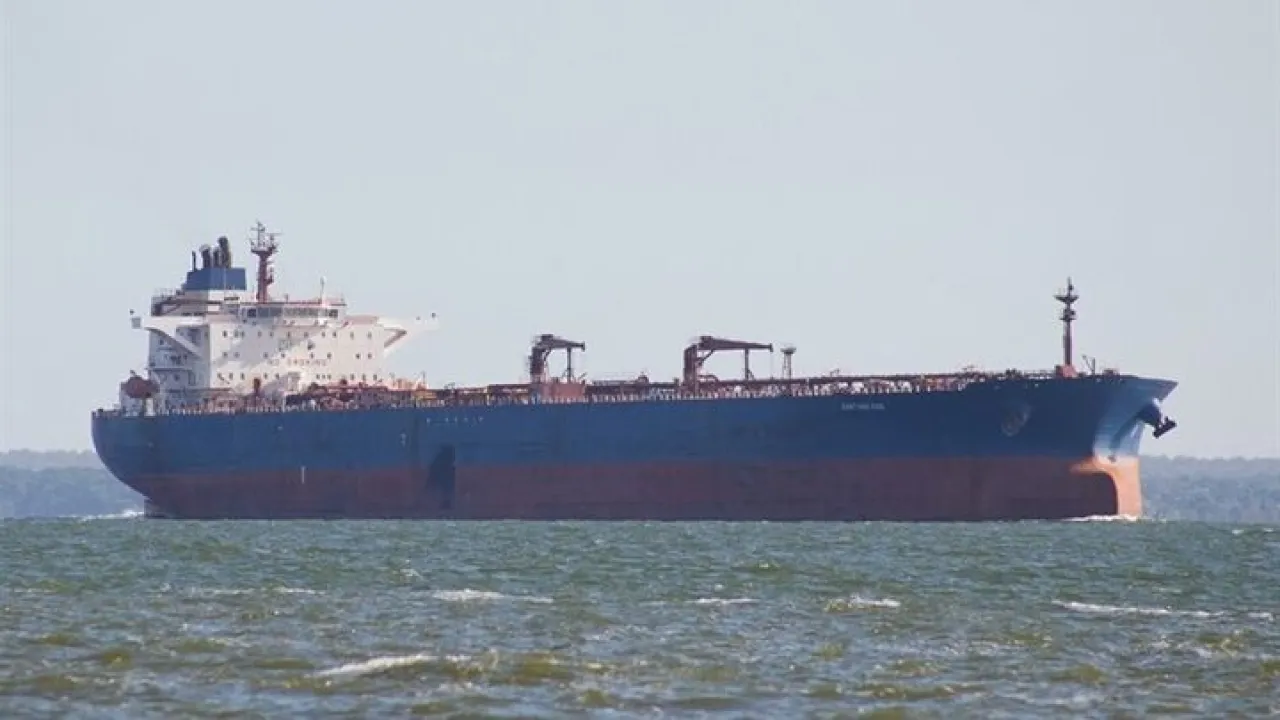
Khaberni - Reuters reported, citing three diplomatic sources, that China is negotiating with Iran to ensure the safe passage of crude oil tankers and liquefied natural gas ships coming from Qatar through the Strait of Hormuz, amidst escalating war between the United States and Israel on one side, and Tehran on the other.
These movements come as the war enters its seventh day, leading to an almost complete disruption of one of the world’s most significant maritime energy corridors, through which about a fifth of the global oil and liquefied natural gas supplies pass.
Chinese concerns over navigation paralysis
According to the sources, Beijing, which has close ties with Tehran and heavily relies on the energy coming from the Middle East, is not satisfied with the Iranian steps that have led to the paralysis of navigation in the strait, and is pressing on Iran to allow for the safe passage of ships.
About 45% of China's oil imports pass through the Strait of Hormuz, making the stability of this maritime passage a vital matter for the Chinese economy.
According to vessel tracking data, a tanker named Iron Maiden passed through the strait last night after changing its signal of ownership to “Chinese owner,” but experts affirm that such limited passage is not enough to calm the global markets, as ship tracking company data shows that the number of oil tankers passing through the strait dropped to just four ships on March 1, the day after the conflicts erupted, compared to an average of 24 tankers per day since the beginning of the year, according to official reports.
The estimates also indicate that about 300 oil tankers are still stuck inside the strait according to data from Vortexa and Kpler, companies specializing in tracking shipping movements.
Surge in oil prices and decline in tanker movement
Since the outbreak of the war, crude oil prices have risen by more than 15%, amidst production stoppages and Iranian attacks targeting energy facilities in the Gulf as well as ships crossing the strait.
Iranian missiles have also reached relatively distant areas such as Cyprus, Azerbaijan, and Turkey, further disrupting global markets and prompting major economies to warn of the risks of rising inflation.
Limited passage of Chinese and Iranian ships
Experts in the commodity trading sector said some ships are still currently crossing the strait, but they are mostly owned by Chinese or Iranian companies.
Iranian restrictions on Western ships
The Iranian government had earlier this week announced that it would not allow any ships belonging to the United States, Israel, European countries, or their allies to pass through the Strait of Hormuz.
However, the Iranian statement did not address the Chinese ships, which explains the ongoing talks between Beijing and Tehran to ensure the continued flow of energy to the world's second-largest economy.