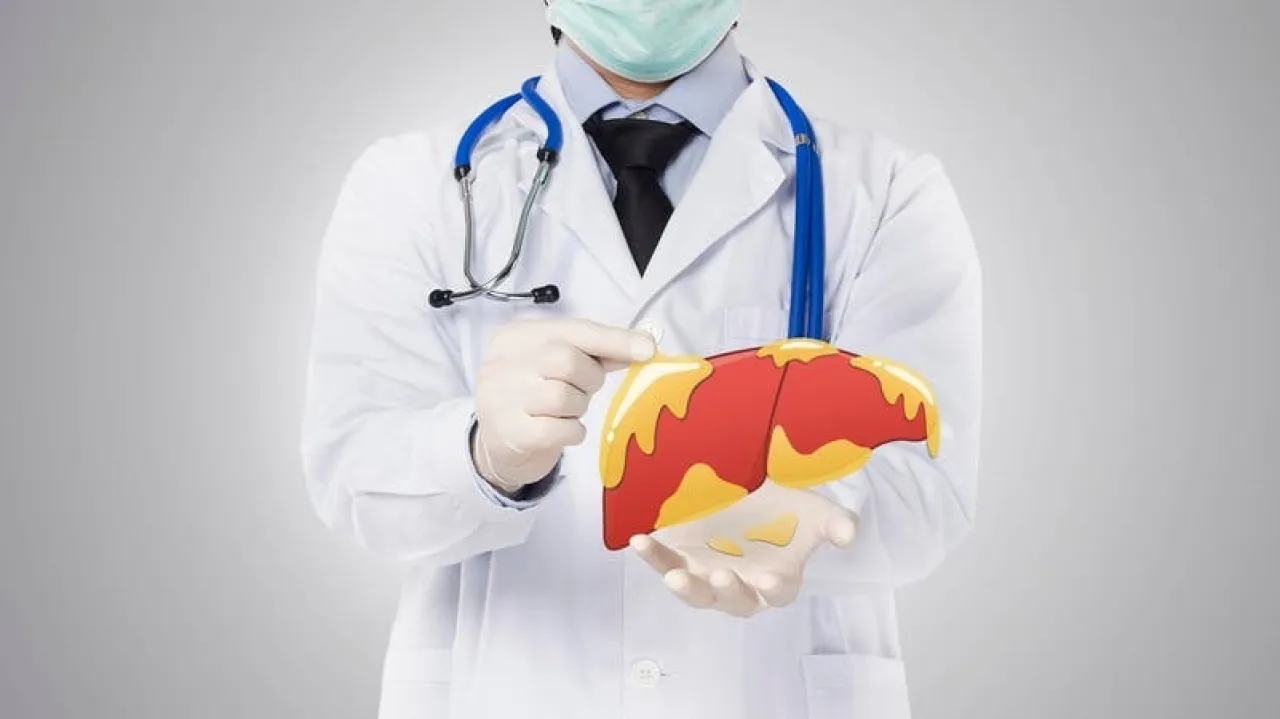
Khaberni - The liver plays a crucial role in regulating the metabolic process within the body, as it is involved in processing fats and proteins and regulating blood sugar levels. However, excessive consumption of fats, especially saturated fats and high calories, may lead to the accumulation of fats within the liver and increase the risk of developing fatty liver disease.
This disease is currently known as Metabolic Dysfunction-Associated Steatohepatitis (MASLD), and it is one of the most common liver diseases worldwide.
Fats in the body can be used to produce energy, build cells, or be stored in adipose tissue. The liver plays an important role in determining how these fats are used, in collaboration with hormones such as insulin and glucagon, according to a report on the "VeryWellHealth" health website.
But when the liver is exposed to large amounts of fats, it may fail to process them completely, leading to the accumulation of fat molecules within it. When this occurs, fatty liver disease develops, which in some cases may progress to fatty liver inflammation, a more severe form that may lead to liver fibrosis or even liver cancer over time.
Often, fatty liver does not cause noticeable symptoms in its early stages, but doctors warn against ignoring it, as it is associated with an increased risk of cardiovascular disease. Estimates indicate that the disease affects about one in every three adults in some countries.
Factors that increase the risk
There are several factors that increase the likelihood of developing fatty liver, including obesity and insulin resistance or type 2 diabetes, as well as metabolic syndrome and cholesterol disorders, and also the excessive intake of calories and saturated fats.
Despite these risks, experts affirm that fats are an essential nutrient that the body needs, as they help produce energy, manufacture hormones, protect organs, and absorb some vitamins such as A, D, E, and K, but the type of fats plays an important role in health impact.
Dietary fats are divided into main types, the first being unsaturated fats, which are considered the healthier choice and are found in olive oil, nuts, seeds, and fatty fish.
The second type is saturated fats and trans fats, which are mostly found in processed foods, fatty meats, butter, ghee, and some tropical oils. Experts recommend that saturated fats should not exceed 6 to 10% of total daily calories.
What about high-fat diets?
Some diets, such as the ketogenic diet, follow a regimen based on increasing fats and reducing carbohydrates. Some studies suggest that high-fat diets designed for weight loss may help reduce liver fat if they lead to weight loss and improved metabolism.
However, experts emphasize the importance of paying attention to the quality of fats and total calorie intake. Doctors advise following certain dietary steps to reduce the risk of fatty liver, including choosing unsaturated fats, reducing saturated fats, monitoring total calorie intake, maintaining a healthy weight, and consulting a nutrition specialist when following special diets.