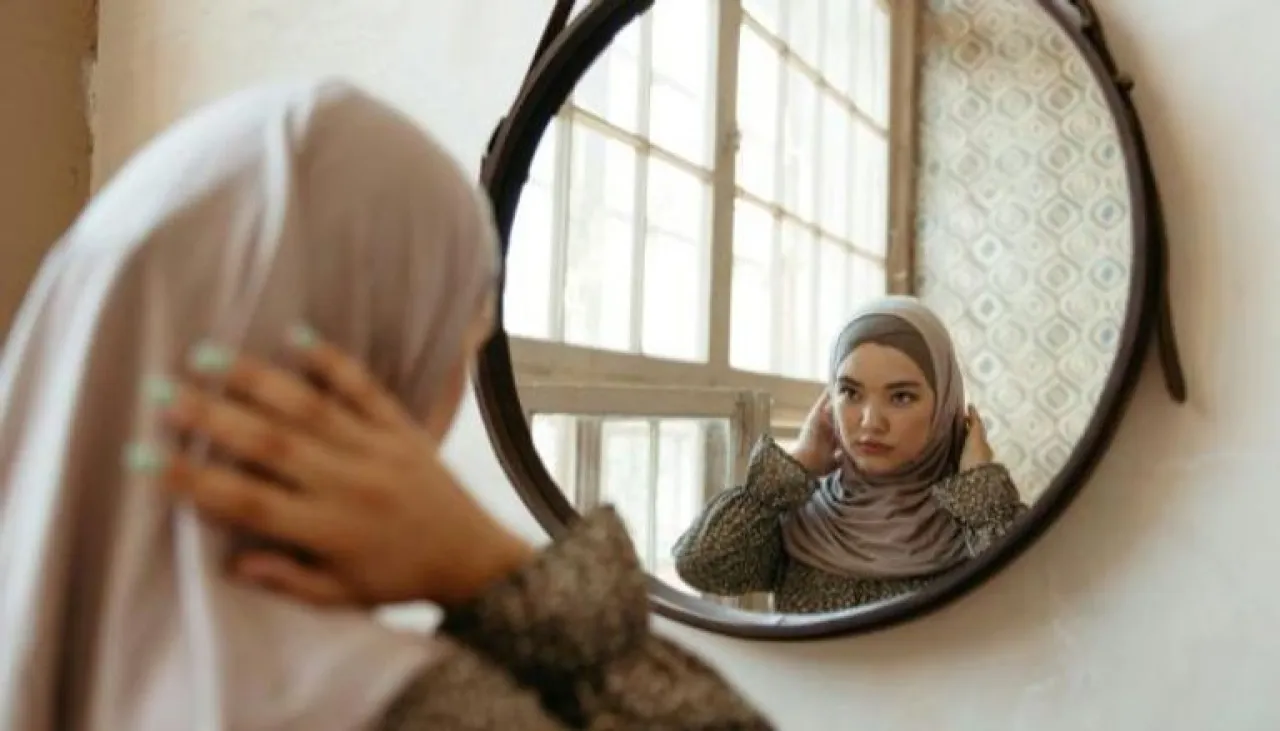
Khaberni - In Ramadan, while you feel you are engaging in spiritual habits and daily dietary practices, some notice that the features of their faces gradually change.
The face may appear less full, or sharper in some areas, and slight wrinkles or swelling may appear in other areas.
These changes are not just an optical illusion, but are clear messages your body sends about your physiological condition and the pattern of fluids and nutrition, so what changes the shape of your face during the days of fasting?
Partial dehydration is one of the most important factors affecting the face shape in Ramadan, and a study published in the "Clinical Journal of Nutrition" titled "Effect of Intermittent Fasting on Body Fluid Balance" indicates that refraining from fluids for long hours leads to a decrease in water volume in cells, especially in the face and neck, making the face look thinner and the cheeks less full.
Dr. Mahmoud Abdelmomen, a gastroenterology consultant at the Egyptian Ministry of Health says, "The change in the face shape during fasting is not always negative but reflects the body's ability to regulate fluids, and sometimes it is a good indicator that the body is starting to switch to burning fats as a source of energy."
In addition to fluid loss, the body's shift to burning fats affects the shape of the face, particularly the subcutaneous fats in the cheek and jaw areas.
A study published in the "Journal of Diabetes and Metabolic Syndrome" titled "Effect of Fasting on Body Fat Distribution," notes that repeated fasting, as occurs in Ramadan, leads to a gradual decrease in subcutaneous fats, which makes the facial features appear more defined and clearer.
Abdelmomen explains: "This change may be more noticeable in the middle of the second month of Ramadan, when the body begins to rely on stored fats for energy provision, what is known as 'silent burning' of fats."
Not only water and fats, but the facial muscles themselves are partly affected by fasting, and a study published in "Frontiers in Physiology" titled "Physiological Changes in Muscles During Fasting" shows that some small muscles in the face may lose a little of their volume due to decreased protein and energy intake, leading to a change in facial expressions, especially around the mouth and eyes.
The changes in the face shape do not stop at the structure and fats, but also include the skin, where a study titled "Dermatological Effects of Fasting on Humans" published in "Skin Science Journal," shows that fluid shortage or consuming greasy meals at Iftar can lead to temporary swelling or the appearance of dehydration marks on the face, especially around the eyes and cheeks.
Abdelmomen confirms: "The face directly reflects the internal state of your body, so the changes you see in the mirror during Ramadan are often temporary and reversible with the regulation of fluids and nutrition."
Abdelmomen concludes by saying: "Notice your face during fasting, as it sends you precise signals about your internal health, taking care of fluids, eating balanced meals, and monitoring temporary changes, makes the fasting experience safer and more beneficial."