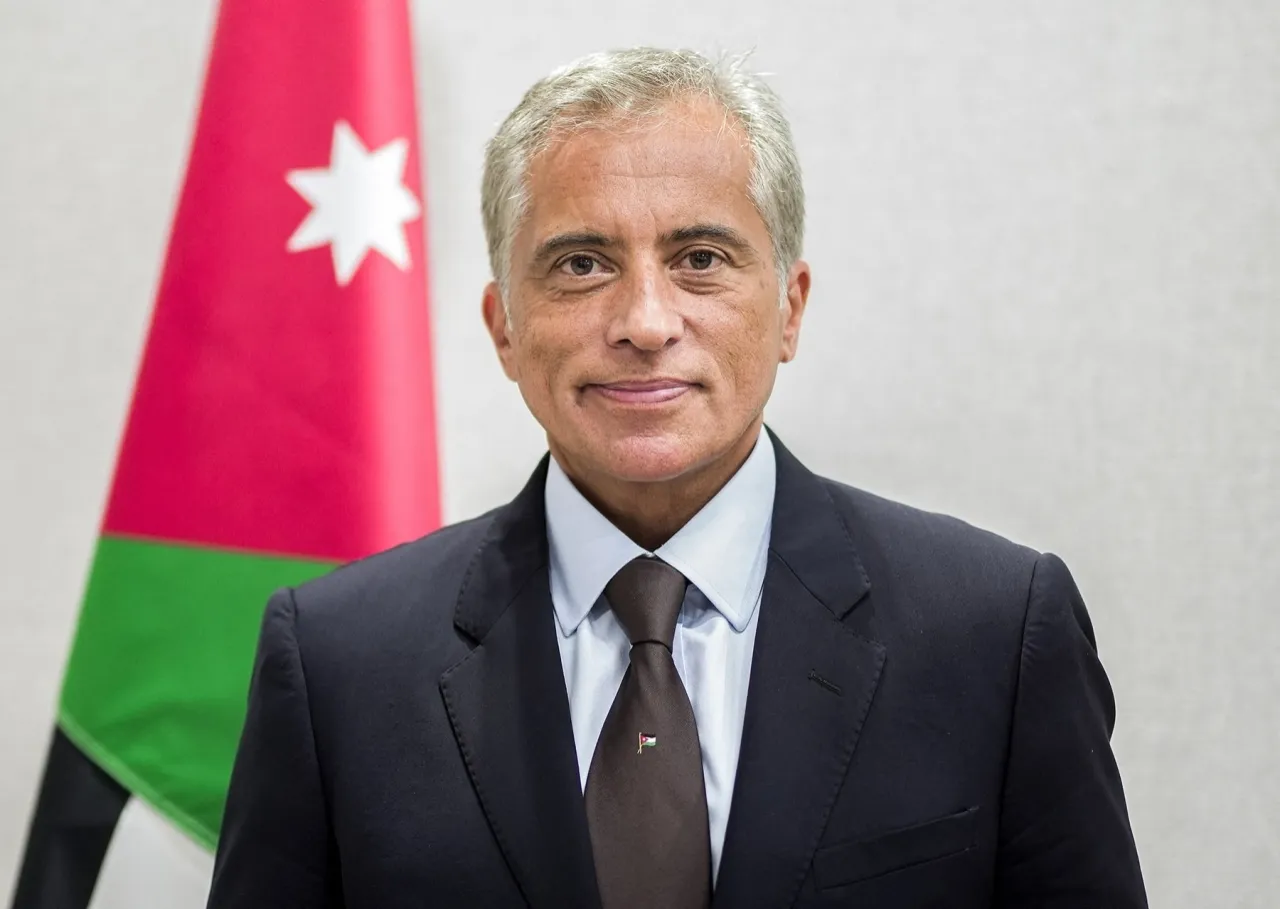
Khaberni - Deputy Engineer Adnan Mashooqah asked a detailed question to the government consisting of 53 items, concerning the new Social Security Law project, risks of the amendments, and citizens' concerns.
Here is the text of the question:
Your Excellency, the Speaker of the House,
Subject: The project of amending the Social Security Law pursuant to the provisions of Article (96) of the Constitution, and in accordance with the provisions of Article (123) of the internal system of the Parliament, please direct the following parliamentary question to His Excellency the Prime Minister:
1. Why have the fundamental amendments to the Social Security Law been repeated since 2001, and what are the structural or administrative reasons that have prevented the stability of the insurance system to date?
2. Has the government published the full actuarial study in Arabic, on which the current amendment project is based, and does this study include multiple alternatives and an analysis of the impact of each alternative on different age groups, especially those who have exceeded half of their subscription period? Provide me with a copy?
3. How does the government constitutionally justify raising the retirement age or adjusting the benefits calculation mechanism for subscribers who joined the system under previous conditions, in light of the principles of legal security and legitimate confidence?
4. What are the measures taken to review investment decisions, governance, and management within the Social Security Corporation before imposing additional burdens on subscribers, and why does the government not open an investigation or form an independent national committee for this purpose?
5. What are the justifications that the government relied on to deprive employees in establishments employing five workers or less from being covered by old age, disability, and death insurance for a year, despite the resultant reduction in social security revenues and weakening of social protection?
6. How does the government justify imposing an additional (1%) contribution on workers in dangerous professions, while the nature of their jobs requires providing them with more protection and incentives rather than imposing additional burdens?
7. What are the legal and financial basis for not counting the notice month for an employee whose service ends as part of the service covered by social security, and what is the impact of this on the institution's revenues and the unemployment fund?
8. How do the proposed amendments related to allocating (100,000) dinars annually to the General Federation of Labor Unions, continuing to reduce work injury subscriptions for the public sector, and raising the minimum total retirement salaries align with the goal of enhancing the financial sustainability of the insurance system?
9. What is the fate of voluntary subscribers in social security from Jordanians working in the Gulf countries whose jobs or residency end after reaching the age of (60) and are forced to return to the kingdom?
10. What are the bases adopted by the government in implementing the gradual increase in the necessary subscriptions for early retirement, and how does this mechanism harmonize with the principle of protecting the legal positions of subscribers close to entitlement?
11. How does the government justify maintaining the calculation formula and the proposed discount rates, and what impact does this have on fairness among subscribers, especially those who have passed long durations of subscription?
12. What guarantees ensure that no categories of subscribers who have fulfilled a significant part of their subscriptions but have not reached a certain age before the law takes effect are excluded, and how does this treatment harmonize with the principles of legitimate confidence and legislative stability?
13. How does the government constitutionally and legally justify proceeding with the amendment project of the Social Security Law in a form that adopts a time-gradual implementation without a clear resolution of the justice of the amendment and its addressing of the actuarial and administrative defects, and what are the detailed published studies that prove that the proposed amendments achieve real and fair sustainability, protect legitimate confidence of subscribers, and do not merely constitute a deferred redistribution of costs to categories or generations not involved in creating the existing imbalance?
14. What is the legal responsibility of the government in the event of a future deficit in the fund?
15. Have the proposed amendments been compared with experiences of other countries, and what are the main lessons learned?
16. What are the technical and administrative costs of transforming the institution into the "Custodian" model, and how will it be funded?
17. What are the measures taken by the government to ensure the long-term financial sustainability of the Social Security Corporation?
18. Is there a clear plan to address the expected actuarial deficit in the coming years?
19. What is the current size of the financial reserves of the Social Security Corporation, and how have these reserves developed over the past five years?
20. What is the percentage of future obligations coverage of the institution through current assets?
21. Has the government conducted comparative studies with regional or international social security funds to assess the performance of the institution? What are the results?
22. What are the expected revenues for the institution for the next five years, and what assumptions were these projections based on?
23. What are the expected expenses for the institution for the next five years, and what are the main factors affecting these expenses?
24. What is the institution's plan to diversify its investment portfolio and reduce dependence on government bonds, as recommended by the study?
25. What are the expected returns from alternative investments that the institution intends to pursue?
26. Is there a specific ceiling for the institution's investment in government bonds, and what is the mechanism for reviewing and adjusting it?
27. What is the impact of the heavy concentration on government bonds on the investment portfolio risks of the institution?
28. Has the risk of default by the Jordanian government been assessed by the institution or independent entities, and what are the results?
29. What measures have been taken to ensure that government financial policies do not affect the independence of the institution's investment decisions?
30. What is the current private sector contribution to the institution's investments, and what are the plans to increase it?
31. What is the total number of early retirees from the Social Security Corporation during the past ten years, and what is their percentage of total retirees?
32. What is the financial impact of early retirement on the liquidity and sustainability of the institution in the long term?
33. What measures have the government and the institution taken to address the phenomenon of early retirement, and have these measures proven effective?
34. Is there a plan to adjust the conditions of early retirement to reduce its negative effects on the institution, and what are the details of this plan?
35. What incentives can be provided to employees to delay retirement and stay in the labor market longer?
36. Have the experiences of other countries in addressing the issue of early retirement been studied, and what are the lessons learned?
37. What is the current average retirement age in Jordan compared to global averages?
38. What are the future expectations for the number of early retirees under current policies?
39. What is the current size of the book profits (unrealized) in the institution's investment portfolio, and what is their percentage of total assets?
40. What measures does the institution take to address the risks of turning book profits into actual losses in the event of market fluctuations?
41. Is there a clear policy for the institution to convert part of the book profits into realized cash liquidity?
42. What is the impact of a collapse in stock or real estate prices on the financial position of the institution, especially in light of the large book profits?
43. Have stress tests been conducted on the institution's portfolio to assess its ability to withstand economic and financial shocks? What are the results?
44. What is the institution's strategy for protecting its assets from fluctuations in global and local markets?
45. Are there specialized committees within the institution for monitoring and assessing market risks, and what are their authorities?
46. What is the transparency followed in disclosing book profits and their risks to the public and stakeholders?
47. What is the expected impact of a decrease in global interest rates (especially American) on the institution's revenues from bonds and bank deposits?
48. Has the size of the expected losses in the institution's revenues been estimated in case of a decrease in interest rates to historically low levels?
49. What measures does the institution intend to take to compensate for the shortfall in revenues resulting from lower interest rates?
50. What is the impact of a stock market collapse scenario (by 15%, 30%, 50%) on the total assets of the institution and its ability to meet its obligations?
51. Has a portion of the reserves been allocated to cope with unexpected shocks (such as pandemics or natural disasters)?
52. What are the practical steps taken by the government and the institution to implement the strategic recommendations contained in the study, such as diversifying the portfolio and developing illiquid assets?
53. Does the institution have plans to participate in financing major infrastructure projects (such as the national water carrier or railway projects)? What are the expected returns from these projects?
**Please accept my highest respect,**
Deputy Engineer,
Adnan Mashooqah