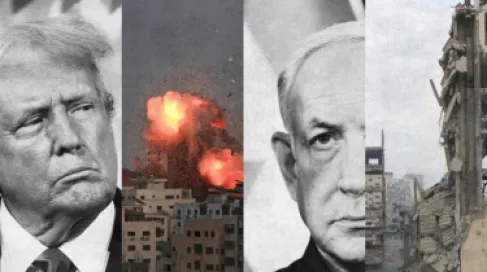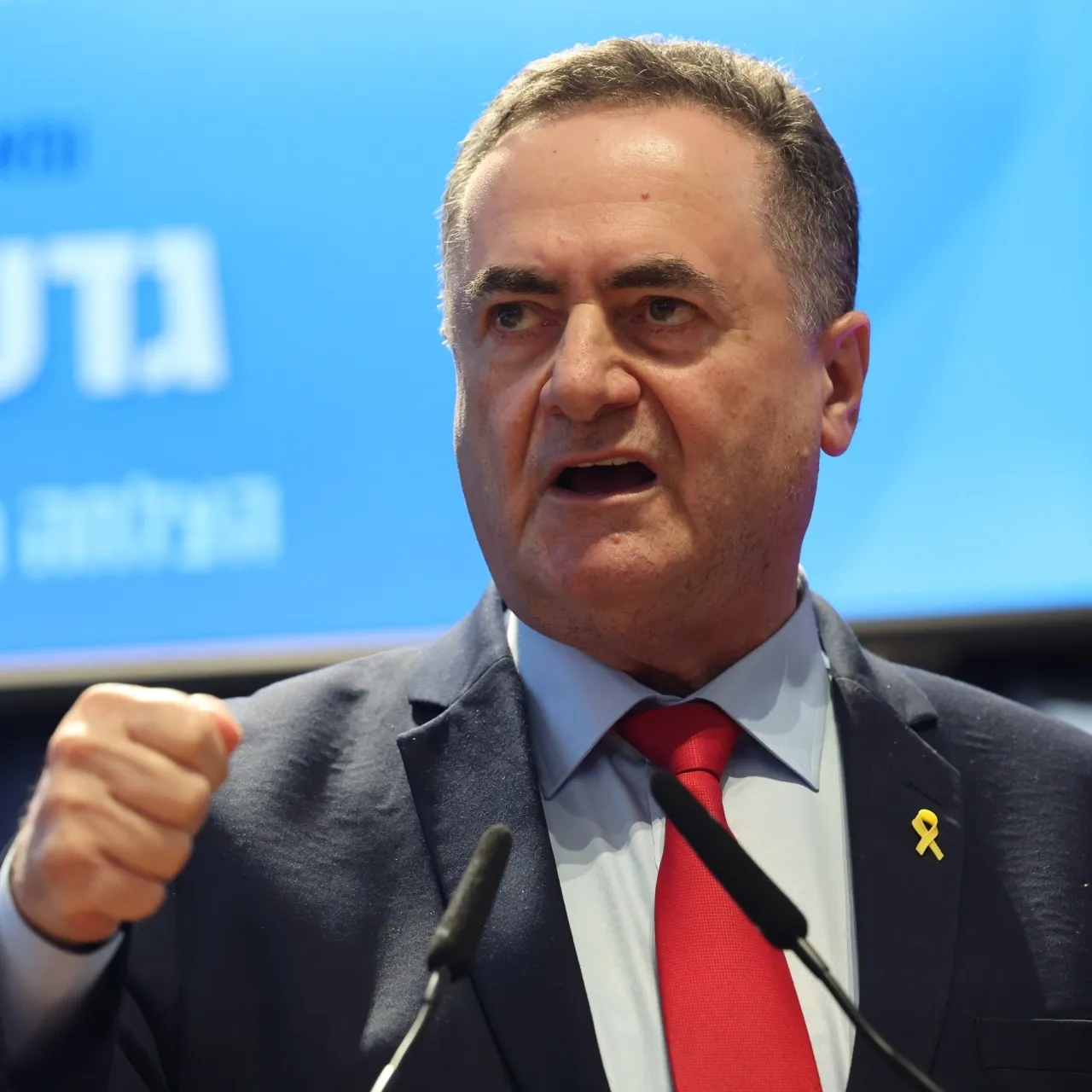
Khaberni - Israeli Defense Minister Israel Katz said on Tuesday that he had ordered his forces to "advance and control" new sites in Lebanon following the launch of Hezbollah rockets on northern occupied territories on Sunday night and Monday.
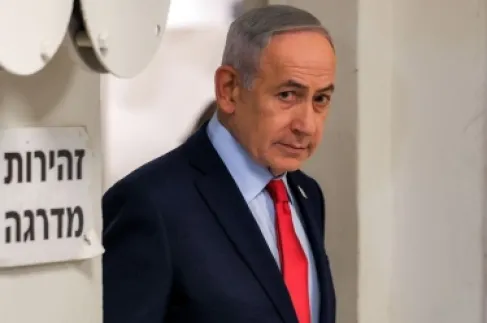
Katz stated, "Prime Minister Benjamin Netanyahu and I have agreed that the Israeli army should advance and control new strategic sites in Lebanon to prevent attacks on border congregations in Israel".
Lebanese Hezbollah launched rockets on the northern occupied territories on Sunday night and Monday after the assassination of Iran's Supreme Leader Ali Khamenei. The Israeli response was swift, with extensive strikes on Lebanon; Hezbollah was also warned of a "heavy price".
The Lebanese government announced an "immediate ban" on Hezbollah's security and military activities.
Although the Israeli army stated there is currently no reason to enter Lebanon by land, it later reiterated on Monday that "all options are on the table".
Katz said that the orders he issued to advance on new sites in Lebanese territories are merely a "tactical measure" and not an incursion by land.
Hezbollah entered into a war with Israel in September 2024, supporting the Gaza Strip, after which Israel occupied sites in Lebanese territories, and Hezbollah emerged exhausted from the confrontation. The war then resulted in the displacement of tens of thousands of residents on both sides of the border.
The recent wave of raids caused a widespread displacement movement in Lebanon, while the resurgence of hostilities angered Lebanese people.
Conversely, the Israeli army stated that it does not plan to evacuate the northern communities again, noting that it has bolstered its deployment on the Lebanese border and enhanced the strength of its air defenses in the region.
The ceasefire agreement announced in November 2024 stipulates a cessation of hostilities and a withdrawal of Hezbollah from the border area to north of the Litani River, leading to its disarmament across Lebanon, and the withdrawal of the Israeli army from the sites it advanced to during the most recent war.
However, Israel maintains control of 5 strategic sites inside Lebanese territories, while Hezbollah refuses to disarm, indicating that the agreement only covers the area south of the Litani border.
Despite the agreement, Israel continues to conduct regular strikes on sites it claims are Hezbollah in Lebanon.
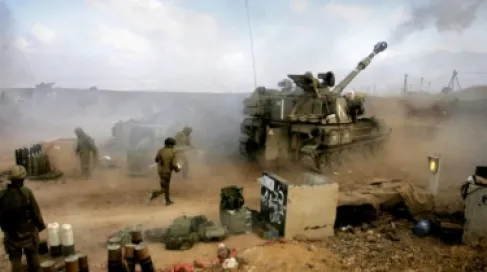
Israeli army spokesman Evi Deverin, in a televised statement, said, "In fact, the Northern Command has advanced, controlled strategic areas, and is working to establish a buffer zone between the residential areas and against any threat, as promised".