Khaberni - Amid unprecedented digital and social pressures, the emerging generation faces a severe test of its mental resilience, where recent reports confirm that mental challenges have exceeded the absorptive capabilities of children, warning of a public health crisis requiring immediate intervention.
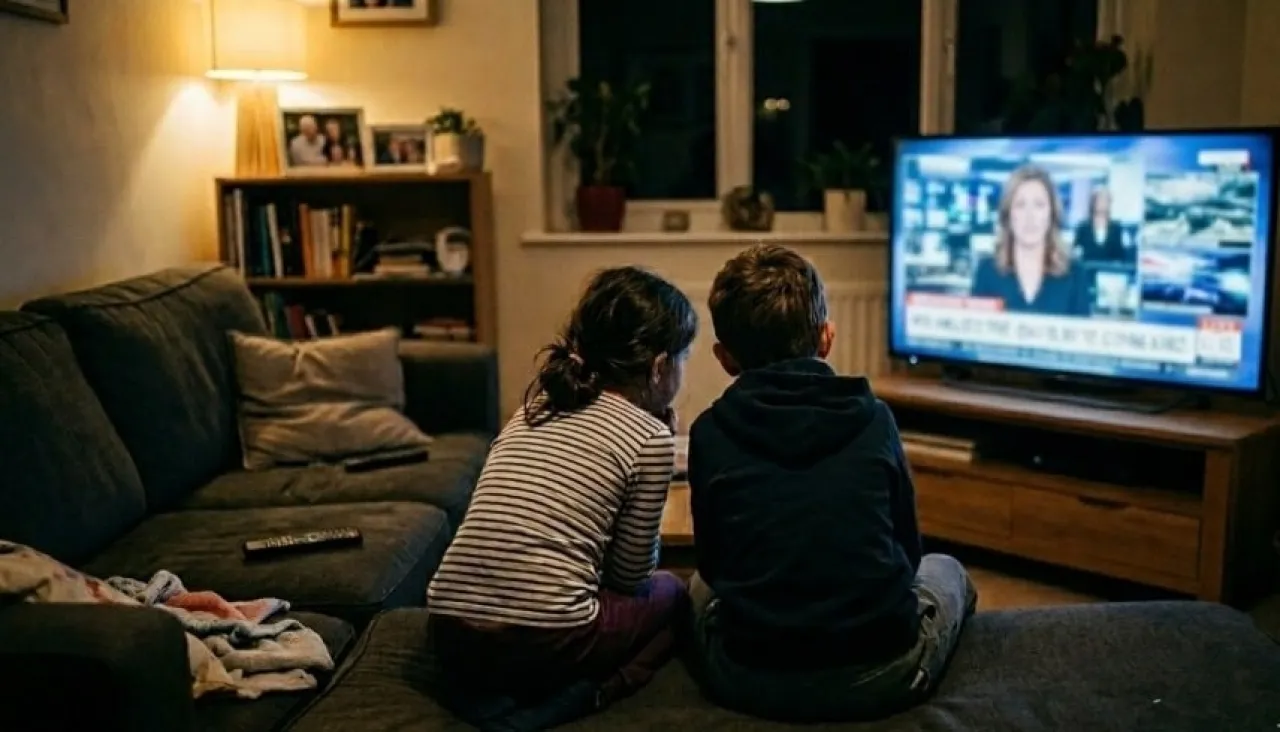
What is notable is that exposure to stressful events is not limited to being at the heart of the event, but has extended to include "indirect shocks" resulting from the continuous flow of shocking images and scenes via media and social media platforms, creating a state of collective anxiety among many children worldwide.
Signs You Might Not See
Psychological studies confirm that stress and anxiety accumulated in a child often goes unnoticed, but act like a time bomb that affects their behavior and physical health in the long term, and the World Health Organization has classified anxiety as the "epidemic of the 21st century," making early sign detection a necessary prerequisite for timely intervention.
The signs vary according to age groups as follows:
- General physical reactions: chest tightness, headaches, abdominal pain, trembling, and loss of appetite.
- Age group (0-3 years): strong attachment to parents, frequent crying, and regression to earlier childhood behaviors (such as involuntary urination).
- Age group (4-6 years): loss of desire to play, sudden silence, or exaggerated role-playing as adults as a defense mechanism.
- Age group (7-12 years): aggressiveness, feelings of guilt, frequent talk about "the shocking event," and decline in academic performance.
- Teenagers (13-17 years): isolation, rebellion against authority, engagement in risky behaviors, and feeling hopeless about the future.
Causes of Anxiety in Children
The causes of stress in children are not limited to major disasters but also extend to include daily life pressures such as:
- Academic anxiety and school competition.
- Family issues such as separation or financial conflicts.
- Bullying and social difficulties with peers.
- Physiological changes during puberty and their effect on self-image.
How Can Parents Support Their Children?
Adult reactions are the mirror through which a child sees the magnitude of the disaster; thus, the calm and psychological stability of the parents are the cornerstone in the recovery journey. Here is a roadmap for dealing:
- Establishing a fixed routine: Order provides the child with a sense of continuity and security in a world where they feel a loss of control.
- Declaring support and protection: Reassure your child they are safe, and tell them you are always by their side.
- Clear and logical explanation: Explain to the child in a calm and steady voice what is happening in simple language suitable for their age, without exaggerations or dramatization, as misunderstanding increases the level of terrifying imagination.
- Listening without judgment: Let your child express their fears and trauma without saying "be brave" or "don't cry," for tears are a natural part of the psychological release process.
- Keeping away from indirect stress sources: Reduce their exposure to news and social media sites to preserve their sense of security as much as possible.
- Building psychological resilience: Teach your child problem-solving skills and relaxation techniques (such as visual imagery), and encourage them to regain self-confidence through praise for their efforts.
When Does Professional Intervention Become Necessary?
Although many cases of stress and anxiety can be contained within the family, there is a red line that necessitates consulting specialists, if the signs of disturbance continue for a long period, or if the child continues to suffer from panic attacks and depression even after the cause has disappeared, consulting a psychologist becomes essential to protect the child's future and cognitive development.