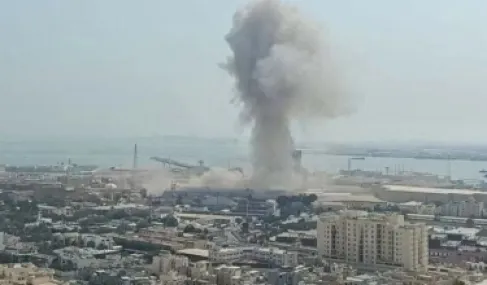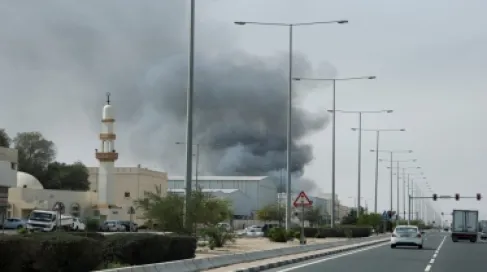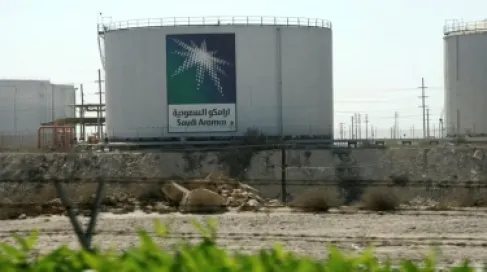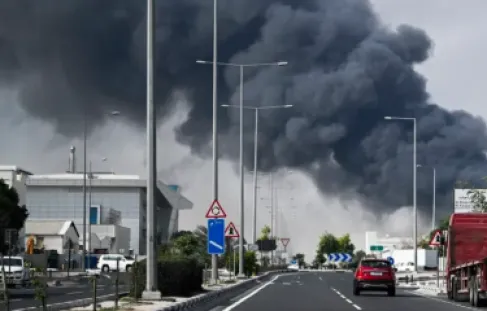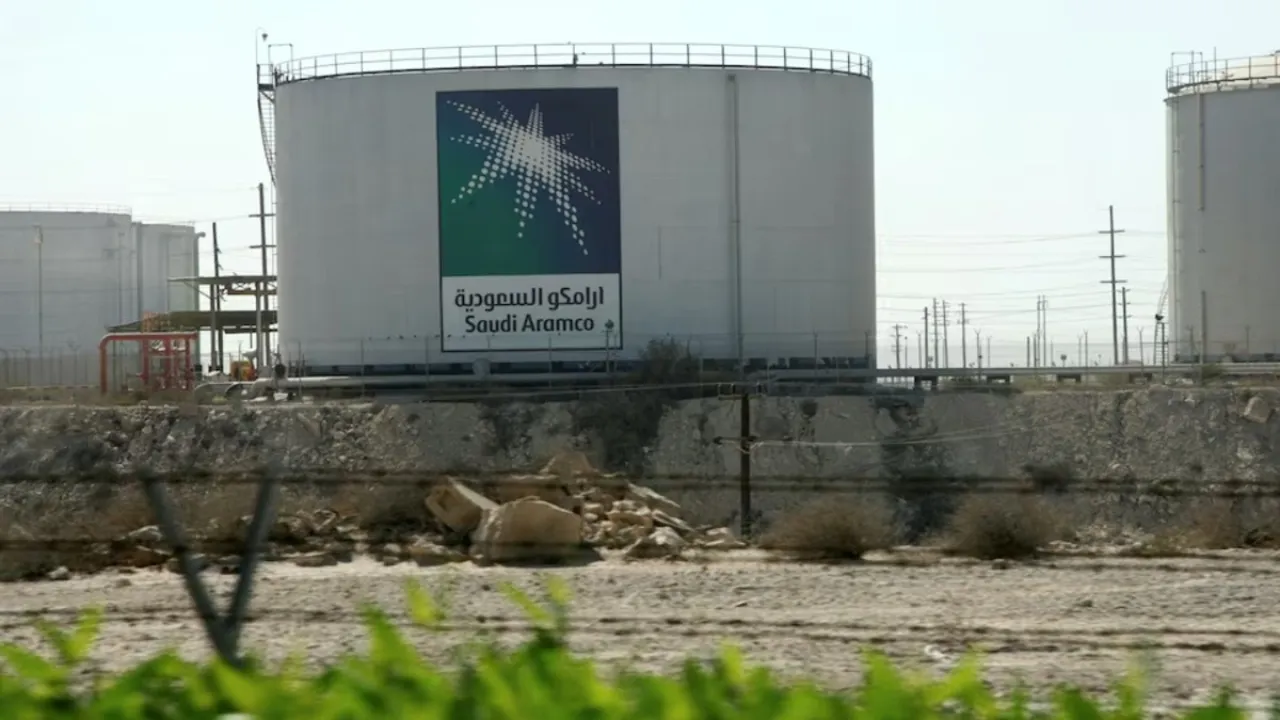
Khaberni - Reuters reported the closure of the Ras Tanura refinery owned by Saudi Aramco in the east of the kingdom, after it was attacked by a drone.
The agency quoted a source that the situation is now under control inside the refinery, which was closed as a precaution.
The spokesperson for the Ministry of Defense in Saudi Arabia, Major General Turki Al-Maliki, confirmed the interception of two drones that attempted to target the Ras Tanura refinery, affirming the success of the defensive operation.
Al-Maliki clarified in statements to Al Arabiya that no civilian casualties were recorded as a result of the interception operation, noting that a limited fire broke out inside the refinery due to falling debris, which was quickly controlled.
He confirmed that the competent authorities began dealing with the incident, taking the necessary measures to ensure the safety of the facility and the continuity of operations.
Oil prices record a significant jump
The war on Iran caused a 13% surge in oil prices today, Monday, amid disruptions to shipping movements through the vital Strait of Hormuz amidst ongoing Iranian attacks following the launch of the American-Israeli attack that resulted in the death of the Iranian leader Ali Khamenei.
Brent crude futures rose to $82.37, the highest level since January 2025, before the rise was reduced to $5.41 or 7.4% at $78.28 by 06:05 GMT.
West Texas Intermediate crude during trading rose to $75.33, up 12% to the highest level since June, before the gains were reduced to $4.74 by 7.1% at $71.76.
The significant rise in the standard crude oils is a result of the continued exchange of attacks that inflicted damage on oil tankers and significantly disrupted the passage of tankers in the Strait of Hormuz between Iran and Oman, which connects the Gulf to the Arabian Sea.
The Strait of Hormuz.. The most important commercial waterway in the world
On normal days, tankers crossing the strait carry oil equivalent to about one-fifth of global demand, from Saudi Arabia, UAE, Iraq, Iran, and Kuwait, alongside tankers carrying diesel, jet fuel, gasoline, and other products from these countries' refineries to major Asian markets including China and India.
Priyanka Sachdeva, a senior analyst at Phillip Nova, said, "The markets recognize the seriousness of the conflict, but for now, consider it just a geopolitical shock, not a systematic crisis."
An actual long-term closure of the Strait of Hormuz would drive oil prices up and cause a shortage of supplies to China and India.
200 tankers carrying oil and liquefied gas are stopped in the Gulf
Shipping data available yesterday, Sunday, showed that more than 200 tankers carrying oil and liquefied gas are stopped in the Gulf. Three tankers were damaged, and a sailor was killed in attacks that took place yesterday, Sunday, in the waters of the Gulf.
Amid the ongoing conflict, members of the OPEC+ alliance agreed yesterday, Sunday, to a modest increase in oil production by 206,000 barrels per day during April.
Analysts warn that retail gasoline prices in the United States, the world's largest fuel consumer, may exceed three dollars per gallon due to the conflict, which could pose a risk to President Donald Trump and his Republican Party before the midterm elections in November.