Khaberni - In a surprising development after the complete cessation of Israeli supplies to Jordan, Syria's natural gas imports through the kingdom are in doubt in the coming hours, putting the regional energy system to a new test.
In this context, sources in statements to the specialized energy platform (based in Washington), said that Jordan temporarily stopped pumping gas to Syria, due to current developments in the region and the repercussions of the war on Iran, which also caused Israel to cut off gas supplies to the kingdom, prompting the relevant authorities to prioritize securing local market needs.
A well-informed source explained that Jordan currently relies on alternative arrangements to cover domestic demand, in light of security developments that affected gas flows from the Israeli offshore fields, particularly the Leviathan and Karish fields.
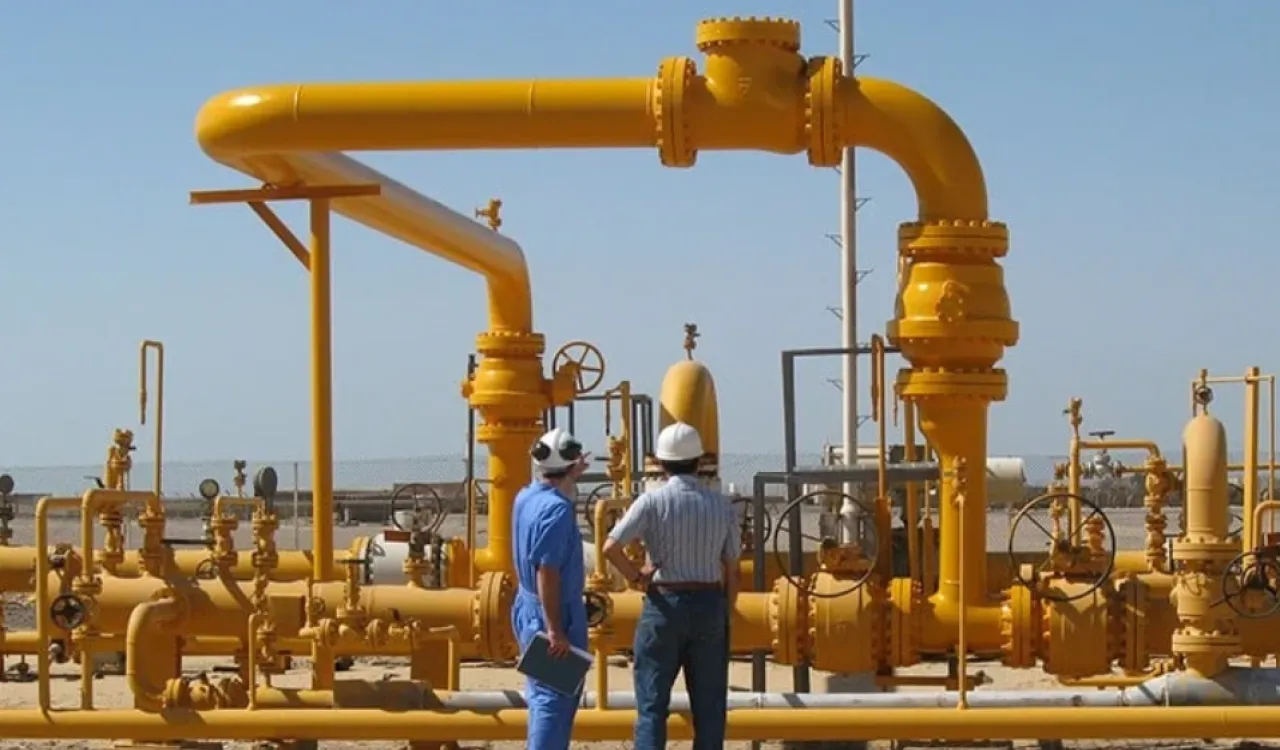
The source added that the natural gas pumping from Jordan to Syria via the Arab Gas Pipeline actually stopped with the onset of events in the region, noting that the situation is currently being assessed to decide on resuming supplies.
At the same time, a high-level government source said: "Pumping is currently continuing, but at low rates".
Meanwhile, the Syrian Petroleum Company did not respond to a request for comment sent by the energy platform.
Jordanian gas to Syria
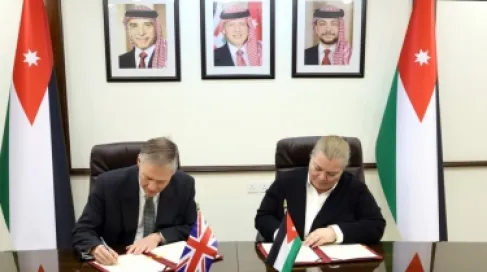
The flow of Jordanian gas to Syria officially began on January 26, 2026, after signing a sale and purchase agreement between the Jordan Electricity Company and the Syrian Petroleum Company, aiming to support the stability of the Syrian electricity network and reduce blackout hours.
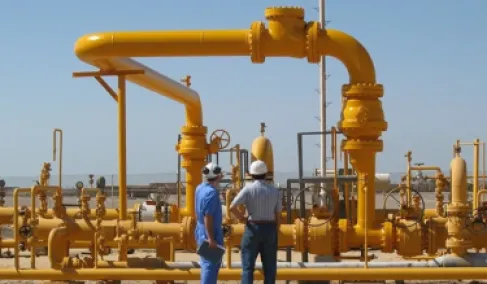
The agreement stipulated supplying Damascus with about 4 million cubic meters per day, equivalent to 140 million cubic feet, via the Arab Gas Pipeline, relying on imported liquefied natural gas and re-gasification at Aqaba port before being pumped north.
Jordan had commenced actual pumping operations at the beginning of January 2026, with quantities ranging from 30 to 90 million cubic feet per day, as part of phased operational arrangements aimed at enhancing the flexibility of the Syrian network.
The project relies on the floating re-gasification vessel “Energos Force” stationed in Aqaba, which receives shipments of liquefied natural gas from global markets, then converts it back to its gaseous state for pumping through the national network.
Jordan, through this mechanism, has provided urgent support to the Syrian electricity sector, especially as Damascus does not yet have the infrastructure to receive liquefied natural gas or re-gasify it locally, according to the specialized energy platform.
According to official data, the available capacity for electricity generation in Syria recently exceeded 3,000 megawatts, compared to an increase in demand reaching about 7,000 megawatts, explaining the continued deficit gap and daily long blackouts.
Sources, in their statements to the energy platform, confirmed that the decision to suspend gas exports to Syria is "temporary", and that Jordan is studying technical and financial options to resume gas pumping as soon as supplies stabilize and there is a surplus sufficient to cover contractual commitments.
Disruption of Israeli gas to Jordan
The decision to cut exports to Syria came after the complete cessation of Israeli gas to Jordan last Saturday, February 28, following the closure of parts of the offshore production facilities by a security decision, which directly reflected on the electricity generation plans inside the kingdom.
The General Director of the Jordan Electricity Company, Dr. Sofyan Al-Batayneh, confirmed - in statements to the specialized energy platform - that the electrical system immediately switched to the approved emergency plans to ensure network stability and to maintain supply security.
Jordan resorted to three main alternatives, including relying on liquefied natural gas through the re-gasification vessel currently in Aqaba port, in addition to operating some power generation stations on heavy fuel, and using diesel in specific stations to cover loads.