Khaberni - Many people believe that fresh foods are always the better choice, and that frozen foods are nutritionally inferior. This belief has been prevalent for years and is associated with the idea that freezing may lead to the loss of vitamins and beneficial elements. However, with the development of modern freezing techniques, it has become important to reconsider this idea and understand the scientific truth behind the nutritional value of frozen foods, and whether they are indeed less beneficial than fresh food or not.
What are frozen foods?
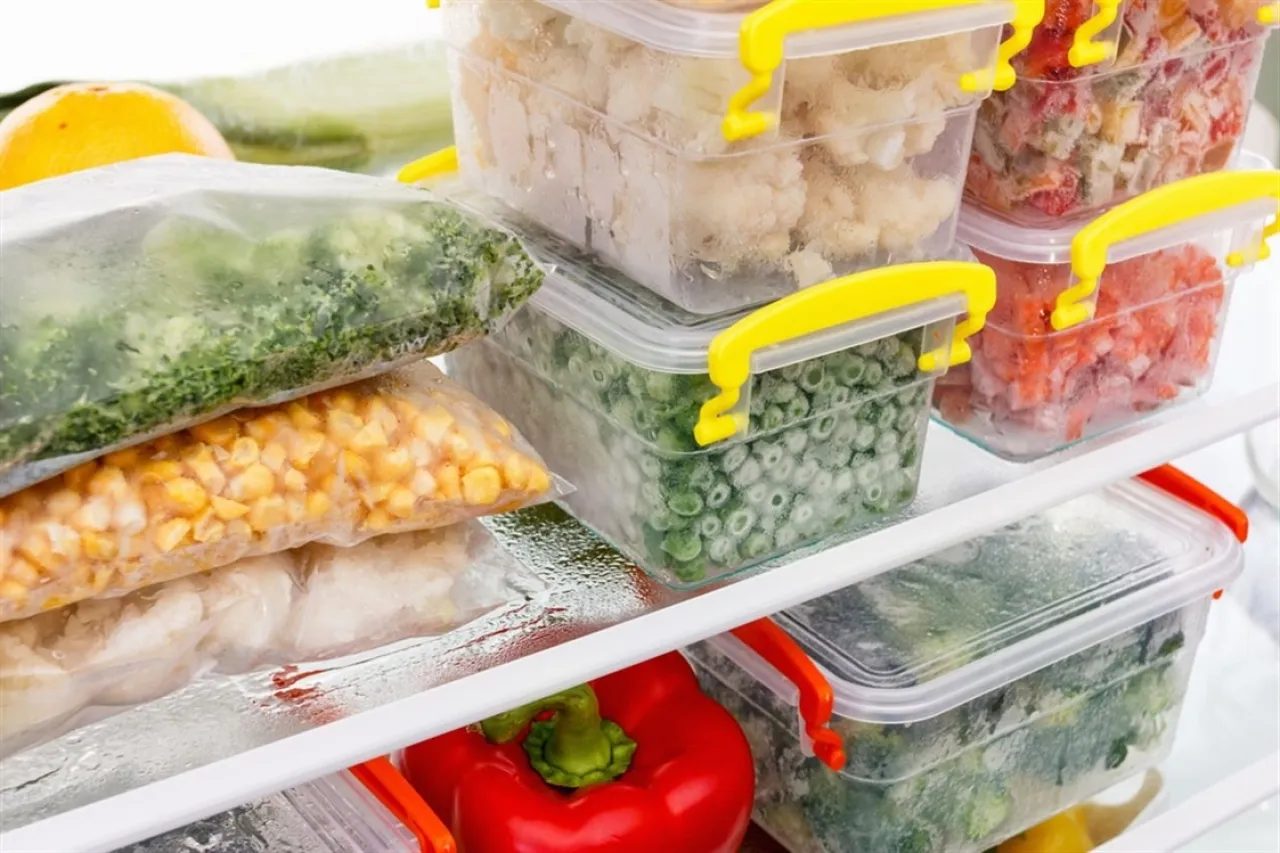
Frozen foods are those that are preserved by reducing their temperature below zero, which stops the growth of bacteria and slows down the chemical reactions that cause food spoilage. Vegetables and fruits are usually frozen shortly after harvest, sometimes within hours, to preserve their quality.
This process helps in retaining nutrients for a long period, without the need for preservatives in most cases. Therefore, freezing is considered an effective way to preserve food, and not necessarily reducing its nutritional value.
The nutritional value of frozen foods
Many studies indicate that the nutritional value of frozen foods may be very close to that of fresh foods, and sometimes better in some cases. The reason for this is that fresh vegetables and fruits may lose some vitamins during transport and storage, especially if they remain in markets or refrigerators for long periods.
On the other hand, food is frozen quickly after harvest, which helps preserve most of the nutrients. For example, vitamin C and some antioxidants can remain well preserved in frozen food.
However, there may be a slight loss of some heat-sensitive or processed vitamins, but this loss does not make frozen food useless as some might think.
The difference between frozen and fresh food
The difference between frozen and fresh food can be clarified through several important aspects:
Storage duration: Fresh food spoils quickly, while frozen food can be preserved for long periods.
Nutrient preservation: Frozen food retains most of the nutrients, especially if it is frozen quickly.
Ease of use: Frozen foods are often ready to cook, which saves time and effort.
It is important to know that the quality of fresh food depends on how fresh it is, and not just on whether it is not frozen. Fresh food that has been stored for a long time may lose some of its nutritional value.
Benefits of frozen foods
There are many benefits of frozen foods that make them a practical and healthy choice, especially for people with a busy lifestyle. Some of these benefits include:
Availability throughout the year: You can obtain different types of vegetables and fruits at any time.
Reducing waste: You can use only the required amount, which reduces food spoilage.
Easy storage: They can be kept for a long time without worrying about them spoiling quickly.
Maintaining quality: Freezing helps preserve the taste and nutritional value.
These advantages make frozen foods a suitable choice for many households.
Is frozen food healthy?
The answer to whether frozen food is healthy depends on the type of food and how it is prepared. Natural frozen foods, such as vegetables and fruits without additives, are considered a healthy and beneficial choice.
However, some ready-to-eat frozen foods may contain high amounts of salt, fats, or additives, which may reduce their health value. Therefore, it is important to read the ingredients and choose products that contain the least possible amount of additives.
The cooking method also plays an important role, as cooking food in a healthy way helps preserve its benefits.
Is fresh always better?
In some cases, fresh food is better, especially if it is truly fresh and has not been stored for a long time. However, in other cases, frozen food may be a better choice, as it has been preserved quickly after harvest.
In other words, the difference is not always in favor of one option over another, but depends on the quality of the food and storage conditions.
How to choose the best option?
To get the best nutritional value, you can combine fresh and frozen foods. Choose fresh food when it is available in high quality, and use frozen foods when fresh food is not available or when you need a practical and quick option.
Make sure to store food properly, and avoid refreezing food after thawing, as this can affect the quality.
In conclusion, it cannot be said that frozen foods are less nutritionally valuable than fresh foods absolutely. In fact, they can be a healthy and beneficial choice, especially when they are frozen and stored properly. Understanding the difference between frozen and fresh food helps you make better dietary decisions and take advantage of the benefits of each type. The most important thing is to choose good quality foods and prepare them in a healthy way to ensure the best possible nutritional value.