Khaberni - Honey is considered one of the most valuable and beneficial natural foods, as it is not just a natural sweetener, but a food rich in beneficial elements that the body needs; however, another type known as adulterated honey has spread in the market, causing many people to feel confused when purchasing.
Therefore, it has become necessary to know the difference between natural honey and non-original honey, and understand the methods that help to easily detect it, especially with the spread of products that may look similar in appearance but differ completely in quality and benefits.
What is natural honey?
Natural honey is the product made by bees from the nectar of flowers, where bees collect the nectar and store it in wax cells, then transform it into honey through complex natural processes. This type is characterized by containing beneficial enzymes, antioxidants, and minerals such as iron and potassium, in addition to its anti-bacterial properties. These elements make natural honey a beneficial food for supporting immunity and generally improving health.
The taste of natural honey is not always uniform; it varies according to the source of the flowers, it may be light or strong, light or dark colored, and all this is completely natural. These variations reflect the diversity of the environment from which the honey came, and this is a positive sign, not a flaw.
What is adulterated honey?
Adulterated honey is a product that is manipulated by adding other substances such as sugar, glucose syrup, or corn syrup with the aim of increasing the quantity and reducing the cost. Sometimes, a small amount of natural honey is mixed with these materials to give a convincing appearance.
This type lacks the true nutritional value found in original honey, and may simply be a source of sugar without the well-known health benefits of honey. Also, its taste is often overly sweet in an unnatural way and lacks the complexity of flavor that characterizes natural honey.
The difference between natural honey and adulterated honey
The difference between natural honey and adulterated honey can be observed through several clear aspects, including:
The consistency: Natural honey is coherent and flows continuously when poured, while adulterated honey might be overly light or excessively liquid.
Taste and smell: Natural honey has a light floral smell and rich taste, while adulterated honey is overly sweet with a weak smell.
Crystallization: It is natural for natural honey to crystallize over time, whereas adulterated honey may not crystallize or may change form unnaturally.
These differences help greatly in how to detect the original honey upon simple inspection.
Testing natural honey at home
There are some simple methods that can help verify the quality of honey without the need for complex tools. Some of the most famous methods for testing natural honey include:
Water test: Put a spoonful of honey in a cup of water without stirring. Natural honey usually settles at the bottom and does not dissolve quickly, while adulterated honey dissolves quickly.
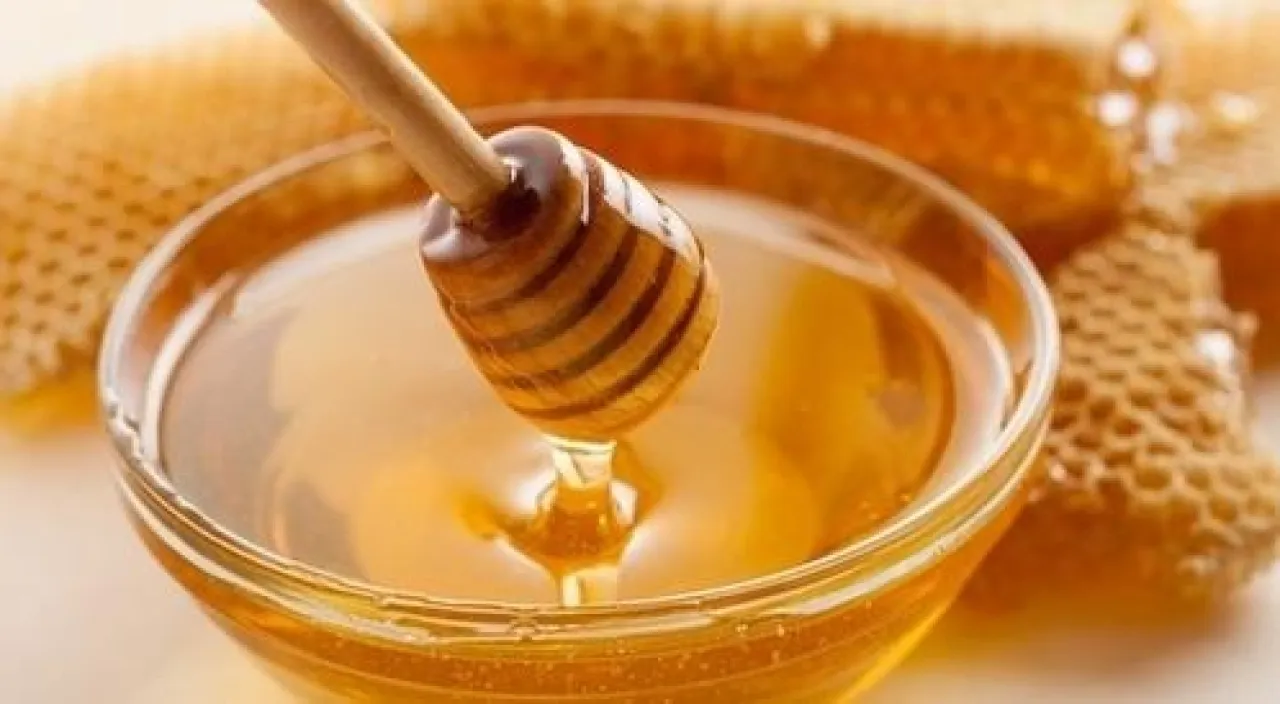
Consistency test: When lifting honey with a spoon, it should flow continuously and not in separate drops.
Paper test: Place a drop of honey on a napkin or paper; if it does not spread quickly and remains coherent, this is a good indicator that it is natural.
These tests are not 100% accurate, but they provide a strong indicator of the quality of the honey.
Is the price an indicator of honey quality?
In many cases, the price is an important indicator, as producing natural honey requires effort and time from the bees and beekeepers, so it is not very cheap. If the price is unreasonably low, it could be a sign that the product is not fully natural.
However, one should not rely solely on the price, but it is best to purchase from a trusted source, and pay attention to the consistency, taste, and smell.
Why is it important to choose natural honey?
Choosing natural honey is not only about taste but also about health. Original honey contains real benefits such as supporting immunity, aiding in soothing the throat, and improving digestion, whereas adulterated honey mostly does not offer these benefits and may just be an additional source of sugar.
In the end, knowing the difference between natural honey and adulterated honey has become an important skill for every consumer and by observing some simple details and conducting easy tests at home, it is possible to avoid purchasing counterfeit products. Choosing original honey ensures obtaining a healthy and beneficial product, and gives you confidence in the quality of what you consume daily.