Khaberni - When an explosion occurs, the sound no longer remains just transient noise, but suddenly transforms into an electrical pulse that pierces the brain, rearranges its priorities, and whispers a single message: «Stay alive».
This is where the story begins, not just on the frontlines, but also inside the head, where the real battle between pulse and peril takes place.
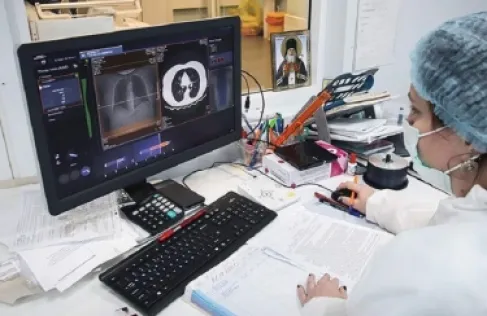
As the war rages on in Iran, millions of people live through an experience not measurable by the number of missiles nor by the magnitude of destruction, but by the invisible imprints it leaves in their brains. War, as scientists assert, is not merely a transient political event, but a harsh biological process that reprograms the human brain at the level of cells and neural pathways.
Published studies in prestigious scientific journals such as "Nature" and "Science" suggest that continuous exposure to threats turns the brain into what resembles a "permanent emergency room".
The amygdala, the center of fear, becomes overly active, capturing any sound or news as a potential danger, whereas the efficiency of the frontal cortex, responsible for calm thinking, planning, and decision-making, declines. The result is a person who is quick to stress, sharp in reaction, living with a "survive now" mentality rather than "thinking of the future later".
In Iran, where news of bombardments and threats intersect with daily life, the brain does not need to directly see the danger; the constant feeling of it is enough.
Dr. Khaled Zahran, a consultant psychiatrist, says, "When individuals' brains change, the behavior of the entire society changes, leading to higher rates of anxiety and depression, a decline in trust among people, the spread of caution, violence, or social withdrawal, and difficulty in dreaming of the future as the brain is stuck in the threatened present."
Dr. Zahran points to reports issued by the World Health Organization, confirming that wars leave a psychological burden that may surpass their physical destruction in impact.
War triggers an invisible conflict that reprograms the brain
Can the brain recover?
Despite the grim picture, Dr. Zahran offers a window of hope, based on the brain's amazing ability known as "neuroplasticity", to rebuild itself provided there is a safe environment and long-term psychological support.
Dr. Zahran notes that studies on treating post-traumatic stress disorder have proven that regular psychological therapy helps restore a sense of security, and social support can rebalance the circuits of fear and conscious thinking, even years after the trauma.