Khaberni - The supply of Israeli gas to Jordan has stopped completely, in a sudden development that places the kingdom's energy system in front of a new challenge amidst escalating military tensions in the region.
The General Manager of the Jordan National Electric Power Company, Dr. Sofian Al-Batayneh - in statements to the specialized energy platform based in Washington - confirmed that the natural gas supplies coming from Israel have ceased entirely, indicating that the electrical system immediately switched to approved emergency plans.
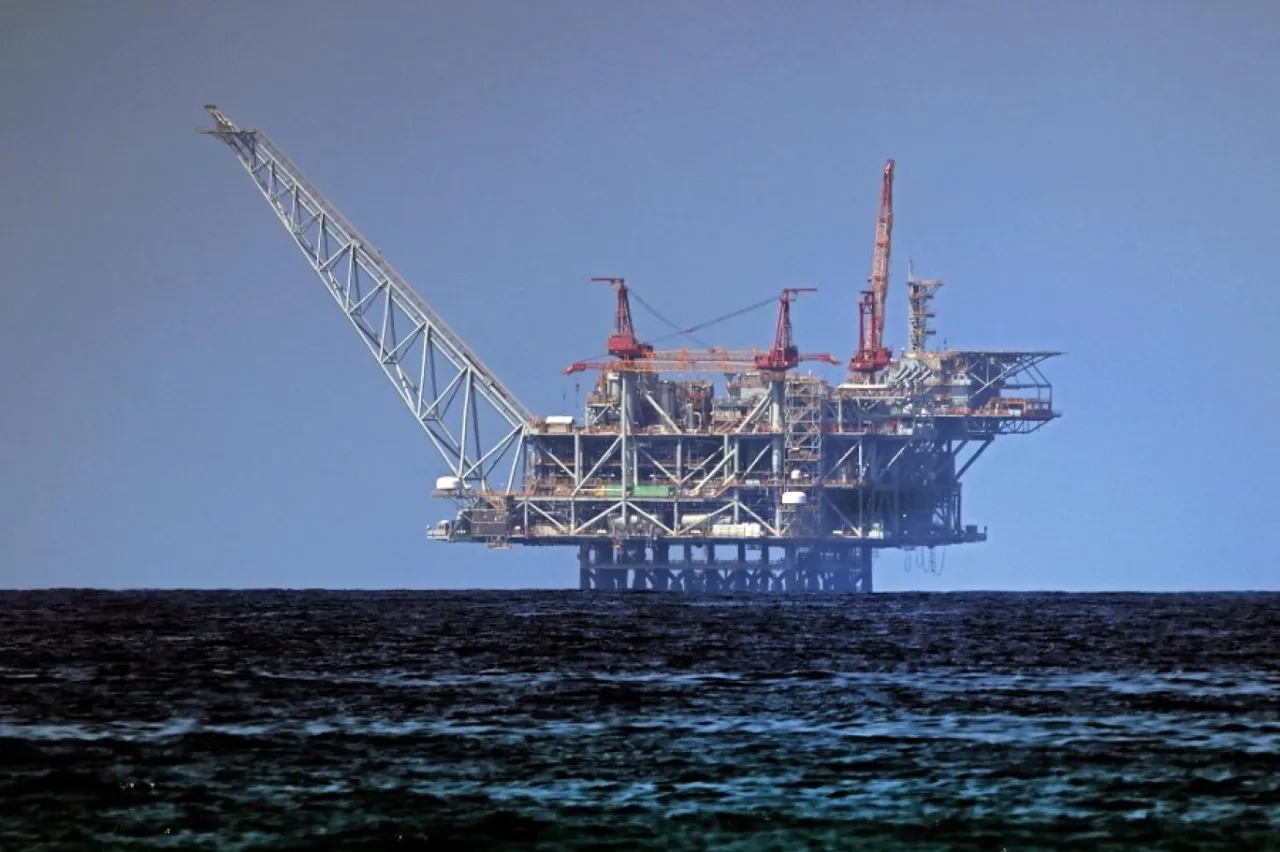
The cessation of Israeli gas exports to Jordan followed Tel Aviv's decision to close parts of its offshore gas facilities, based on security assessments amid the current military escalation.
The decision included the closure of the Leviathan offshore field (with reserves of 22.9 trillion cubic feet), which is a fundamental pillar for Israeli gas exports to Jordan and Egypt.
Jordan's electrical grid
Al-Batayneh revealed that the kingdom resorted to three main alternatives to ensure the stability of the electricity network in Jordan and to protect supply security.
The three alternatives are as follows:
Relying on liquefied natural gas through the floating regasification vessel "Energos Force" stationed at Aqaba port, which receives liquefied natural gas shipments from global markets and reconverts them into gas form for injection into the network.
Operating some generation stations on heavy fuel oil (mazut) to cover part of the load, especially during peak times.
Using diesel in specific stations to ensure operational flexibility and quick response to any sudden increase in demand.
Al-Batayneh emphasized that the stockpiles of traditional fuel and liquefied natural gas are sufficient to cover the needs of the electrical system for the upcoming period, confirming the readiness of the stations to switch between different types of fuel with high efficiency.
Jordan has been linked since 2016 by a gas import agreement, which began to be implemented at the beginning of 2020 for a duration of 15 years, stating the purchase of gas from "Noble Energy," before its stake in the Leviathan field was transferred to Chevron as the main operator of the field.
Leviathan produces about 12 billion cubic meters annually, with plans to increase production to 14 billion cubic meters by 2026 and then to more than 20 billion cubic meters annually after the expansion.
Jordan's electricity mix
The share of natural gas from Jordan's electricity mix in 2024, according to the latest data from the energy platform, was about 8.08%, compared to 61.1% in 2023, reflecting a relative decline in reliance on gas.
In contrast, the contribution of oil shale rose to 15% compared to 12.62%, and the share of renewable energy climbed to 26.92% compared to 26.28% in 2023.
The total electricity generated from various sources amounted to about 25,080 gigawatt-hours during 2024, compared to 24,182 gigawatt-hours in 2023, indicating growth in demand and improved production.