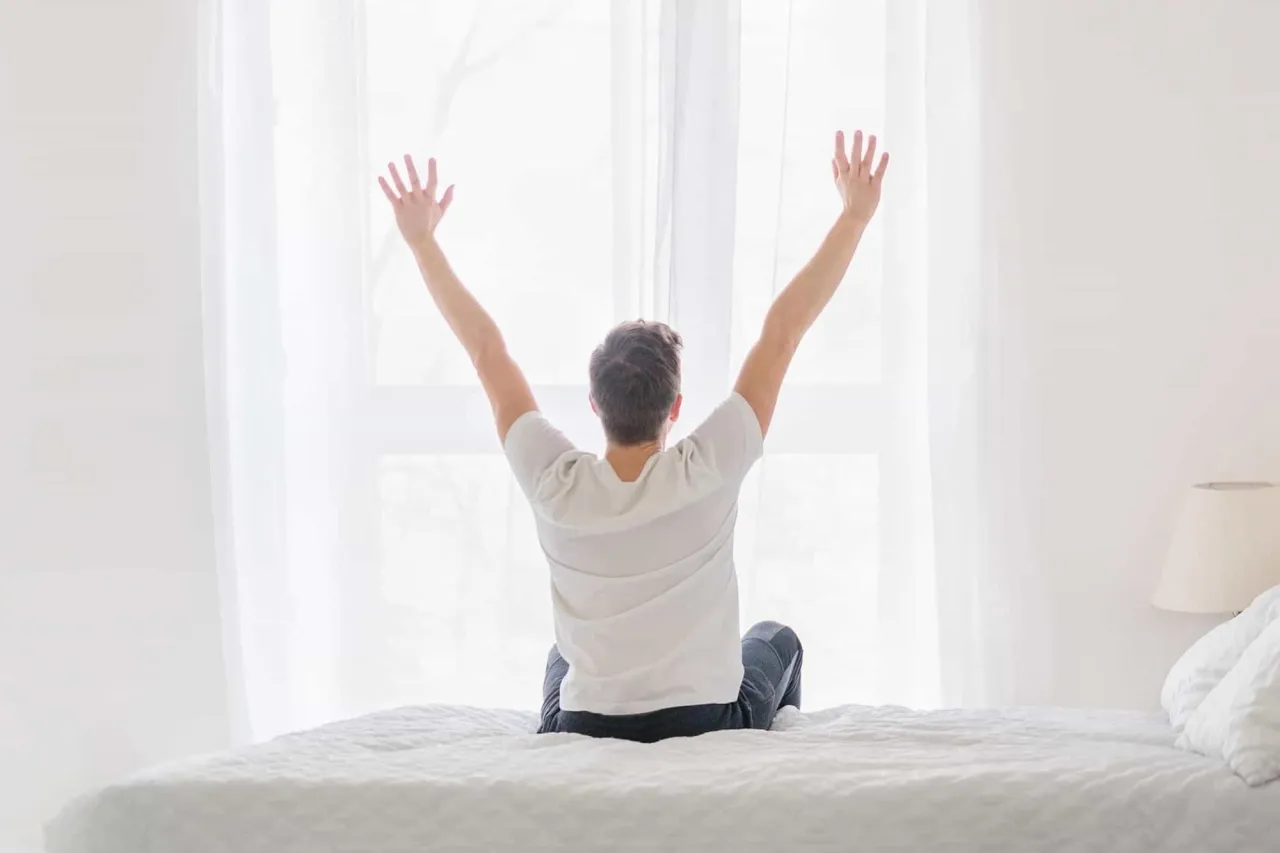
Khaberni - By the time it’s 5 AM, social media platforms are filled with pictures of “successful” people starting their day before everyone else with: a cold plunge, journaling, running with the sunrise.
Early waking up... is not a magic recipe
Experts believe that waking up at 5 AM does not necessarily align with everyone's biological nature, and it might adversely affect some people's health and productivity, as it relates to what is known as “chronotype” or the individual's biological rhythm, which are the times a person naturally feels awake or sleepy.
Research, according to "Science Alert", indicates that sleep timing is not just a habit but is also partially influenced by genetics; making the chronotype inheritable.
This pattern also changes through different stages of life, as teenagers tend to stay up late, while older people prefer to sleep and wake up early. The majority, however, falls into a middle zone between these patterns.
Studies have shown lifestyle differences between these groups. Morning types on average, score higher academically, and have lower rates of smoking and alcohol use, alongside a greater commitment to exercising.
On the other hand, night owls report higher levels of fatigue and a decline in mental and physical health indicators.
However, this does not mean that one pattern is “better” by nature, but it may simply reflect how well a sleep pattern matches with the prevalent work and study schedules.
Clash of the biological clock with the social clock
The difference between an individual's biological rhythm and their daily schedule is known as “social jetlag”, meaning living according to a time different from the body’s internal clock. This disruption is linked to decreased academic performance and overall health, as well as increased risks of diseases such as diabetes, high blood pressure, and obesity.
In this context, forcing night owls to wake up early permanently can lead to a cumulative lack of sleep, concentration issues, and mood deterioration over time.
How do you discover your chronotype?
Instead of imposing a routine that does not suit your nature, experts recommend monitoring your sleep patterns during workdays and holidays, recording sleep and wake times, along with tracking energy levels and mood.
The speed of falling asleep can also be an indicator; sleeping within less than 30 minutes typically means that the timing is appropriate, while taking more than an hour might indicate a delayed pattern.
Exposing yourself to morning sunlight and reducing screen use in the evening can help improve sleep timings, but biological limits remain in place.