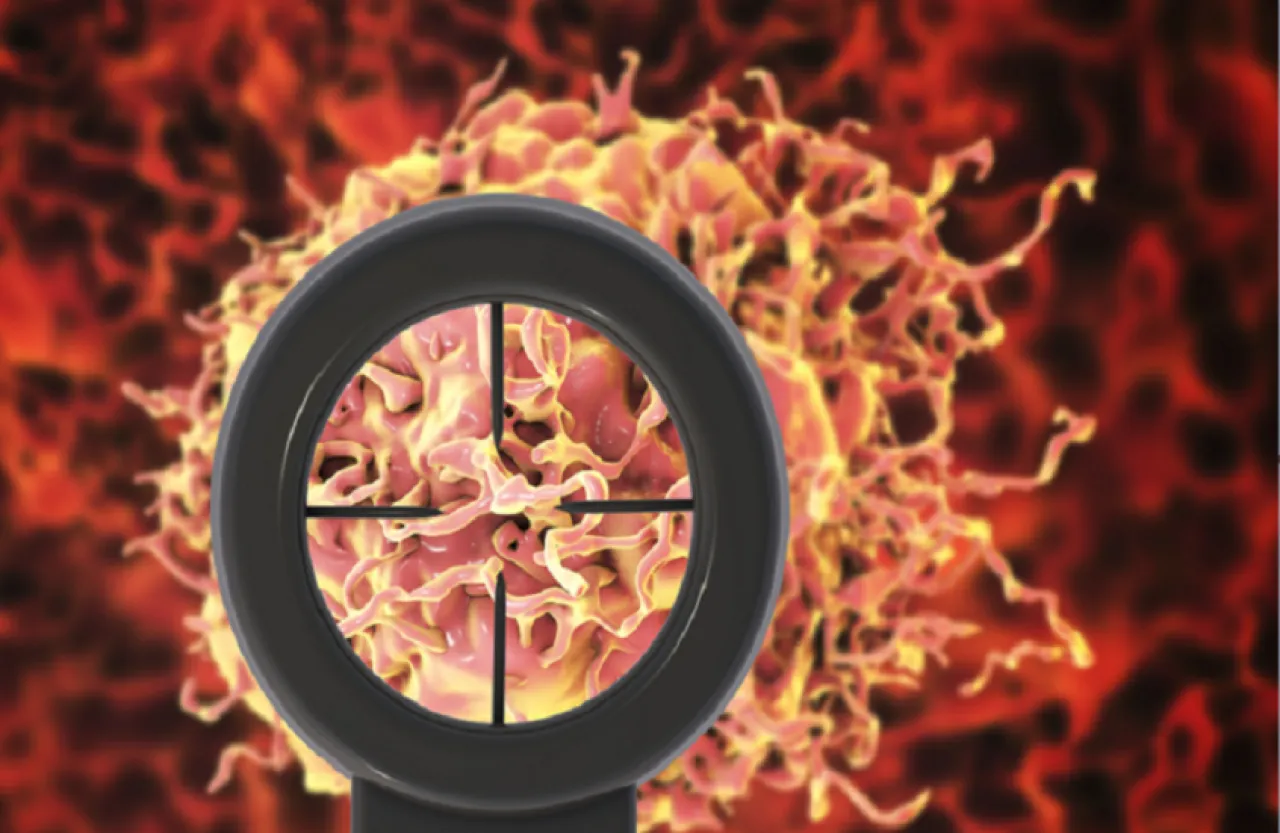
Khaberni - An international team of researchers has made promising progress in the treatment of early-stage prostate cancer through the combination of advanced immunotherapy and hormone therapy before surgery.
The results indicate that this combination can strengthen the immune response and reduce cells that prevent the body from fighting the tumor, thus increasing patients' chances of remaining cancer-free.
Immunotherapy is usually ineffective against prostate cancer because tumors at this stage are considered "cold" immunologically, i.e., they do not attract enough immune cells to attack them. On the other hand, hormone therapy known as androgen deprivation therapy (ADT) helps to stimulate a temporary immune response but also increases the number of regulatory T cells (Tregs), which are cells that prevent the immune system from working effectively.
In this regard, the "Mayo Clinic" led a multi-center study, published in the journal Cell Reports Medicine, to test whether combining the new immunotherapy with hormone therapy before surgery could reduce these inhibitory cells. The study included 24 men with high-risk early-stage prostate cancer.
The results showed that adding the experimental monoclonal antibody BMS-986218, designed to target regulatory T cells, to hormone therapy helped reduce the number of these cells within the tumors compared to hormone therapy alone. According to Dr. Casey Ager, a researcher at Mayo Clinic and the lead author of the study: "Our goal has always been to reduce regulatory T cells within the tumors, and we have now succeeded in testing a drug specifically designed to achieve this."
Administering the treatment before surgery allowed researchers to study the fully excised tumors, giving them a better understanding of how the treatment affects immune cells within the tumor, identifying patients who could benefit more, and establishing biomarkers to guide future trials.