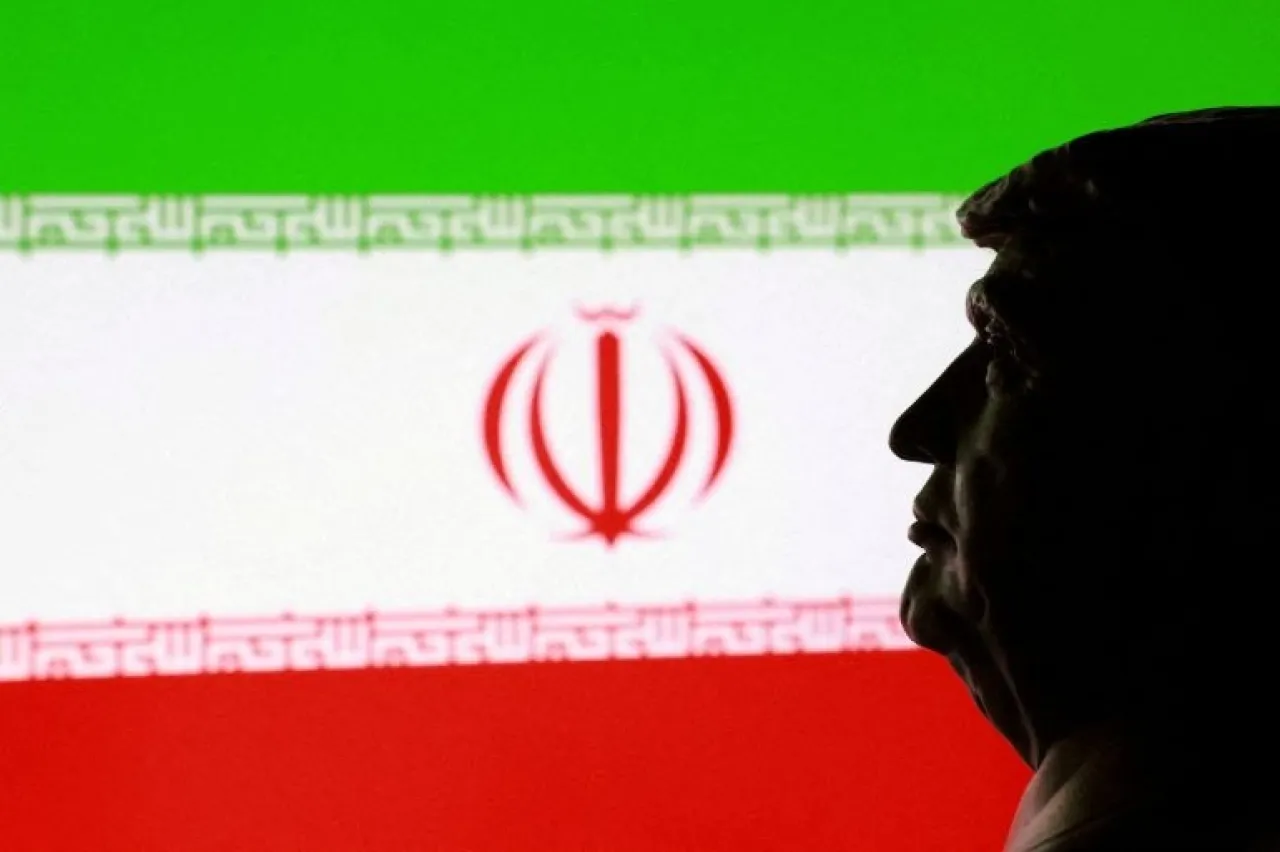
Khaberni - Iranian Foreign Minister Abbas Araghchi said - following the end of the third negotiation round with Washington in Geneva on Thursday evening - that diplomatic efforts with the United States have seen further progress, while sources reported that President Donald Trump has been briefed on military options against Tehran.
Araghchi, via his account on the "X" platform, described the negotiations as the most focused to date, and explained that they concluded with mutual understanding, adding "We will continue to engage in more detailed issues of any agreement, including ending sanctions and nuclear-related steps."
He indicated that technical discussions will be held in Vienna next Monday with experts from the International Atomic Energy Agency.
The Iranian official concluded that the chances of success in negotiations with Washington are high unless they are obstructed by parties pushing towards escalation and war.
No comment has yet been issued by the American negotiating team on the results of the talks, but the "Axios" site quoted a high-level American official saying that the Geneva negotiations were "positive."
Meanwhile, Oman - mediating between the United States and Iran - confirmed that both sides made significant progress in the nuclear talks that took place last Thursday, announcing the parties' intention to resume negotiations immediately after the consultations in Tehran and Washington.
Military Options
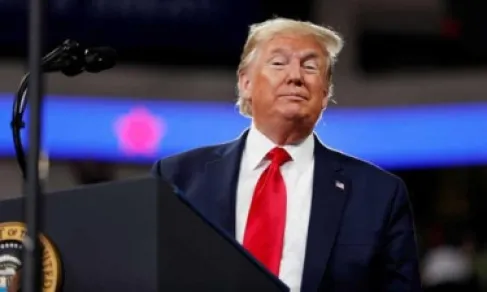
Concurrently with Araghchi's statements, "ABC News" reported from a source that the commander of the US Central Command briefed Trump on Thursday on potential military options against Iran, in the presence of the Chairman of the Joint Chiefs of Staff and the top military adviser to the American President, Dan Kaine.
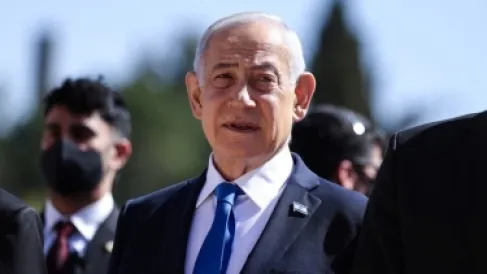
Sources told the network that joint American-Israeli military action against Iran remains possible, especially given the large movements of ships and fighter jets by Washington to the region.
"ABC News" reported that many Republicans and some officials in the Trump administration have privately called in recent days for Israel to take the lead in striking Iran, rather than the United States.
According to informed sources for the network, the opening strike on targets in Iran under Israeli command would not only be a form of coercion in the negotiations but could also contribute to paralyzing more of Iran's air defenses, should the American president decide to proceed with a military operation seeking to overthrow the regime in Tehran.
Vance: We Do Not Want a Prolonged War
In the same context, JD Vance, the Vice President of the United States, confirmed that his country is not prepared for a war spanning years in the Middle East, resulting from strikes that may be directed at Iran.
Vance - in statements to the Washington Post – said the options discussed include military strikes aimed at ensuring that Tehran does not acquire nuclear weapons or resolving the issue diplomatically, adding "I do not know what President Trump will decide about Iran. I think we all prefer the diplomatic option," but noting that it depends on "what the Iranians do and say."
The Vice President referred to military attacks on Iranian sites in mid-last year and the operation to arrest Venezuelan President Nicolas Maduro early this year, which were very clearly defined operations, emphasizing that there is no chance for the idea of engaging in a war that lasts years "with no end in sight" in the Middle East.
Vance remarked that it is necessary to avoid repeating what he described as "past mistakes", but also to avoid over-learning from them, clarifying "Just because a president made a mistake in a military conflict does not mean we will not engage in a military conflict again. We must be cautious and I believe President Trump is cautious."
Vance is scheduled to meet with Omani Foreign Minister Badr Albusaidi in Washington today, Friday, in previously unannounced talks, according to American media.
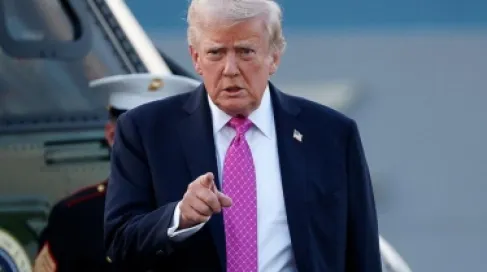
About a week ago, Trump gave Iran between 10 and 15 days to reach an agreement with the United States or it will face "bad things", as part of Washington's unprecedented military buildup in the Gulf and the Middle East.
During his "State of the Union" speech on Tuesday, Trump stated that he prefers resolving the dispute diplomatically but accused Tehran of continuing its nuclear ambitions, developing missiles capable of reaching Europe and even the United States.