Khaberni - Fish and seafood are considered a Ramadan meal of high nutritional value, yet the divider between reaping their health benefits and falling into the trap of emergencies lies in precise selection and cooking craftsmanship.
In this context, Egyptian specialists offer through "Alarabiya.net" and "Alhadath.net" a comprehensive guide that ensures the safety of fasters when consuming seafood. Dr. Radwa Ahmed Shahin, Assistant Professor of Nutrition and Food Sciences at Ain Shams University, asserts that ensuring the meal's safety begins from the moment of purchase, emphasizing the necessity to buy well-chilled fish and shrimp or those displayed on a thick layer of fresh ice, and preferably covered.
Color Deception
The Egyptian specialist advised bypassing the color deception and not relying solely on color as an indicator of freshness, as it can be affected by the fish's diet, the environment, and processing methods.
She also stated that fish should have a light, fresh scent and not be pungent, acidic, or ammonia-like, with the necessity that the eyes be clear and shiny, adding that fish flesh should be firm and bounce back to its original state when pressed, and the gills should be red and not sticky.
Dr. Radwa Shahin clarified that when choosing shellfish and mussels, one should check the product's identification card for the source, and immediately dispose of any cracked shells, and she recommended performing a "tap test," where live shellfish close when tapped, and if not responsive, should be discarded. As for crabs and lobsters, they should be bought alive only, with movements being observed as they spoil quickly after death.
Wrong Dietary Habits
Dr. Mervat El-Sayed, Director of the African Center for Women's Health Services and a consultant in emergency medicine, tropical medicine, and injury, warned about succumbing to wrong dietary habits.
In her statements to "Alarabiya.net" and "Alhadath.net," she noted that fish are rich in protein, omega-3, and vitamins but require special medical awareness in Ramadan.
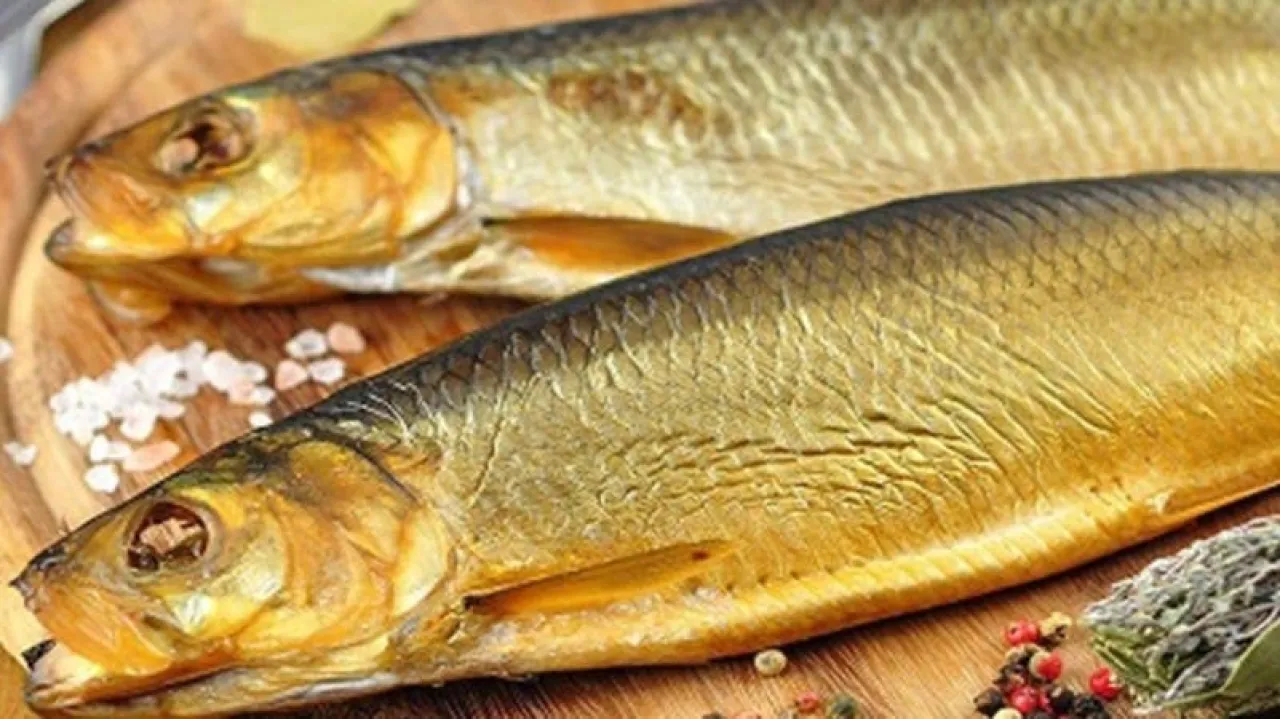
She refuted a common myth, which is the belief by some that herring and feseekh are part of Ramadan traditions and do not harm the faster, confirming the truth that they are ticking bombs of sodium and bacteria, which can lead to acute poisoning, and that soaking them in lemon or vinegar does not kill the bacteria nor reduce the sodium to safe levels.
She revealed that emergency departments receive numerous cases suffering from high blood pressure and fluid retention due to sodium, as well as severe gastrointestinal episodes (vomiting, diarrhea) and stomach infections resulting from bacteria in undercooked fish or shellfish.
Kidney Stress
She emphasized the need for thorough cooking of fish, especially for patients with hypertension, kidney, and heart diseases, pregnant women, and the elderly to avoid bacterial poisoning, advising against consuming herring, feseekh, and salted sardines entirely during fasting to prevent severe thirst and kidney stress.
She also stressed not to start breaking the fast or the pre-dawn meal with salted fish and preferred consuming them after a balanced meal of vegetables and carbohydrates, with the need to moderate the quantities and consume them in stages.