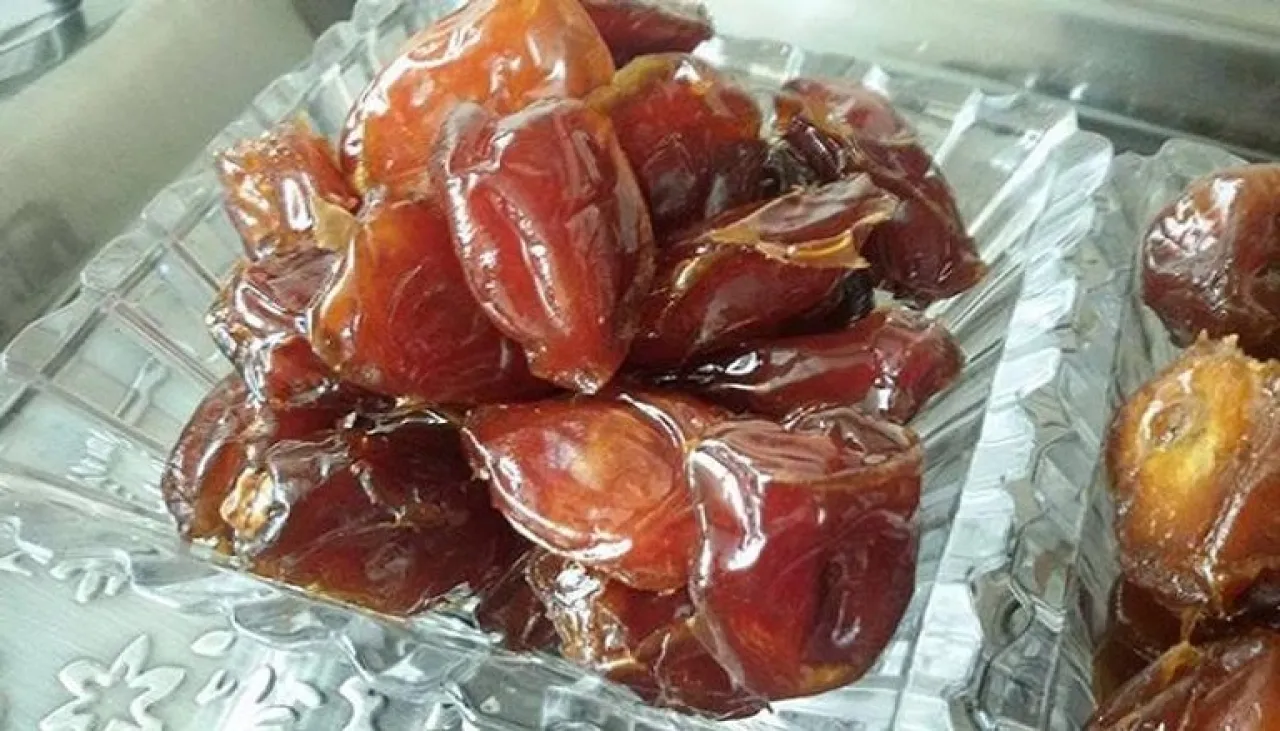
Khaberni - Egyptian dates lead the scene during Ramadan, not only as a basic element on iftar tables but also as an economic lever contributing to support foreign currency reserves and boosting Egypt's position on the agricultural export map.
Cairo is betting on "brown gold" as one of the sustainable pathways for increasing export earnings, at a time when government efforts to support productive sectors capable of generating hard currency and reducing pressure on the exchange market are accelerating.
Export leap and record numbers
According to recent official data, Egyptian date exports reached a revenue of $105 million in 2024, achieving 20% growth compared to the previous year, an indicator reflecting noticeable improvement in product quality and its competitiveness in foreign markets.
The results come amidst the expansion of the global date market, which has surpassed $29 billion, according to estimates by "Mordor Intelligence", opening the field for further expansion for the Egyptian product, particularly with the growing demand for luxury varieties and value-added products.
The Toshka region represents one of the most prominent axes of expansion in the date industry, as it houses the largest date palm farm in the world, spanning about 38,000 acres and housing approximately 1.6 million fruit-bearing trees, with a clear focus on high-quality varieties like 'Medjool' which are increasingly in demand in European and American markets.
These massive projects are viewed as the cornerstone in the state's strategy to transition from just the world’s largest producer of dates to one of the top exporters, through improving the packing and packaging system, opening new markets, and expanding in date-related processing industries.
The importing markets for Egyptian dates vary between Asia, prominently Indonesia and Malaysia, Africa with Morocco at the forefront, as well as Turkey in Europe and the Middle East.
Egypt has also begun penetrating new markets with manufactured products, such as exporting date syrup to Europe, and innovative products like hot pepper paste blended with dates to Mexico, in a move reflecting a shift towards increasing value-added rather than just exporting raw products.
The current surge is part of the state’s targets to raise the value of agricultural exports to $20 billion by 2030, with a focus on sectors that possess clear competitive advantages.
Egypt’s Minister of Agriculture, Alaa Farouk, affirmed that Egypt is aiming to advance in the list of the world's leading date exporters, according to a statement released Thursday, where it currently occupies the eighth position in terms of export volume, emphasizing that the sector represents a vital resource for foreign currency and contributes to insulating the economy from currency fluctuations.