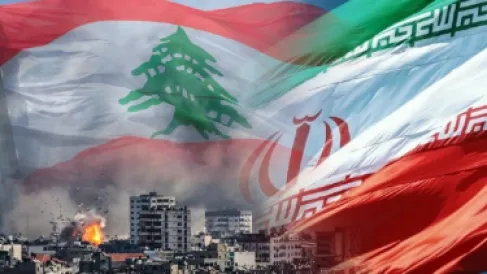
Khaberni - The third round of indirect talks between Iran and the United States is held on Thursday in Switzerland, aimed at reaching an agreement that averts the specter of war and puts an end to weeks of threats.
The new round of talks in Geneva comes as both parties have been open to dialogue since January and are simultaneously prepared for military action, which leaves everything open to all possible outcomes.
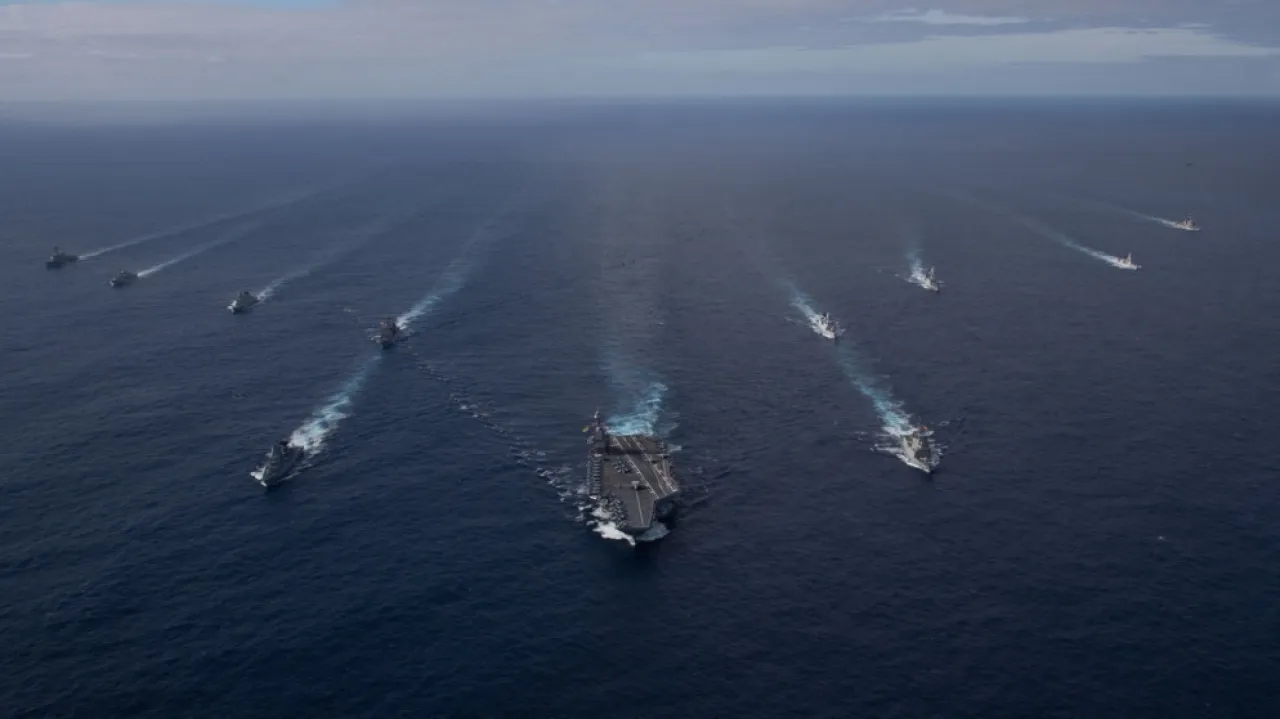
On Tuesday, U.S. President Donald Trump, who is militarily rallying in the region, said he prefers to resolve the dispute through diplomatic means, but he accused Tehran of continuing its "evil" nuclear ambitions.
Trump stated in the "State of the Union" address in Congress "We are negotiating with them, and they want to make a deal, but we have not heard from them those secret words: 'We will never have nuclear weapons'."
The American president mentioned that the Iranians "have already designed missiles that can threaten Europe and our (military) bases abroad, and they are working on building missiles that will soon be capable of reaching the United States."
The Iranian Foreign Ministry spokesman Ismail Baghaei described these claims as "big lies" in a post on the X platform.
Iran asserts that it possesses a large arsenal of domestically manufactured ballistic missiles, especially the "Shahab-3" which has a range of two thousand kilometers and is capable of striking Israel and Eastern Europe.
However, estimates by the U.S. Congressional Research Service indicate that the maximum range of these missiles is three thousand kilometers, which is less than a third of the distance to the United States.
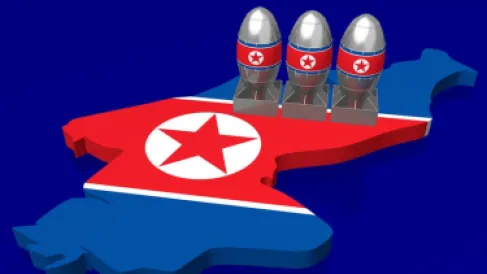
The disagreement between the two countries mostly centers around the Iranian nuclear program, which the West believes is intended to build a nuclear bomb, but Tehran insists it is peaceful.
Washington wants to include Iran's ballistic missile program in the agreement, as well as Tehran's support for armed groups opposing Israel.
On the eve of the talks, U.S. Secretary of State Marko Rubio warned that Iran must also negotiate about its missile program, describing their refusal as "a very serious problem."
He followed that by saying "the president wants diplomatic solutions."
But Iran wants to limit the negotiations to its nuclear program and demands the lifting of sanctions choking its economy to strike a deal.