Khaberni - The Parliamentary Energy and Mineral Resources Committee announced several recommendations during the meeting held today, Wednesday, on various topics related to the energy and electricity sector and the citizens' electricity tariff plan.
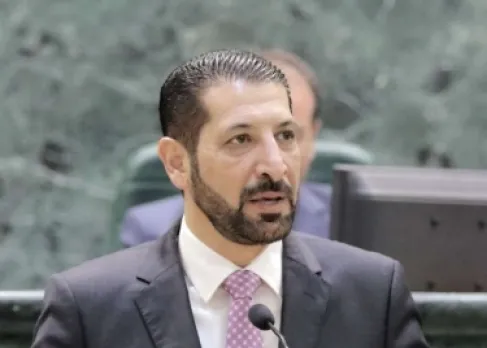
According to its chairman, Dr. Ayman Abu Haniyah, who chaired the meeting, these recommendations aim to develop the “smart tier” system and enhance seasonal fairness in electricity tariffs.
He continued, based on the principle of energy equity, linking subsidies to their actual beneficiaries, and achieving a balance between the social dimension and the financial sustainability of the electricity sector, the committee follows....
Regarding the development of the "smart tier" and enhancing seasonal justice in electricity tariffs by redesigning the concept of the "smart tier" through setting the price of the third subsidized tier at (12 piastres/kWh), adopting a price of 12 piastres/kWh for the third subsidized tier as a transitional step between moderate consumption and high consumption.
The committee explained that this recommendation aims to protect middle-income families from sudden jumps in their bills, prevent a sharp transition from full subsidy to unsubsidized tariffs, as well as achieve financial stability for families with seasonally variable consumption.
The committee also recommended adjusting subsidy eligibility based on actual average consumption by transitioning subscribers registered within the subsidized tier to the unsubsidized tier if their average monthly consumption exceeds 1000 kWh (calculated on an annual average basis).
The committee justified this measure by noting that consumption exceeding 1000 kWh per month reflects higher financial capacity, ensuring that the subsidy is directed to those who truly deserve it, preventing subsidy drain from higher consumption tiers, and enhancing fairness among subscribers.
The committee highlighted the need to re-evaluate eligibility annually, allowing the subscriber to return to the subsidized tier if their average consumption falls within approved limits.
The committee addressed seasonal justice in applying discounts by doubling the discount during peak climate months, recommending to double the discount rate currently applied to subsidized tiers during the following months: 7, 8, 9, 12, 1, and 2, considering these the peak summer and winter months when consumption increases due to climatic reasons beyond the citizen's control.
The committee noted that discounts are not applied during the rest of the year and double discounts are limited to peak months only, with no additional discounts applied during the remaining months.
The committee explained that this decision aims to direct support where it is genuinely needed, prevent distortions in consumption during moderate months, and control costs on the treasury and distribution companies.
The committee emphasized that this decision has social effects, including protecting families during climate pressure periods, preventing bill inflation during summer and winter, enhancing trust in tariff policies, and steering subsidies based on actual consumption, thereby reducing non-targeted support, improving the sustainability of the electricity sector, as well as easing loads during peak months by encouraging responsible use, and achieving greater stability in network management.
The committee recommended electronic calculation of the annual average consumption, notifying the subscriber before changing their tier, and enabling the subscriber to check their status through an application showing: their average consumption, current tier, the amount of support they benefit from, and the likelihood of transitioning.
The committee called for addressing the situations of actually inhabited homes and providing them with electricity without the need to show an occupation permit, until a specific date issued by a cabinet decision, while meeting general safety and technical requirements through relevant authorities.
The committee emphasized that this measure does not constitute recognition of a regulatory violation, nor does it confer any legal rights concerning regulatory status or ownership.
The committee emphasized that this comes as a temporary social solution to address an existing reality, prevent encroachments and tampering with the network, and subject this category of subscribers to the unsubsidized tier until their legal and regulatory statuses are rectified. Once the regularization procedures are completed and the legal status is regularized, they will automatically be transferred to the subsidized tier based on the approved criteria.
The committee recommended restructuring the tiers and enhancing energy justice by reviewing the electric tier system to achieve greater fairness among subscribers, protect middle and low-income tiers, prevent forced transitions of subscribers to higher tiers due to cumulative consumption on a single meter, and study expanding the concept of the "smart tier" to reflect seasonal conditions in certain areas (Jordan Valley, Aqaba, hot regions) so that tariffs match the climate nature and actual consumption.
Regarding the support for solar systems and the regions most exposed to heat, the committee recommended directing grants from the “Village Penny Fund” and donor agencies towards: installing high-efficiency air conditioning units powered by solar systems in the Jordan Valley and Aqaba, supporting public schools in hot regions with dedicated solar energy systems to cover cooling loads, installing solar heaters for families covered by the National Aid Fund programs, thereby reducing electricity bills and improving the quality of life. Prioritize projects that achieve: lowering loads during peak times, reducing the cost of indirect government support, enhancing environmental sustainability.
The committee called for achieving transparency and smart technologies by developing and launching official digital applications that enable the subscriber to: view their instantaneous consumption, know their current and upcoming tariff tier, calculate their bill interactively before it is issued, and receive alerts when approaching tier limits. These applications should be linked to national rationalization plans to promote a culture of responsible consumption.
The committee recommended supporting energy efficiency programs by enhancing allocations from the Energy Efficiency Program Fund and expanding its scope to include: homes with high consumption, small and medium factories, tourism facilities affected in hot regions, and providing soft loans or direct support for replacing old appliances with more efficient ones.
The committee called for intensifying national rationalization programs by launching extensive national campaigns to rationalize energy consumption in partnership with the Ministries of Education and Religious Affairs, various media outlets, and municipalities, and incorporating energy efficiency concepts into educational curricula to foster a culture of sustainability among future generations.
To support the transition towards renewable energy, achieving fairness among subscribers, and stimulating home investment in solar systems without imposing additional burdens on citizens, the committee recommended zeroing solar system meters in April and adopting it annually as the date for zeroing the net metering balance for all solar systems connected to the grid.
The committee attributed this measure to April representing a seasonal balance point between winter and summer, preventing the accumulation of unused balances for long periods, achieving periodic justice among subscribers, aligning with the climatic cycle and production of solar systems in Jordan, and notifying subscribers in advance of the zeroing date to ensure clarity and transparency of procedures.
The committee recommended not deducting (2 dinars/kW) on self-consumption systems, meaning no deduction of (2 dinars per kilowatt of installed capacity) on solar systems installed solely for self-consumption purposes that do not inject surplus into the network, do not achieve any annual credit balance.
The committee justified this recommendation because these systems do not burden the grid, do not benefit from net metering or offset mechanisms, do not generate profits or commercial surplus, and actively contribute to reducing loads and decreasing national generation costs.
The committee recommended a clear distinction between: full self-consumption systems (without surplus) without deduction fees, net metering systems with seasonal surplus applying fees based on approved criteria, and electricity selling systems (Wheeling or direct sales) handled according to a different regulatory framework.
The committee highlighted the expected impact of this recommendation in encouraging families to install solar systems, increasing economic feasibility for the subscriber, reducing the payback period, easing peak loads, decreasing transmission losses, reducing dependence on imported fuel, supporting the renewable energy sector, reducing indirect energy subsidies, and enhancing the financial sustainability of the electricity sector