Khaberni - The artistic scene in Libya is witnessing controversy after security measures were taken against several participants in a drama series accused of containing insults to official institutions and public figures.
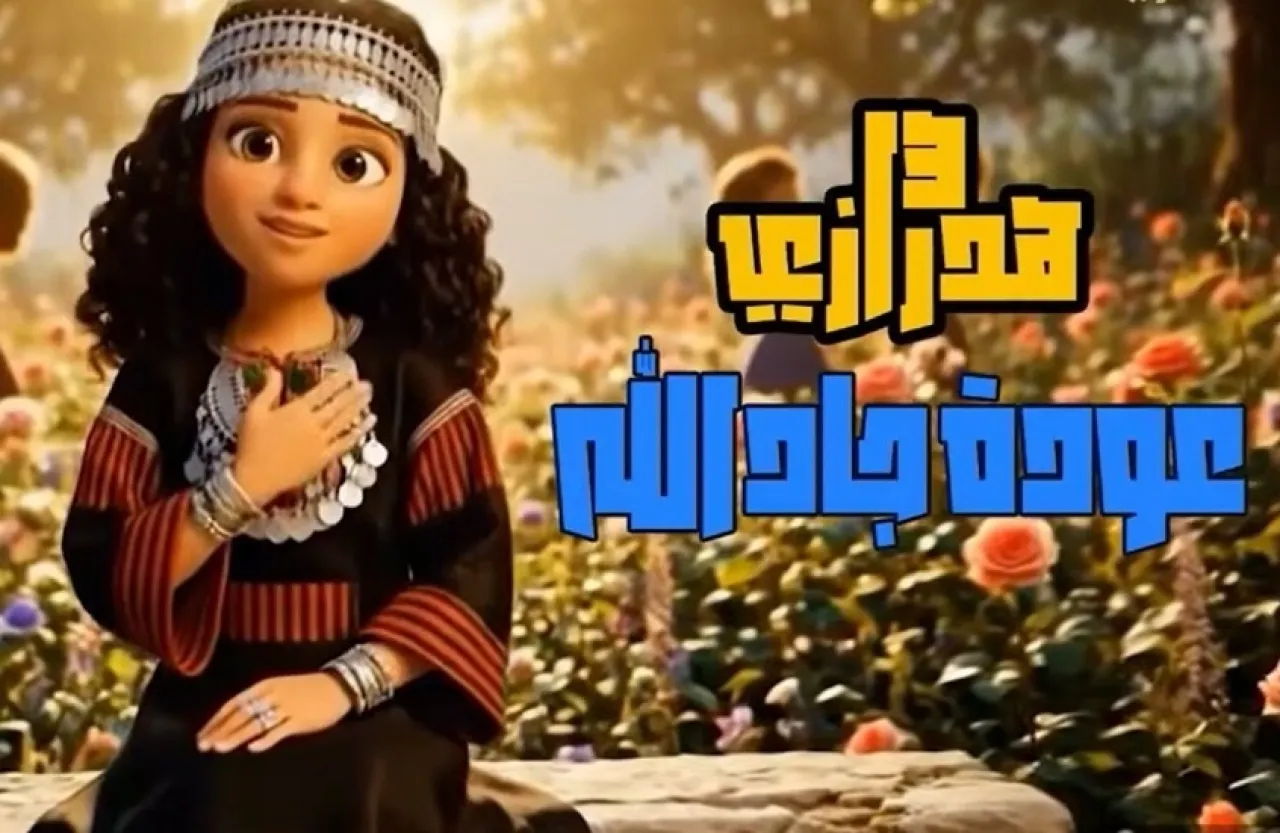
The security forces in Benghazi city halted the artist Faraj Abdel Karim following his appearance in a scene from the second episode of the series "Hadrazi 13", which was considered to contain insinuations described as offensive to security elements and the police institution, in addition to addressing criticisms of the living conditions in the city.
It was later decided to stop showing the series, which intensified the controversy within the artistic community.
In a notable development, Abdel Karim announced his retirement from the artistic work permanently upon completion of the investigations with him and his release, a move that sparked a broad wave of sympathy and criticism in cultural and human rights circles, reflecting the extent of pressures faced by artists.
Meanwhile, human rights activist Mansour Abdel Aati revealed that the team working on the series "Khalek Men Al Kalam" faces restrictions by the internal security agency in the city of Ajdabiya, where they were asked to sign commitments and filming was halted on the grounds that the work contained material offensive to the Ministry of Interior.
Artists and human rights activists considered these measures as infringing on freedom of expression and creative work, especially during the Ramadan season, which represents the peak of dramatic and media production in Libya.
Artists and human rights activists warned that the continuation of these practices might limit the development of the artistic scene and restrict the spaces of social critique reflected in dramatic works.
The Actors’ Syndicate in Benghazi also clarified that what happened to actor Faraj Abdel Karim was based on a dramatic scene within the context of a complete work, emphasizing the rejection of extracting scenes or interpreting them outside their artistic framework.
For his part, Ahmed Hamza, commissioner of the National Human Rights Foundation, considered the stopping of the showing of some comedy series that artistically and culturally criticize societal issues and certain practices, and the restriction on their creators, as arbitrary measures without legal basis and a violation of freedom of opinion, expression, and artistic and cultural work.
In media statements, Hamza confirmed that directing critical and constructive criticism at the authorities is not a crime punishable by law, stressing the necessity to reject restricting freedom of opinion and expression.