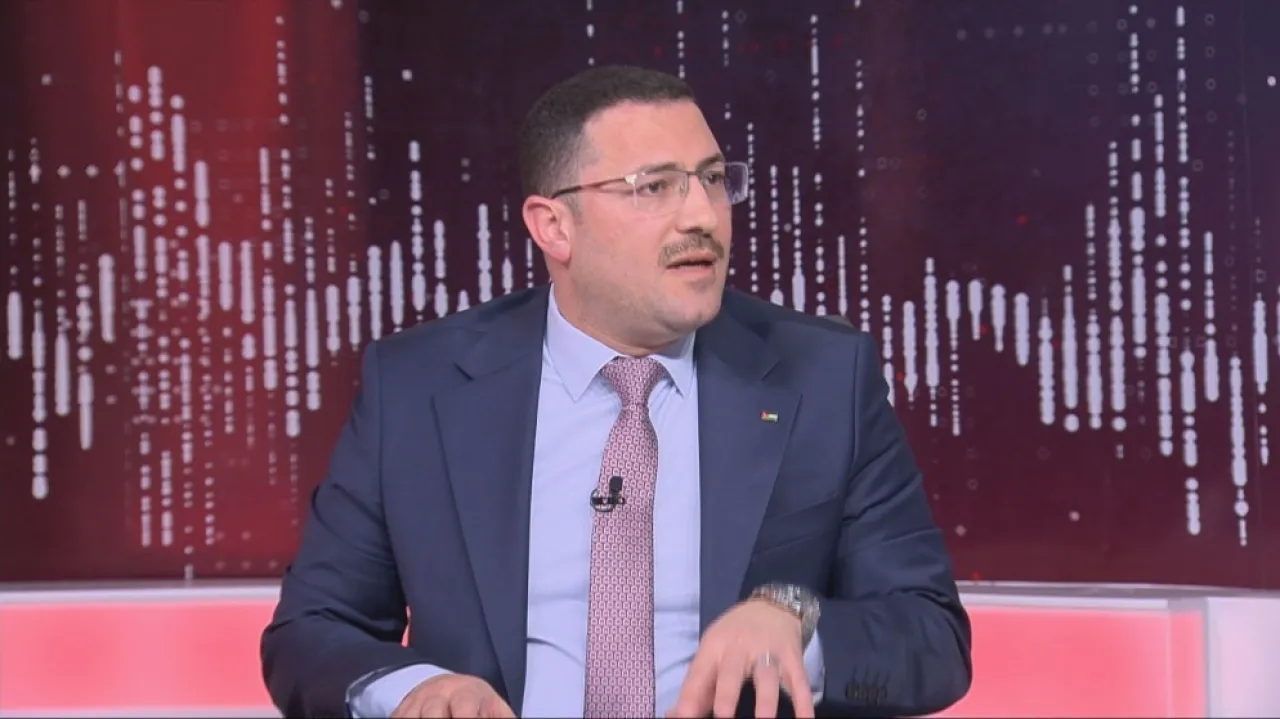
Khaberni - Fayez Al-Nahar, the head of the Public Service and Administration Authority, said that the proposed form to reduce the number of working days to four days comes in the context of the flexible work system, in line with technological developments, automation, and changing the service system.
Al-Nahar explained that the considered proposal aims to maintain the required working hours, which are 8 hours and 45 minutes, and can be distributed over four or five days, noting that the total of 35 hours per week is still required from the employee, according to the kingdom.
The head of the authority confirmed that reducing the number of working days constitutes the fourth form of the flexible work system, after introducing flexibility in working hours by advancing it one hour or delaying it one hour, flexibility in the workplace, and “remote work,” which proved its efficiency during the Coronavirus pandemic.
Al-Nahar said that the interest in transitioning to flexible workdays depends on diagnosing the level of readiness and the supporting infrastructure for such decisions.
He emphasized that any transition in the system will not affect the continuity of the services provided to the public.
He added that the diagnosis is based on studying all social dimensions, like mobility, synchronization, and the reality of services and their impact.
He continued explaining that the period of providing services and accomplishing tasks will remain available and will not be affected by the difference in the distribution of working days.
He reiterated his confirmation that the studied proposal requires increasing the working hours by one hour and 45 minutes.
Al-Nahar envisaged options that the government might adopt, including a gradual transition in the departments that are digitally most mature in terms of services.
He added that among the proposals are also the application of two types of flexible work patterns within the same department, namely remote work and flexible working hours.
He mentioned that some jobs might be granted the option of flexible work among the proposed models, such as administrative, intellectual jobs, and those working in research and other areas.
Al-Nahar stated that the reasons for opting to reduce the number of working days include increasing employee productivity, achieving a balance between their professional and personal lives, and reducing operational costs on both the government and the employee.
He explained that the idea of reducing the number of days has positive implications for employees, through giving them space to improve their capabilities or to pursue private projects that generate additional income.
In response to the broadcaster's question about the proposed holiday days, Al-Nahar answered that they have not yet been named, indicating that everything depends on the results of the diagnosis and the survey directed to employees regarding this matter.
Al-Nahar concluded by affirming that the decisive factor in making the decision is the continuity of providing services with existing efficiency and effectiveness, clarifying that any impact on this continuity will determine the fate of the decision in terms of its timing and implementation.
Meanwhile, digital transformation expert, Hamza Al-Akhalik, said that the idea of a 4-day workweek is innovative, wondering about the current suitability of implementing it.
He added that some innovative ideas, if come at the wrong time, may cost more or yield more negative results than positive ones.
Al-Akhalik also wondered about the digitization of all services before proceeding with this idea, pointing out that countries that have implemented it have achieved a 100% service digitization rate, and some time has elapsed since they experienced offering such services.
He mentioned that if the direction is towards increasing the number of vacation days, will it lead to increased productivity or have a negative impact? He also questioned whether it will contribute to achieving better economic growth, and how it will affect employees' social life.
Al-Akhalik pointed out that countries that have implemented this idea have achieved very high levels of productivity.