Khaberni - A researcher from South Africa has received a prestigious research grant to develop nanotechnologies targeting the treatment of one of the most deadly brain tumors.
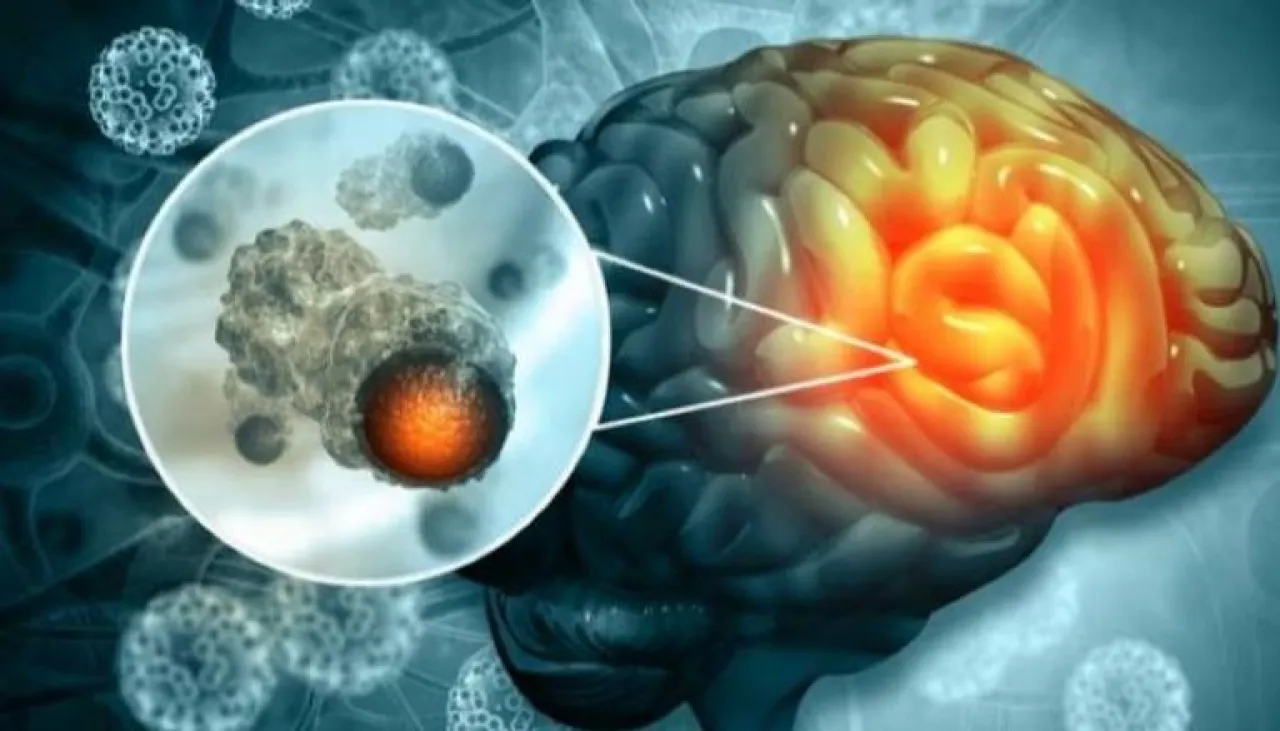
In a step reflecting the escalating global interest in innovating more precise treatments for brain tumors, researcher Michael Gomez, a PhD student at the Medical School of the University of Witwatersrand, has been awarded a prestigious research grant from the South African Medical Research Council to support his research in developing advanced nanodelivery systems for the treatment of glioblastoma, one of the most lethal and aggressive brain cancers.
Glioblastoma is one of the fastest growing and spreading brain tumors, as its cells infiltrate surrounding brain tissues, making complete surgical removal almost impossible, and often leading to tumor recurrence despite treatment.
Even with the best treatments currently available, which include surgery, radiation therapy, and chemotherapy, the average lifespan of patients after diagnosis does not exceed 12 to 18 months.
Increased Challenges in Africa
In South Africa and many other African countries, these challenges are exacerbated by delayed diagnosis, limited access to specialized neurosurgery services, and high costs of advanced treatments, making the need for new therapeutic solutions more urgent.
Overcoming the Blood-Brain Barrier
Gomez's research project, conducted within the Advanced Drug Delivery Platform at the University of Witwatersrand (Wits Advanced Drug Delivery Platform), focuses on one of the most complex problems in treating brain tumors: the blood-brain barrier, a defensive system that protects the brain but at the same time prevents many chemotherapeutic drugs from effectively reaching the tumor.
Gomez says: "One of the biggest challenges in treating brain tumors is delivering the drug to the right place. The blood-brain barrier prevents many chemotherapeutic drugs from reaching the tumor at the required dose."
Comparing 3 Nanotechnologies
The study compares three types of drug delivery systems based on nanoparticles: liposomes, which are tiny lipid vesicles already used in a number of modern treatments, biodegradable polymeric particles, which can be programmed to release the drug gradually or in response to the tumor environment, and polydopamine nanoparticles, the main research focus of Gomez, which have not yet been extensively explored in the treatment of brain tumors.
Polydopamine is inspired by dopamine, a molecule that naturally occurs in the brain, which provides it a biocompatibility that may make it a safer and more effective carrier for drugs within the nervous system.
Gomez adds: "Because polydopamine is derived from a molecule that the brain recognizes, we are studying whether it can deliver chemotherapy in a safer and more effective way for patients with brain tumors."
Exploring the Glymphatic System
One of the most innovative aspects of the project is studying the use of the glymphatic system, a recently discovered pathway responsible for distributing cerebrospinal fluid and cleansing the brain of waste.
Instead of relying on drug transport through blood and breaching the blood-brain barrier, the team is exploring the possibility of directly injecting nanoparticles into the cerebrospinal fluid to reach the tumor via this natural pathway, which might increase drug concentration within the tumor while reducing toxic effects on the rest of the body.