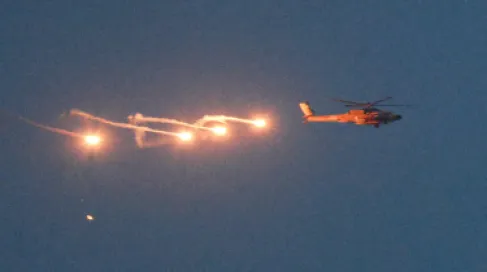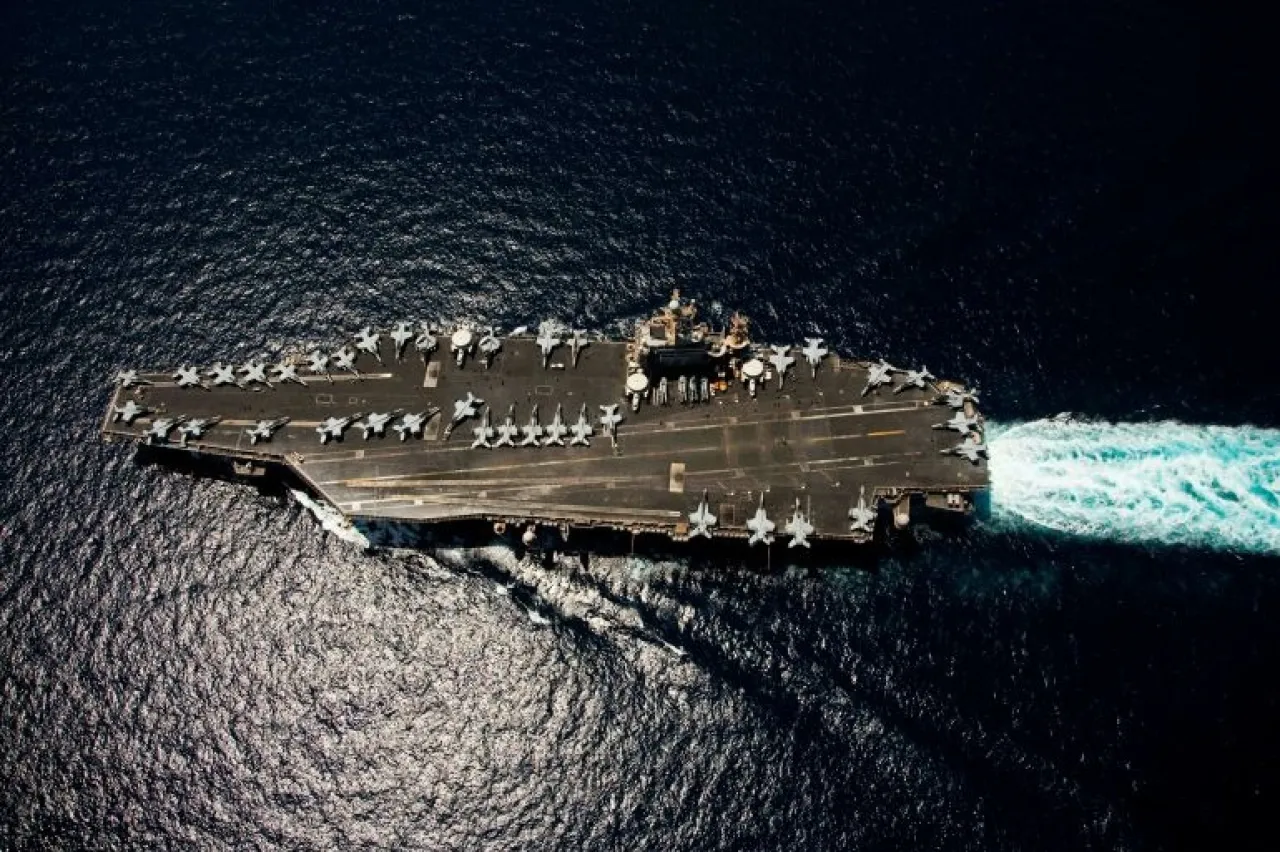
Khaberni - The Middle East is witnessing an unprecedented assembly of U.S. military equipment, with the deployment of two aircraft carriers and a massive number of ships and destroyers following escalating threats from Washington of launching a limited attack on Tehran if the nuclear file agreement falters.
Yesterday, Friday, the aircraft carrier "Gerald Ford" passed through the Strait of Gibraltar - which separates the Atlantic Ocean from the Mediterranean Sea - heading towards the Middle East accompanied by three destroyers. The number of American ships in the region is expected to reach 17 upon their arrival.
The "Gerald Ford" is a next-generation nuclear aircraft carrier, considered the largest in the world and in the U.S. Navy, designed to be a comprehensive maritime aerial attack platform, approximately 337 meters long, and capable of accommodating more than 5600 crew members.
The carrier features modern technologies for quick aircraft takeoff and landing, and an air wing consisting of dozens of fighters and helicopters, in addition to advanced missile systems and air defense.
Largest Military Deployment
This aircraft carrier will join its counterpart "Abraham Lincoln", which is a nuclear aircraft carrier used to transport and operate fighter and helicopter aircraft, and support wide-scale naval and aerial military operations.
The aircraft aboard these carriers include a variety of fighter jets, such as "F-35", "F-22", "F-15", and "F-16", as well as "KC-135" air-to-air refueling aircraft to support long-range operations.
Analysts believe that there has never been a time when two warships of this size were accompanied by a large number of destroyers in the region at the same time, considering that the outbreak of conflict has become more likely than reaching a settlement amidst Washington's military mobilization in the region, marking one of the largest U.S. military deployments since the invasion of Iraq in 2003.
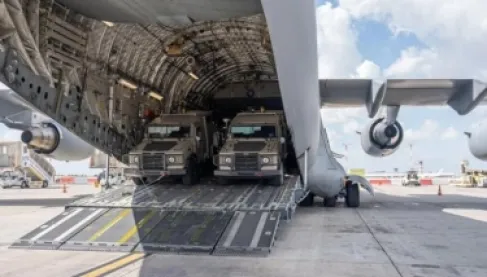
Washington has also strengthened its ground air defenses in the Middle East. American bases cover several areas in the Gulf region, where additional military equipment is stationed including warplanes, helicopters, and logistical support for naval and air forces. Satellite images have noted a significant increase in the number of warplanes at bases in the region.
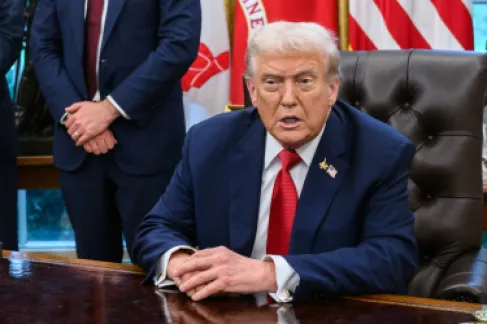
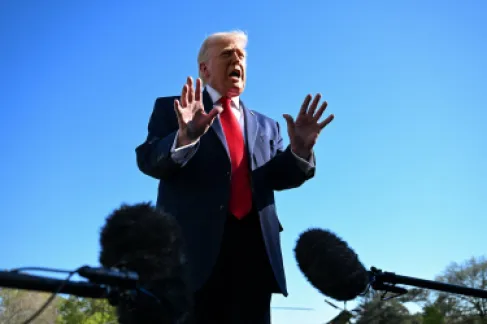
The U.S. military buildup coincides with President Trump's threats to carry out limited strikes on Iran if nuclear negotiations do not reach an agreement, setting a deadline ranging from 10 to 15 days for making the decision or "something very bad happening."
President Donald Trump said last Thursday that the world will most likely know within the next ten days whether the United States will reach an agreement with Iran or will take military action.
Stagnating Negotiations
This military mobilization comes alongside the starting of indirect negotiations between Washington and Tehran in Geneva, Switzerland, without achieving an agreement to end this tension.
The primary American demand remains the cessation of uranium enrichment on Iranian territory. For its part, Iran says it should retain its nuclear capabilities and refuses to discuss its ballistic missiles, denying any plans to build a nuclear weapons arsenal.
Alan Eyre, a former U.S. diplomat and expert on Iranian affairs for Reuters said, "Each side is adhering to its stance", adding that no real solution can be reached "unless the United States and Iran back down from their red lines, and I don't think they will."
He added, "What Trump cannot do is rally all this military power, then return with a modest agreement and withdraw those forces. I think he fears losing his prestige. However, if he decides to attack, things will quickly escalate."
If an American attack on Tehran occurs, it will be the second time the United States has attacked Iran in less than a year, following American and Israeli airstrikes on military and nuclear facilities about 8 months ago.
In June 2025, Iran was subjected to a sudden aerial attack by Israel, followed by an Iranian response on Tel Aviv in what is known as the "Twelve Day War", then Washington carried out airstrikes on three Iranian nuclear sites, followed by Iranian missile attacks on the Al Udeid Base in Qatar.